
A stalled campaign promise is suddenly back on the table, and an unlikely Senate ally wants to help push it through.
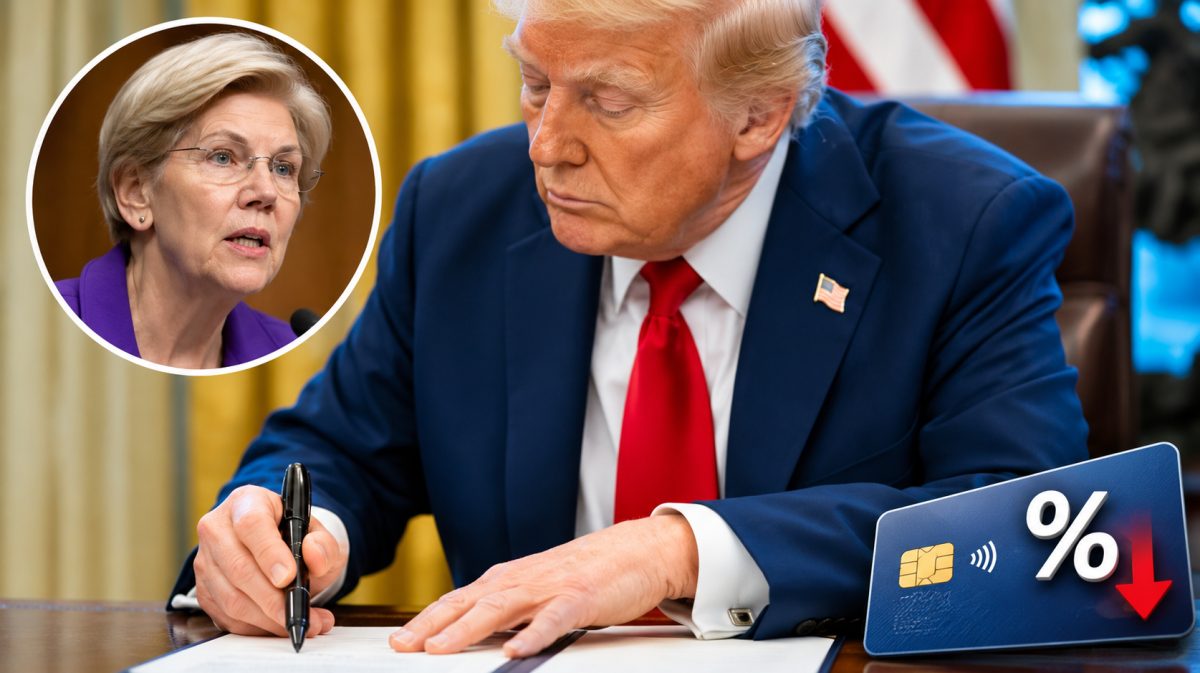
President Donald Trump said Saturday, November 21, 2026, that he would work with the incoming Democratic Congress to cap credit card interest rates at 10%, reviving a 2024 campaign pledge that went nowhere while Republicans controlled Capitol Hill. He made the comments during a phone interview with Fox News Channel's Saturday in America.
Trump Meme Coin Dinner Hits Snag as Only 130 Wallets Fill 185 Seats
Trump Credit Card Interest Rate Cap Plan Resurfaces on Fox News
Speaking by phone, Trump told host Pete Hegseth's old program slot that he was ready to act on the idea. "I would do it," Trump said, adding that credit card companies "have made a lot." His words landed just days after Senate Democrats signaled they already had legislation written and waiting.
This isn't a new idea for Trump. He first floated the 10% cap during his 2024 campaign, then brought it up again in January 2026, writing on Truth Social that he would set a 10% limit for one year, with legal consequences for lenders who refused to comply. That earlier version never became law. CBS and the Associated Press reported that industry pushback and weak interest from Trump's own party in Congress kept the plan from moving forward.
Trump Commerce Closes Nvidia Chip Loophole Tied to Spy Scandal in China
Elizabeth Warren Offers Trump a Ready-Made Bill
The renewed push traces back to Senator Elizabeth Warren of Massachusetts, who is expected to lead the Senate Banking Committee once Democrats take control of Congress in January 2027. On November 8, during an appearance on CBS News' Face the Nation, Warren said she was prepared to move fast. "President Trump himself said that he wants to reduce interest rates on credit cards to 10%," she said, before adding, "I got the bill. I'm ready to go."
After Trump's Saturday remarks, Warren responded publicly, writing, "Let's cap credit card interest rates and save Americans money." The exchange highlights a rare moment where Trump and one of his sharpest Democratic critics appear to agree on the same policy goal, even if the legal details still need to be worked out. Trump has talked about a temporary one-year cap, while Warren wants the limit written permanently into federal law.
How a 10 Percent Cap Would Compare to Today's Rates
The gap between the proposed cap and current reality is huge. A Federal Reserve Bank of New York survey from August found the median credit card interest rate sitting around 22.2%. That means a 10% cap would cut borrowing costs by roughly 12 percentage points for a typical cardholder carrying a balance.
For households struggling with debt, that kind of cut could mean real monthly savings. But the size of the gap is exactly why banks and card issuers are fighting the idea so hard. Fox LA reported that banks and credit card companies have opposed the plan "immediately and aggressively," warning that capping rates that sharply would force them to pull back lending across the board.
Banks Warn of Shrinking Credit Access
Industry groups argue that interest rates aren't just profit padding. They say the money covers losses from defaults, fraud protection, customer service costs, and the risk of lending to people with shakier credit histories. Cut the rate too low, they argue, and lenders will simply stop offering cards to riskier borrowers.
The Electronic Payments Coalition, a group representing card issuers, estimated that somewhere between 82% and 88% of existing card accounts could lose meaningful access, either through account closures or sharply reduced credit limits, if a 10% cap became law. A separate industry-backed coalition warned the policy would "reduce credit availability and be devastating for millions of American families and small business owners," and cautioned that consumers pushed out of the regulated card market might turn to "less regulated, more costly alternatives."
Other analysis cited in CBS and AP coverage suggested the credit card industry would take a serious financial hit under a 10% cap but could likely remain profitable overall. The more immediate effect, according to that reporting, would probably show up in rewards programs, with cashback, travel points, and other perks getting trimmed or eliminated as issuers look for ways to offset lost interest income.
What Comes Next for the Credit Card Rate Fight
Nothing is locked in yet. No formal negotiations, draft legislation, congressional hearing, or start date has been publicly announced. The next real test comes in January 2027, when Democrats are expected to take over Congress and Warren is positioned to chair the Senate Banking Committee, giving her a direct path to schedule hearings and push her bill forward.
Even then, lawmakers will need to settle basic questions before anything becomes law. Will the cap cover annual fees, penalty rates, balance transfer charges, and cash advance fees, or just the headline interest rate? Will it last one year, as Trump has suggested, or become permanent, as Warren wants? Those details will shape whether banks close accounts, shrink credit limits, or find other ways to adjust.
For now, Trump's comments mark a shift in tone rather than a finished deal. He and Warren are publicly aligned on the goal, but turning that alignment into a bill that survives both chambers of Congress and intense lobbying from the banking industry is a separate challenge entirely, one that stalled once already and could easily stall again.