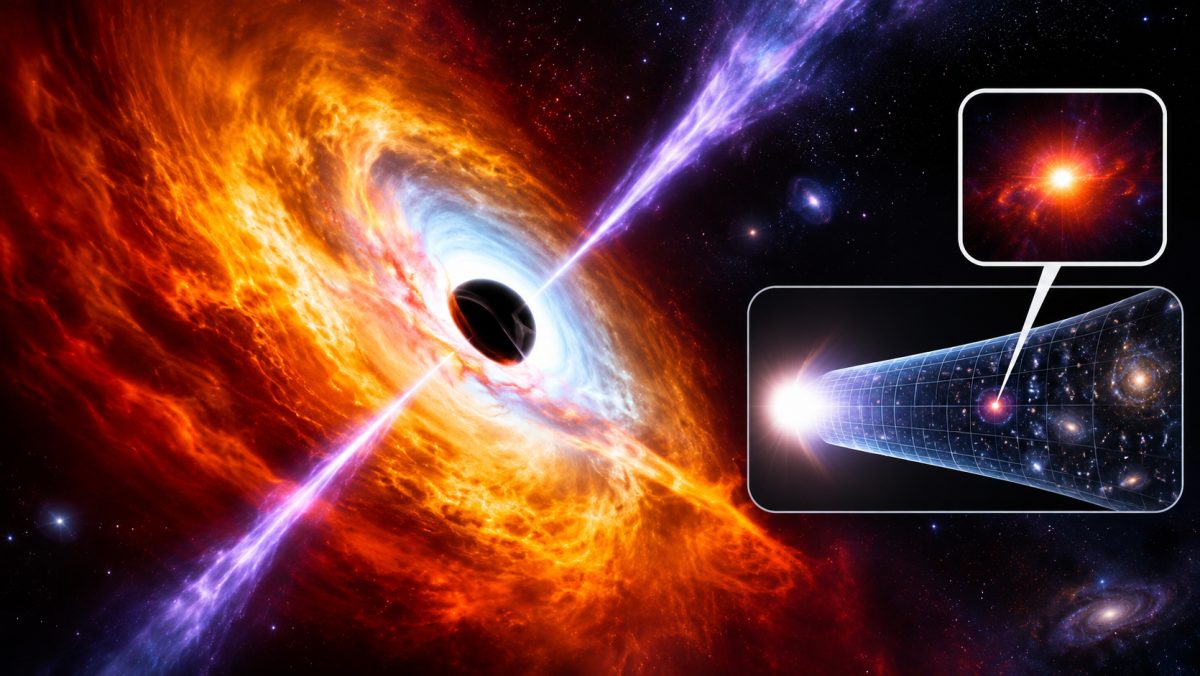

A rare cosmic coincidence let astronomers catch a star blowing up almost in real time, and it might answer a decades-old puzzle.
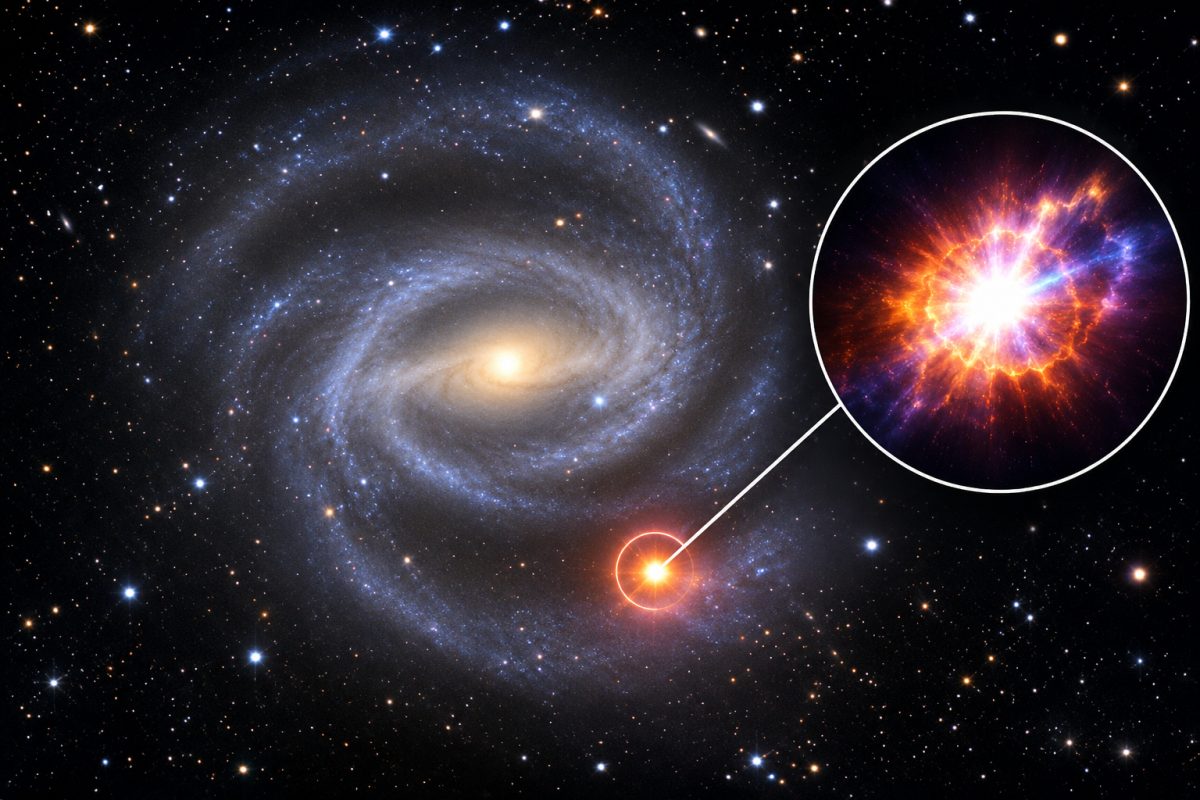
Astronomers discovered a nearby exploding star called SN 2026ahvu on November 2, 2026, and quickly realized it was something special. The explosion was caught before it reached peak brightness, sits roughly 50 million light-years away or closer, and was classified within about a day as a Type Ia supernova, giving scientists a rare early window into how these blasts actually happen.
Mercury Visibility November 2026: Why This Pre-Dawn Window Is Worth Waking Up For
A routine discovery that turned into something rare
When astronomers first noticed SN 2026ahvu, it looked like just another entry on a long list. Surveys spot dozens of supernovas every single day, and most never get a second glance beyond basic cataloging. But this one stood out fast, because researchers realized they had caught it before it hit maximum brightness. That almost never happens. Most supernovas get discovered after they are already blazing at full strength, so scientists miss the earliest clues about what triggered the blast in the first place.
Within roughly a day of the November 2 discovery, follow-up observations confirmed SN 2026ahvu as a Type Ia supernova. That label matters a lot in astronomy. Type Ia explosions burn with a predictable intrinsic brightness, which lets scientists use them as cosmic measuring sticks to calculate distances across the universe and track how fast everything is expanding. Finding one this close and this early is like getting a backstage pass to an event astronomers usually only see from the cheap seats.
Nighthawk Bison Jump in Texas Reveals 3,000 Years of Cliff Hunts
Why the distance of SN 2026ahvu matters so much
Distance is the detail that turned a normal supernova into a scientific prize. SN 2026ahvu sits at an estimated 50 million light-years or less from Earth, placing it among a small group of Type Ia supernovas close enough for detailed study across multiple types of telescopes. Astronomer Yvette Cendes of the University of Oregon in Eugene has been organizing radio telescope observations of the blast, hoping to catch signals that reveal what the dying star left behind in the space around it.
Cendes explained why this kind of proximity is so valuable for research. "They happen so rarely at this distance that it could hopefully help us figure out why this white dwarf exploded in the first place," she said. That quote captures the core reason researchers dropped everything to study SN 2026ahvu quickly, since its light and radio signals change fast and early data cannot be recreated once the moment passes.
The long-running mystery behind white dwarf explosions
Type Ia supernovas come from the destruction of a white dwarf, the dense leftover core of a star once similar in size to the sun. A white dwarf normally stays stable, held up by the pressure of packed electrons inside it. Trouble starts if the white dwarf gains extra mass, pushing it toward roughly 1.44 times the mass of the sun, a threshold known as the Chandrasekhar limit. Cross that line, and runaway nuclear fusion can rip the entire star apart in a thermonuclear explosion.
The catch is that a white dwarf cannot reach that mass alone. It needs a partner. Scientists have debated for years whether the extra mass comes from a normal companion star feeding material onto the white dwarf, or from two white dwarfs orbiting each other until they merge or collide violently. Sarbadhicary, whose team submitted preliminary findings to arXiv on November 6, described the stakes simply: "These explosions have been enduring mysteries for us for decades, and whenever something happens this close, it's just really exciting."
A surprisingly young progenitor adds a new twist
The preliminary analysis submitted on November 6 included a detail that caught researchers' attention right away. The team's early estimate suggested the white dwarf that exploded may have been less than 100 million years old, which counts as young compared to many other known Type Ia progenitors. If that estimate holds up under further scrutiny, it could reshape how quickly scientists think a white dwarf system needs to evolve before it detonates.
That timeline detail is still preliminary, and researchers will need independent analysis to confirm it. But combined with the early brightness data and the close distance, it gives scientists multiple angles to test existing models of Type Ia formation. Rather than relying on one single clue, they now have a rare chance to cross-check several pieces of evidence from the same event.
What scientists are watching for next
Observers plan to keep tracking SN 2026ahvu as its brightness shifts and its debris spreads outward. Radio observations, the kind Cendes has been coordinating, are especially useful because they can expose how the blast wave slams into material that surrounded the star before it exploded. That interaction can hint strongly at whether a companion star or a second white dwarf was involved.
Researchers will also compare the preliminary findings against established explosion models, looking for signs that favor one formation pathway over another. Because SN 2026ahvu was caught early and sits so close to Earth, it is likely to stay a major research target for a long stretch of time, with optical, infrared and radio instruments all adding pieces to the puzzle in the months ahead.