
Trump just rolled out a fresh batch of tariffs right after his party took a beating at the ballot box.
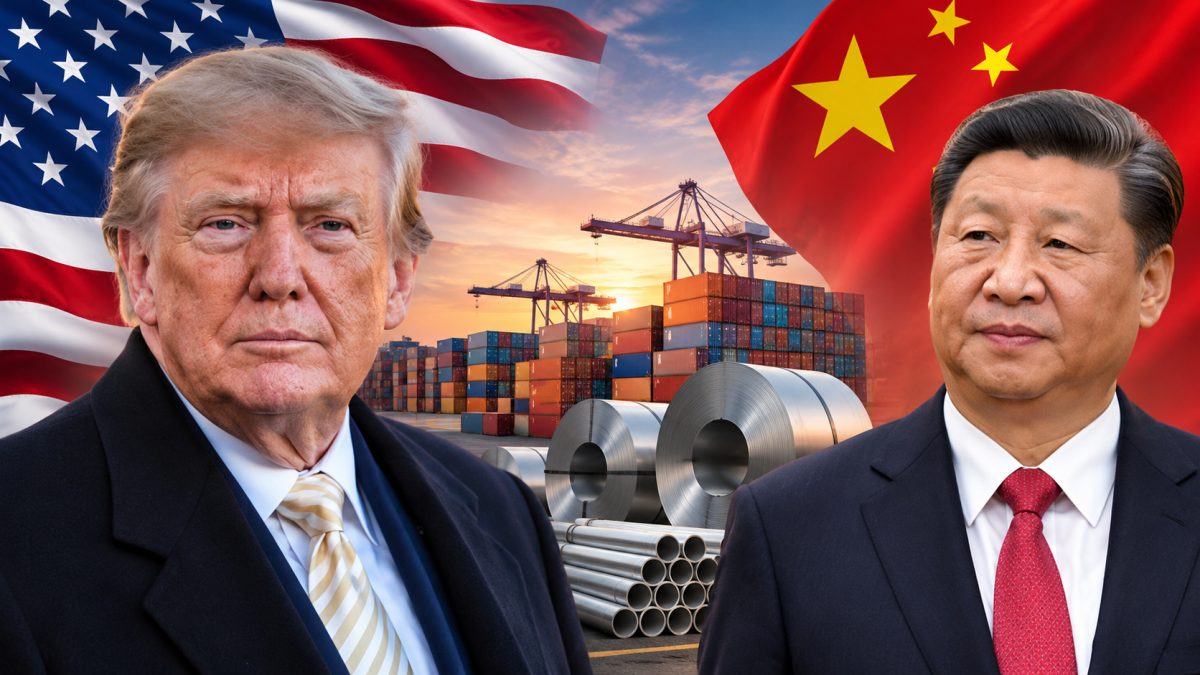
President Donald Trump's administration proposed new tariffs on 14 major trading partners on Wednesday, November 25, 2026, blaming what it calls structural excess industrial capacity for hurting American businesses. The list includes China, the European Union, Japan, India, South Korea, Vietnam, Taiwan, Thailand, Malaysia, Indonesia, Switzerland, Singapore, Bangladesh and Cambodia.
Jensen Huang China Nvidia Chip Exports: How He Won, Then Lost His Grip
Trump New Tariffs Target Factory Overcapacity Worldwide
The Office of the U.S. Trade Representative says these 14 economies are running policies that create or keep alive too much factory output, more than their own countries need. That extra production, the administration argues, gets dumped into world markets at cheap prices, squeezing out American manufacturers who can't compete with the lower costs.
The proposed headline rates stretch from 20% all the way to 40%. But real-world numbers will look different for many countries once existing trade deals and prior agreements are factored in. China draws the harshest treatment by far. Under the main Section 301 investigation, Chinese goods face a capped rate of 20%, stacked on top of roughly 25% in duties left over from Trump's first term.
Japan, South Korea, the European Union and Switzerland are looking at a 15% rate that already folds in their existing most-favored-nation duties. Cambodia, Indonesia, Malaysia, Thailand and Bangladesh face a cap of 18%, while Singapore gets the lightest treatment at 10%. Separate reporting pegs Vietnam's proposed rate as high as 35%, among the steepest on the list.
Trump Credit Card Interest Rate Cap Plan Gets New Life With Warren's Help
Why Washington Says Excess Industrial Capacity Is the Real Problem
This whole push traces back to Section 301 of the Trade Act of 1974, a law that lets Washington hit back against foreign practices it sees as unfair or damaging to U.S. commerce. The administration opened investigations into 16 economies back on March 11, 2026, digging into whether government policies were fueling a worldwide glut of manufactured goods.
Steel, aluminum, electric vehicles, appliances and solar products sit at the center of the complaint. Washington's argument is simple: when governments subsidize factories that produce more than anyone needs, the extra goods flood global markets, crash prices, and make it nearly impossible for U.S. companies to stay competitive in those same industries.
Mexico and Norway were part of the original 16-country probe but got left off Wednesday's proposal because USTR hadn't finished its findings on them yet. A separate action also proposed a 10% tariff on finished commercial aircraft coming in from Brazil's Embraer, showing the administration is willing to go after specific products outside the main 14-country list too.
Midterm Losses Haven't Slowed Trump's Tariff Plans
What makes this moment stand out is the timing. Trump's Republican Party just suffered major losses in the U.S. midterm elections, and tariffs were a huge part of why. Voters blamed rising prices partly on the trade war, and that anger helped fuel Democratic wins across the country.
A Reuters/Ipsos poll taken after those midterm losses found that 62% of people supported Democratic efforts to repeal the tariffs. That's a striking number for any administration to ignore, yet Trump pushed forward anyway instead of backing off. It signals he's betting that protecting American manufacturing matters more politically than the backlash over higher consumer prices.
The decision also lands during a shaky moment for markets. Reports describe fresh anxiety among investors tied to tariff fears, inflation worries and a tech stock sell-off that included a drop in Nvidia shares. While it's hard to draw a direct line between the tariff news and any single stock move, the timing adds another layer of uncertainty for Wall Street heading into the new year.
What Comes Next for Businesses and Trading Partners
Nothing here is final yet. These are proposals, not tariffs that kick in tomorrow. The USTR process still has to run its course, which means formal publication, a public comment period, and final decisions before any new duty actually hits a shipment at the border.
That leaves plenty of room for change. Rates could shift, countries could get dropped or added, and foreign governments might try to negotiate their way to lower numbers before anything becomes permanent. China, the EU, Japan and other targeted economies are likely to push back hard, either through diplomatic channels or by threatening retaliation of their own.
For now, exporters and manufacturers across 14 economies are left watching and waiting. Companies with thin profit margins or heavy reliance on the U.S. market face the most risk, while American producers competing against cheap imports could finally catch a break. How Congress responds, especially with Democrats pushing for repeal, will shape whether these tariffs survive in their current form or get watered down before they ever take effect.