
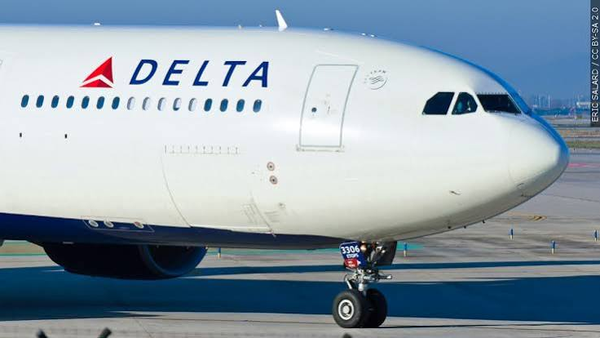

A computer glitch at Delta's biggest hub turned a busy Thanksgiving Sunday into a scramble of delayed planes and frustrated travelers.
Delta flight delays spread across Atlanta and the rest of the country on Sunday, Nov. 22, 2026, after an automated system used to calculate aircraft weight and balance broke down at Hartsfield-Jackson Atlanta International Airport, Delta's largest hub, eventually leading to more than 1,600 reported delays nationwide during the Thanksgiving travel rush.
Nifty 26,200 Target In Sight: Why This Rally Has Traders Watching Closely
How the Delta flight delays in Atlanta unfolded
Delta first flagged the problem early Sunday morning. The automation system that calculates weight and balance for departing planes stopped working the way it should. That system matters more than most passengers realize. Pilots and dispatchers use it to figure out how to spread out passengers, bags, cargo, and fuel so a plane can take off safely. When it goes down, crews cannot just skip the step. They have to do the math by hand.
Delta confirmed it shifted to backup methods while technicians worked to fix the system. "Delta teams are using manual workarounds this morning to safely get flights departed while work continues to restore automation," the airline said. Delta also thanked customers for sticking it out and praised its own employees for pushing through the chaos.
The slowdown hit hardest in Atlanta. By around 1:30 p.m. Eastern time, nearly 45% of Delta's departures out of Atlanta were running late. Flight-tracking numbers bounced around all day. FlightAware showed more than 700 delayed Delta flights at Atlanta at one point, while another count put the number above 400. Those shifting figures reflect how fast things changed as new delays piled up and old ones cleared.
Jim Cramer Fed 25 Basis Points Call: Why Oil Changes Everything Now
FAA ground stop added to the Thanksgiving travel chaos
Because Atlanta works as Delta's main connecting hub, the delays did not stay local. Planes and crews scheduled to fly in and out of Atlanta were tied up elsewhere, and that ripple effect pushed problems onto flights across the Delta network, even ones that had nothing to do with the broken system.
The Federal Aviation Administration stepped in to manage the mess. It first ordered a ground stop for flights headed to Atlanta, meaning those planes could not take off at all. Later Sunday morning, the FAA eased that into a ground delay program instead, which let flights leave but held them back for roughly an hour on average. One FAA update put the average hold time at 57 minutes, with the delay program expected to run until at least 12:59 p.m. Eastern time.
Both the ground stop and the wider delay order were lifted before noon, but the backlog did not disappear with them. Planes were still out of position, crews were still running behind schedule, and passengers were still stuck waiting at gates well into the afternoon.
Delta delay numbers kept climbing through the day
Counting exactly how many flights were affected turned out to be tricky, and the numbers moved as the day went on. Midday reports from FlightAware showed hundreds of delays building up at Atlanta. By the afternoon, PBS reported about 1,000 Delta flights delayed nationwide, with one tracking snapshot showing 67% of all Delta flights running behind schedule.
Later Sunday, the count climbed higher. ABC News reported more than 1,300 delayed Delta flights nationwide in one update, and other reporting put the total above 1,600 by the end of the day. The gap between those numbers likely comes down to timing. Delays kept adding up throughout the day, and different news outlets pulled their numbers from different moments using different tracking tools.
CNN pointed out an important wrinkle in all this data. Airport-wide flight-tracking numbers at Atlanta do not only count Delta flights, so some of the headline totals mixed in delays from other airlines using the same airport. That matters for anyone trying to get an exact picture of how bad Delta's own outage really was.
Delta says system is back, but not every delay was the outage's fault
By later Sunday, Delta said the automation system was working again. That announcement did not mean the delays vanished right away. Planes and flight crews were still scattered in the wrong cities, and it takes hours to untangle a schedule once it falls apart during one of the busiest travel weekends of the year.
Delta also clarified that the outage was not behind every delay reported that day. The airline said roughly 70% of its delays traced back to the automation problem, while the rest were caused by weather and related air traffic control slowdowns affecting New York City and the Northeast. That breakdown helps explain why total delay counts stayed high even after Delta said its system was fixed.
For travelers, the day meant missed connections, long waits, and a lot of uncertainty right as Thanksgiving travel hit its peak. Nothing in the available reporting points to a safety problem with the planes themselves. This was a scheduling and processing breakdown, not a question of whether it was safe to fly. Still, for families trying to get somewhere for the holiday, that distinction probably mattered less than simply getting off the ground.