
A years-long fight over who gets to sell America's best AI chips just took a dramatic turn in Washington.
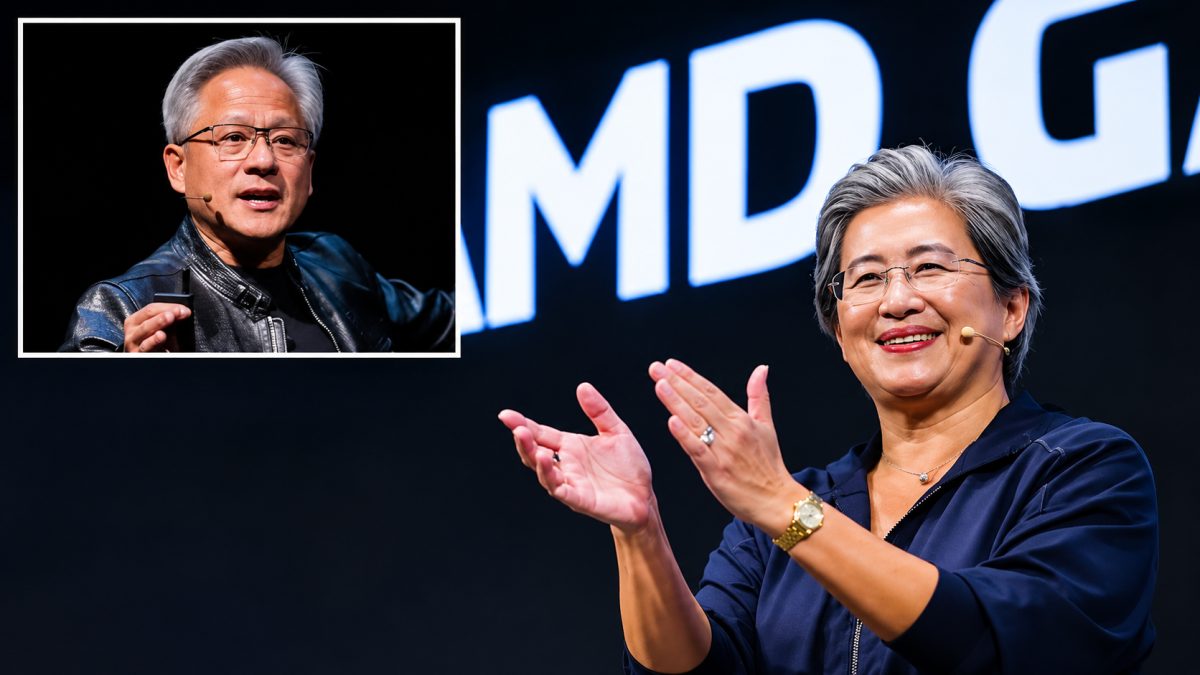
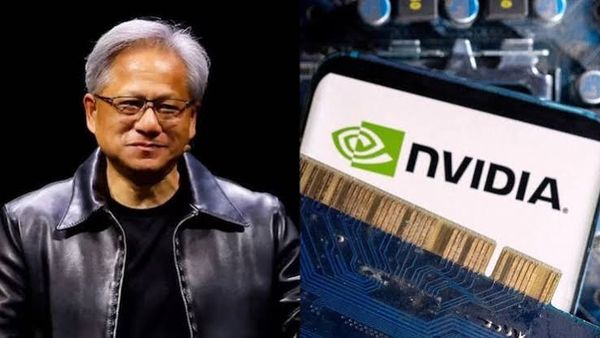
Jensen Huang spent years pushing Washington to let Nvidia sell its artificial intelligence chips in China, and by late 2025 he had won a real victory. The Trump administration agreed to let Nvidia export its H200 chips to Chinese buyers, even while blocking the company's most advanced processors, according to a Washington Post investigation published November 23, 2026.
Nvidia Colette Kress AI Financing Shift: Why $118 Billion in Guarantees Now Faces Tougher Rules
Jensen Huang China Nvidia Chip Exports Fight Takes Years to Pay Off
Huang and his team of lobbyists did not win this fight overnight. For years, they argued that American companies needed a foothold in China's massive market. Huang's pitch was simple. If the United States shut Nvidia out of China completely, Chinese chipmakers would just build their own alternatives faster, and American firms would lose influence, revenue and insight into what Chinese AI labs were actually doing.
That argument eventually reached President Trump directly. Huang built an unusually close, public relationship with the president, and he kept pressing his case even as national security officials pushed back. He told reporters he intended to keep making that argument, saying American tech companies needed to "lead and win the AI race." The payoff came when Trump authorized H200 exports to China in late 2025, while keeping a firm line against Nvidia's newest, most powerful chips.
Nvidia Stock Rout Retail Buyers Rushed In After Jensen Huang Quit as CEO
Washington Approves Chips, But Beijing Slows the Deals
The policy sounded like a clear win for Nvidia, but the real-world results were messy. By May 2026, the Commerce Department's enforcement arm had approved licenses covering more than 879,000 AI chips, including H200s, for Chinese companies like Alibaba, Tencent and ByteDance, according to documents released by the House Foreign Affairs Committee.
Yet those licenses didn't translate into big shipments. Analysts say Chinese regulators never approved large-scale imports, which kept actual sales limited. Nvidia spokesperson John Rizzo confirmed the company had pulled back entirely, saying, "Despite receiving some licenses, we have since stopped shipping H200s to China." Treasury Secretary Scott Bessent later summed up where the line stood, telling reporters, "H200s are the threshold level of chips that could be sold to the Chinese, and, you know, that continues as planned."
A Singapore Company and a Scandal Change Everything
The fragile compromise started cracking when U.S. officials zeroed in on Megaspeed International, a Singapore-based cloud computing firm that rented out access to advanced Nvidia chips. Investigators worried Chinese firms were using Megaspeed's data centers as a backdoor, getting indirect access to American chips they couldn't legally buy outright.
On November 16, 2026, the Trump administration answered with new rules aimed squarely at that loophole, restricting remote access to advanced U.S. computing chips and servers. The goal was to stop Chinese companies from training their best AI models by simply renting foreign-based computing power instead of buying hardware directly.
Days earlier, on November 12, Huang had resigned as Nvidia's CEO. Reports tied his exit to scrutiny over personal relationships involving an executive connected to Megaspeed, along with allegations that the company may have helped divert Nvidia chips into China in violation of export rules. The Washington Post described the fallout as a "shadow war" inside Washington, reporting that Secretary of State Marco Rubio's intervention helped weaken one of the capital's most influential corporate voices on China policy.
Officials Trade Pointed Statements as Scrutiny Grows
The political temperature kept rising through November. Treasury Secretary Bessent said he wanted answers from Nvidia about whether the company had used shell companies to dodge restrictions and sell its most powerful chips to China, a question he raised just three days after Huang's resignation. He later told CNBC that no additional restrictions on older Nvidia chips were necessary once the administration locked down remote access to newer systems.
Even Trump weighed in personally. He said he discussed Huang with Chinese leader Xi Jinping during talks tied to his trip to Asia, and that Xi had called Huang a "brilliant man." The comment underscored just how far Huang's name had traveled into the geopolitics surrounding this fight, even after he left the company he built.
Congressional investigators added fuel by publicly releasing the license numbers, putting a hard figure, 879,000 chips, on a policy debate that had mostly played out in vague terms before. That number forced lawmakers and the public to confront exactly how permissive the licensing system had become, regardless of whether China ever approved the imports.
What the H200 Compromise Means Going Forward
Right now, the H200 remains the ceiling for what China can legally buy from Nvidia, but nothing about that is locked in stone. Washington could tighten licensing further, and Beijing could keep slow-walking approvals the way it reportedly has throughout 2026. Either government holds the power to freeze the arrangement entirely.
Enforcement is also shifting. Instead of just watching physical chip shipments, officials are now focused on cloud providers, data centers and overseas intermediaries like Megaspeed that could offer indirect access to banned technology. Treasury officials are still pressing Nvidia for details about potential diversion schemes, and those answers could reshape the rules again.
The bigger question Huang spent years trying to answer for Washington is still unresolved. Does letting Nvidia sell controlled chips to China protect American technological leadership, or does it hand Beijing exactly the computing power U.S. policy was designed to keep out of reach? Huang won his compromise. Whether it survives the scandal that followed him out the door is still an open fight.