
Domestic mutual funds and insurers quietly became the biggest owners of India's top banks and telecom giants this quarter.
HDFC Bank became the stock with the highest DII holding in September 2026, with domestic institutional investors holding shares worth ₹4,13,340 crore as of September 30, 2026, according to data published by the Economic Times on November 24, 2026. The ranking comes as overall DII ownership of NSE-listed companies climbed to a record 19.31%.
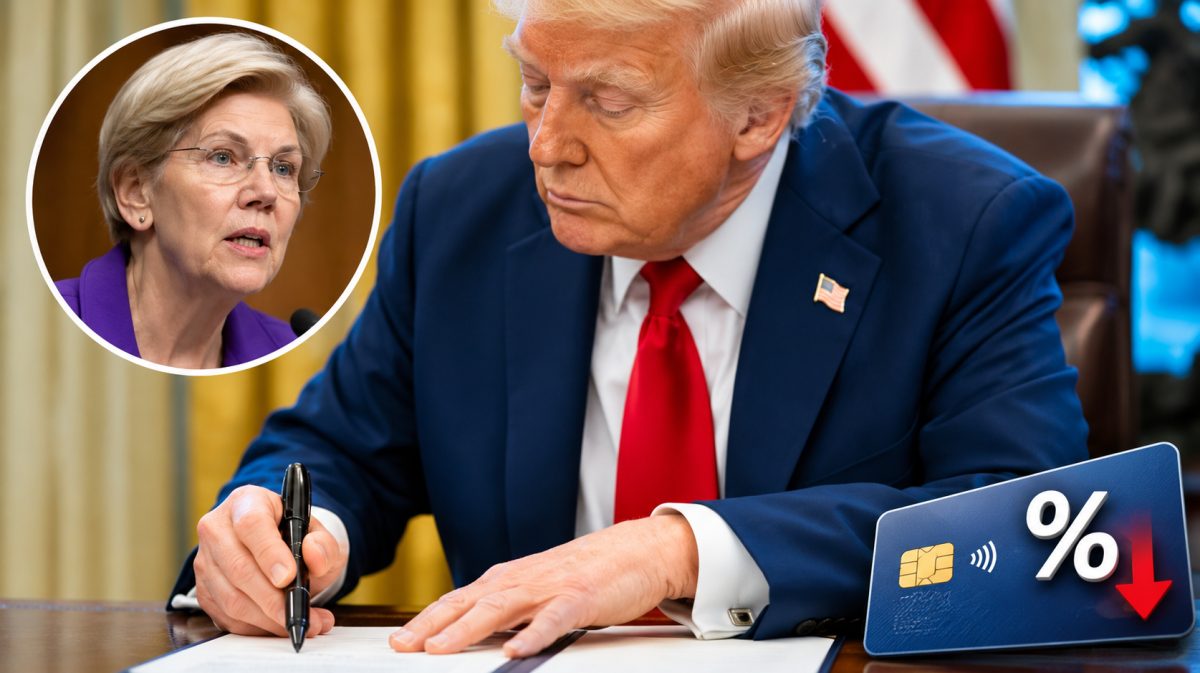
Trump Credit Card Interest Rate Cap Plan Gets New Life With Warren's Help
HDFC Bank and Reliance Lead the Highest DII Holding Stocks List
View this post on Instagram
The Economic Times slideshow placed HDFC Bank at the very top of the highest DII holding stocks for September 2026, a position it earned purely on the rupee value of shares domestic institutions held in the bank. That figure, ₹4,13,340 crore, made it the single largest DII bet among all NSE-listed companies at the close of the quarter.
ICICI Bank followed close behind in second place, with DII holdings valued at ₹3,98,477 crore. Reliance Industries, India's largest conglomerate by market value, came in third with domestic institutional holdings worth ₹3,44,678 crore. Bharti Airtel took fourth spot at ₹2,38,345 crore, while Infosys appeared further down the list in ninth place with holdings worth ₹1,58,365 crore. These five names anchor the published ranking, spanning banking, energy, telecom and technology, the four sectors that typically draw the heaviest mutual fund and insurance money in India.
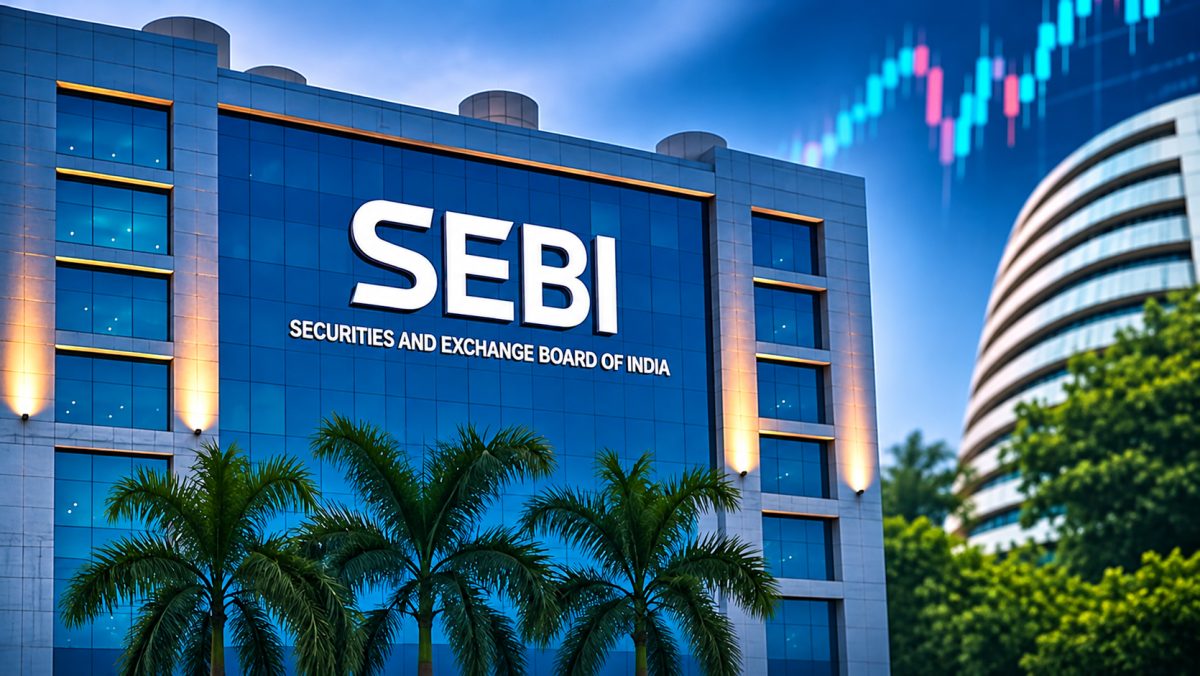
SEBI Tenure Limit for Exchanges Could End Long Reigns at Top Market Jobs
Record 19.31% Ownership Marks a Turning Point for Domestic Capital
Beyond the individual stock rankings, the bigger story is how much ground domestic institutions have gained across the entire market. DII ownership of NSE-listed companies rose from 19.16% on June 30, 2026, to an all-time high of 19.31% on September 30, 2026, a jump of 15 basis points in just three months. That might sound small, but across thousands of listed companies, it represents a meaningful shift in who actually owns corporate India.
The number was backed by hard cash. Domestic institutional investors pumped in roughly ₹1.69 lakh crore of net investment during the July to September quarter. Market reports tied this surge directly to rising mutual fund ownership, suggesting that regular retail investors pouring money into SIPs and mutual fund schemes were the real force behind the record.
Foreign Investors Retreat While Promoters Step Up
This DII record did not happen in isolation. Around the same time, foreign institutional investors saw their share of Indian listed companies fall to a 14-year low in September 2026. Promoters, meanwhile, pushed their own holdings to a three-year high of 41.93% during the same quarter. Put together, these three trends paint a clear picture of a market where domestic money and company insiders are gaining ground just as overseas funds pull back.
Separate analysis found 21 companies where promoters, foreign investors and domestic institutions all increased their stakes at the same time during the quarter. Names mentioned in that group included Cupid, Thangamayil Jewellery, Gallantt Ispat, CCL Products, Sudarshan Chemical Industries and GMR Power & Urban Infra. That overlap is a separate finding from the top-10 DII holding value ranking, but it reinforces the same broader theme of domestic confidence building across a wider range of companies, not just the largest blue-chip names.
Why the Rankings Matter for Everyday Investors
It helps to understand what this ranking actually measures. The Economic Times list ranks companies by the total rupee value of shares domestic institutions hold, not by what percentage of the company they own. That is why a giant like HDFC Bank can top the list even if DIIs only own a modest slice of its total shares. Because the bank itself is so massive, even a modest percentage translates into a huge rupee figure.
This distinction matters for anyone trying to read too much into the list. A smaller company where DIIs own a much higher percentage might not even appear in this top 10, simply because its overall market value is smaller. Investors should treat this ranking as a signal of where big domestic money is concentrated in absolute terms, rather than a measure of institutional conviction in percentage terms.
What to Watch Before the Next Quarterly Update
The five remaining names in the Economic Times top-10 list beyond HDFC Bank, ICICI Bank, Reliance Industries, Bharti Airtel and Infosys were not fully detailed in available reporting and should be checked directly against the original slideshow before being cited elsewhere. What is firmly established is the trajectory: DII ownership has now notched a fresh all-time high for two straight quarters of comparison, moving from 19.16% to 19.31%.
The next quarterly ownership data, expected to cover the October to December 2026 period, will show whether mutual fund inflows keep accelerating, whether foreign investors stabilize their holdings, and whether promoters continue adding to their stakes. For now, the September quarter numbers confirm that domestic institutions, powered largely by mutual funds, have never owned a bigger slice of corporate India.