
The Theranos founder's unusual documentary just left theaters and landed on two digital platforms at once.
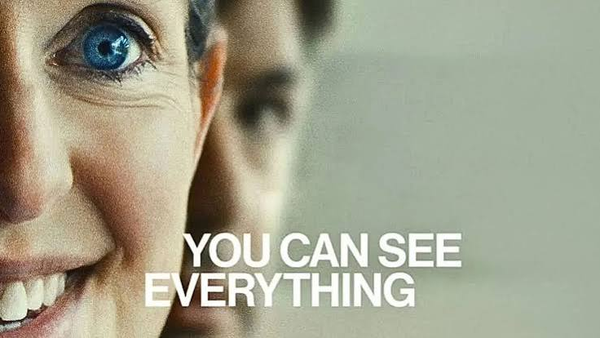
You Can See Everything streaming became a reality on Tuesday, November 24, 2026, when the Nathan Fielder and Lance Oppenheim documentary about Elizabeth Holmes hit Prime Video and Apple TV as a paid digital rental or purchase, just over a month after its October theatrical debut through A24.
Elizabeth Holmes Documentary Nude Scene Isn't Hers — Here's Who It Really Is
How You Can See Everything Streaming Became Available
The film arrived digitally at midnight Eastern time on November 24, which meant West Coast viewers could already watch it starting 9 p.m. Pacific the night before. Prime Video and Apple TV both listed the documentary as a premium video-on-demand title, meaning it is not bundled into any existing subscription. Viewers pay $19.99 to rent the film or $24.99 to own it outright.
That pricing structure matters because it tells fans exactly what to expect. This is not a surprise drop on a streaming service you already pay for. It is a standalone purchase, similar to how many theatrical new releases reach homes before eventually settling into a subscription library. Industry coverage noted the digital release came remarkably fast after the October 16 theatrical premiere, a pattern that has become common even for major studio films.
You Can See Everything Oscars Push Could Rewrite Best Picture History Forever
Inside the Nearly Three-Hour Elizabeth Holmes Documentary
You Can See Everything runs two hours and 54 minutes, and it follows Holmes and her partner, Billy Evans, during the stretch of time right before she reported to federal prison. Fielder, known for his deadpan and awkward comedic style, teamed up with Oppenheim, a director with a track record of intimate observational films, to get access most reporters covering the Theranos scandal never had.
Rather than leaning on prosecutors, former employees, or financial experts to explain what went wrong at Theranos, the film sits inside Holmes' home life. Viewers see her with Evans and their two children. That choice has defined how critics and audiences talk about the project. Some see it as a rare, unfiltered look at a convicted fraudster away from courtrooms and cameras. Others argue it sidesteps the harder questions about the people Theranos actually hurt.
Reactions From Evans and Early Criticism
Billy Evans addressed the film publicly in an interview referenced in later reporting, saying he found it “a really compelling story” and that Fielder and Oppenheim “made a beautiful film.” At the same time, he pushed back on how he was portrayed, describing the less flattering parts of his depiction as “entertainment” rather than a full picture of who he is.
Not everyone has been as warm toward the project. One widely cited Guardian review argued the documentary “tells us nothing about Elizabeth Holmes,” suggesting that getting close to a notorious figure does not automatically produce insight into her actions. That tension, between access and accountability, has followed the film since it quietly premiered as a surprise screening at the Telluride Film Festival in September 2026 before its wider October release.
Theranos Fraud Case Still Shapes the Story
None of this exists without the collapse of Theranos itself. Holmes built the blood-testing startup into a company once valued near $9 billion, claiming its technology could run dozens of tests from a single drop of blood. That claim fell apart under investigative scrutiny starting around 2015, eventually leading to a federal fraud case. A jury convicted Holmes in January 2022 on four counts tied to defrauding investors, and by November 2022 she was sentenced to more than 11 years in federal prison.
You Can See Everything picks up in the window right before she began serving that sentence, which explains why the film carries so much tension even without courtroom scenes. It is less about explaining the fraud and more about watching a convicted founder try to hold together a private life while everything public has already fallen apart.
What Comes Next for the HBO Max Release
The digital rental window is only step one. Because A24 has a distribution agreement with Warner Bros. Discovery dating back to 2023, industry reporting expects You Can See Everything to eventually land on HBO Max as part of a standard subscription. Outlets covering the release have floated early 2027, with January mentioned as a possibility, but neither A24 nor Warner Bros. Discovery has confirmed an actual date.
For now, anyone searching for You Can See Everything streaming options should know the real answer: it is a paid rental or purchase on Prime Video and Apple TV today, not a subscription title yet. Viewers hoping to watch it for free with an existing HBO Max plan will need to wait for an official announcement, something that has not happened as of late November 2026.