
Lawmakers just signed off on a spending plan that tells us a lot about how long Russia thinks this war will last.
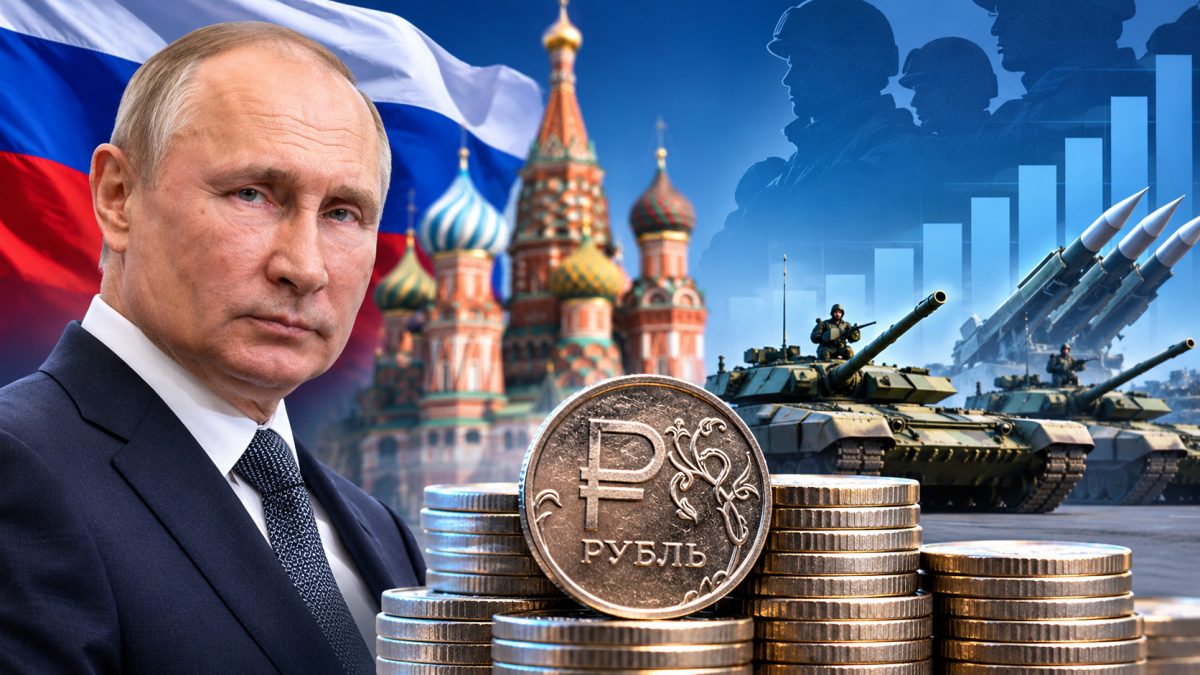
Russia's State Duma approved a federal budget on November 24, 2026, that pours roughly 50.05 trillion rubles, about $609 billion, into national defense over the next three years. The Washington Post calls it Russia's biggest military budget since Soviet times, and a clear sign that President Vladimir Putin plans to keep fighting in Ukraine rather than wind the war down soon.
Ukraine Attack Russian Ships Libya Self-Defence Claim Sparks New Fight
Russia Military Budget 2027-2029 Breaks Down Year by Year
View this post on Instagram
The numbers are staggering once you lay them out. Defense spending will hit 17.15 trillion rubles in 2027, which comes out to around $208.8 to $208.9 billion. That figure drops slightly to 16.61 trillion rubles in 2028, worth about $202.2 billion, then falls again to 16.30 trillion rubles in 2029, roughly $198.4 billion. Add it all up and you get that eye-popping three-year total of 50.05 trillion rubles.
Even though the yearly totals shrink a bit after 2027, don't mistake that for Russia pulling back. These numbers stay far above anything the country spent before its full-scale invasion of Ukraine began in February 2022. Defense spending will eat up 6.91% of Russia's entire economic output in 2027, then 6.3% in 2028, and 5.79% in 2029, according to figures cited in the State Duma's own budget materials.
Compare this to the 2026 budget, where defense got 12.93 trillion rubles, around $157.5 billion. The jump to $208.8 billion for 2027 alone shows just how much Moscow is accelerating its war machine spending rather than slowing it.
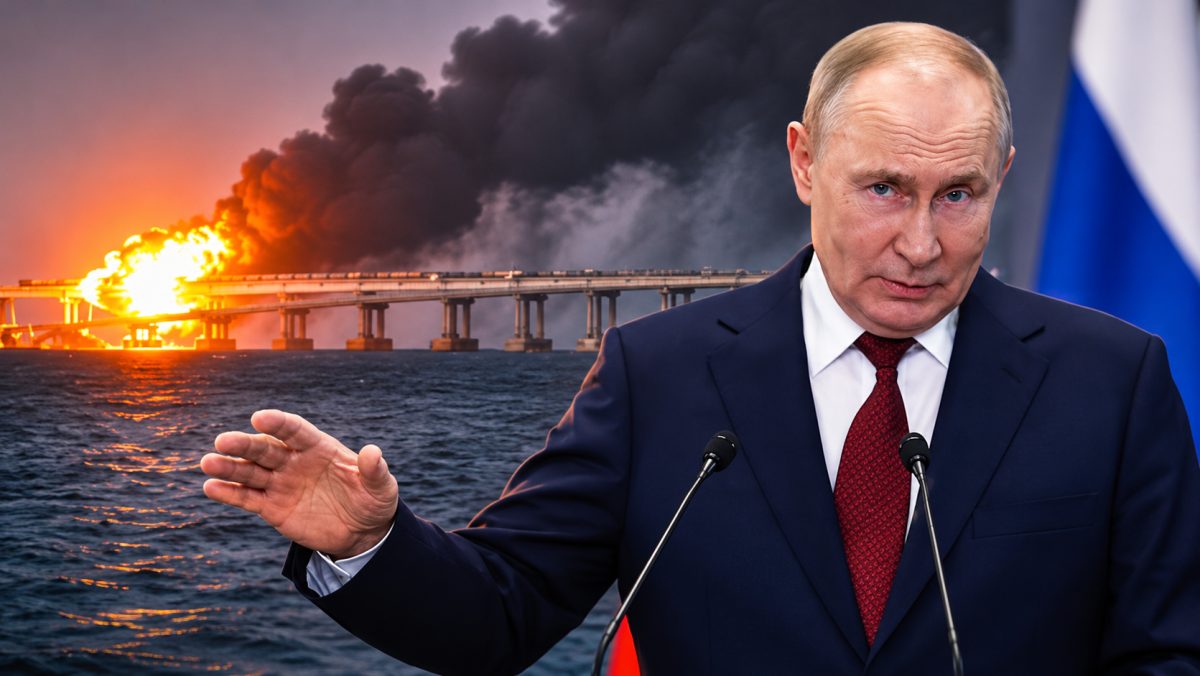
Putin Rejects Ukraine Ceasefire After Crimea Bridge Strike : Threatens Payback
State Duma Record Defense Spending Comes With Tax Hikes
Russia's lawmakers didn't just approve massive military spending. They also passed a batch of tax increases on the same day, according to the Associated Press. The idea seems simple: squeeze more money out of the domestic economy to pay for a war that keeps grinding on, rather than lean entirely on borrowed cash or dipping into reserves.
The Moscow Times describes the legislation as cementing record spending on both defense and security while those tax hikes help foot the bill. This isn't a small budget tweak. Defense spending will make up more than a third of all government spending in 2027, roughly 17.1 trillion rubles out of 48.74 trillion rubles in total spending.
That kind of imbalance has real costs elsewhere. Euromaidan Press reports that most civilian sectors are facing cuts or much slower funding growth, with healthcare singled out as one of the hardest hit areas. When a government puts a third of its money into the military, something else has to give.
Washington Post Ties the Numbers to Putin's War Strategy
The Washington Post didn't mince words in its assessment. The newspaper says the budget is a sign that Putin does not intend to end his war in Ukraine anytime soon. That's not a guess pulled from thin air. It's based on the simple fact that governments don't commit to three years of record-breaking military spending if they expect to wrap up a conflict in the next few months.
This new three-year allocation is about $121 billion higher than the previous three-year budget cycle, the Washington Post notes. Other outlets peg the increase closer to 10 trillion rubles, or about $122 billion, when stacked against the earlier budget law. Either way you slice it, this represents one of the sharpest jumps in Russian military spending since the Soviet Union existed.
It's worth being careful here. The budget numbers don't tell us exactly what Putin will do on the battlefield, and they're not a formal military decision or a promise about how long fighting will continue. What they do show is that Russia's fiscal planning, the actual money set aside and approved by law, assumes the country will need exceptionally high defense spending clear through 2029.
What the Record Russia Defense Spending Means Going Forward
The 2027 budget takes effect January 1, 2027, once it clears the rest of Russia's formal approval process and gets signed into law. From there, expect the government to roll out those tax increases and start directing money toward weapons production, military paychecks, equipment, logistics, and other war-related costs.
Nothing about 2028 or 2029 is locked in stone, though. Annual budgets get revised based on how the economy performs, currency exchange rates, what's happening on the ground in Ukraine, and whether any ceasefire or peace deal emerges. Still, even if ruble totals keep dropping slightly year over year like the plan currently shows, the overall spending stays dramatically higher than anything Russia budgeted before the war started. That's the real story buried in these numbers: a government planning, on paper at least, for years more of fighting ahead.