
Kyiv says sinking a Russian warship near a Libyan port was simply defending itself, but Libya isn't buying it so easily.
Ukraine's foreign minister said on November 24, 2026, that a weekend drone attack on a Russian military vessel and cargo ship in Libyan waters was a legitimate act of self-defence, pushing back hard against criticism from Libya's government in Tripoli.
Llangollen Missile Truck Mystery: Why a Cold War Weapon Sits in a Welsh Field
Ukraine attack Russian ships Libya self-defence claim takes shape
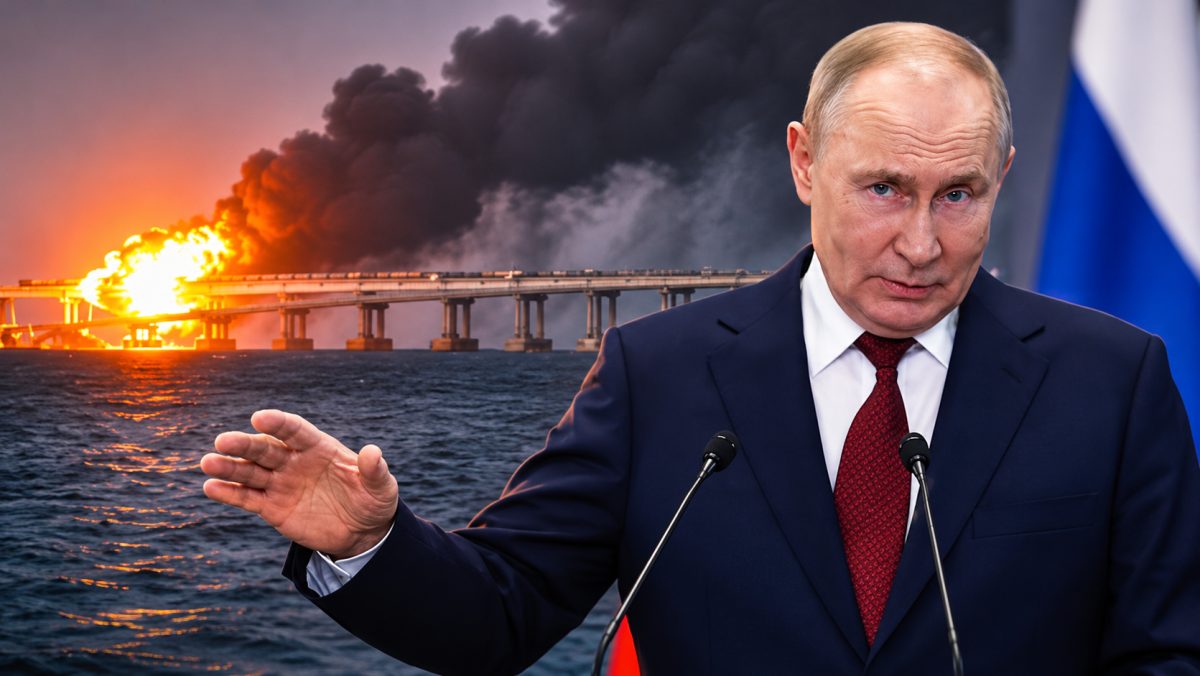
Foreign Minister Andrii Sybiha laid out Ukraine's case plainly. He said both the Russian naval vessel and the cargo ship struck near Benghazi were fair targets because they helped keep Russia's war machine running. He pointed straight to Article 51 of the UN Charter, the part of international law that gives any country the right to defend itself after it's been attacked.
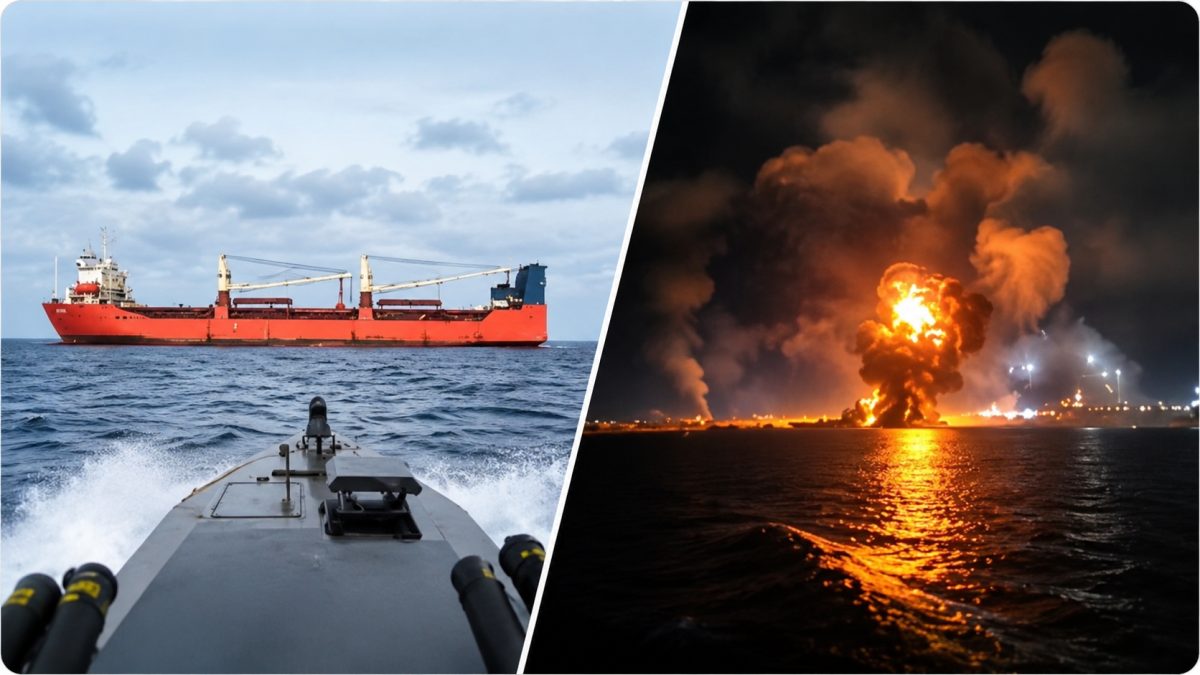
President Volodymyr Zelenskyy went further, telling the public that Ukrainian forces had sunk the Merkury, one of Russia's newer corvettes. He said special-operations troops and seven homemade naval drones carried out the job, and he called it an exemplary response to Russia's ongoing war against Ukraine. The Ukrainian Security Service, known as the SBU, backed that up, saying flatly that both ships were legitimate military targets because they directly supported Russia's war effort.
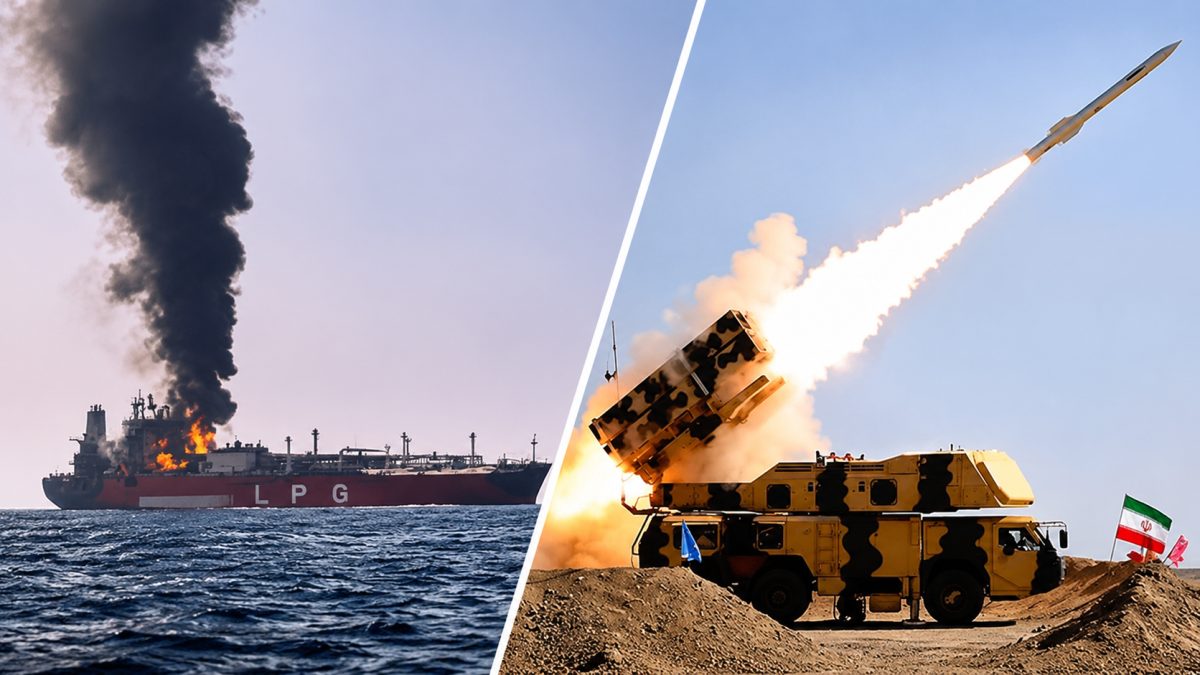
Iran Attacks Bahrain November 21: Why US Bases and Tankers Got Hit
How the Benghazi drone strike actually unfolded
The operation reportedly happened in two parts over the weekend. First, drones hit the corvette either inside or right near Benghazi's port. Then a second wave of drones went after the cargo ship out in nearby waters. Some reports say at least four of the attacking drones were shot down or intercepted before they could do damage, while the rest got through.
What makes this strike stand out is the distance. Ukraine has used sea drones before, mostly in the Black Sea against Russian ships close to home. This time, the drones were reportedly carried out on a larger ship, sometimes called a mothership, and launched from there once it reached the right spot in the Mediterranean. That's a huge jump in range for Ukraine's drone program, and it shows Kyiv can now hit Russian assets far outside the usual battle zone.
Libya pushes back and demands answers from Kyiv
Libya is not a simple backdrop here. The country is still split between two rival governments, one based in Tripoli that the world recognizes, and another running things in the east out of Benghazi. Both sides reacted with alarm. The eastern authorities said there were signs the drones may have actually launched from western Libya, and they asked the United Nations to look into whether Ukraine had military people operating on Libyan soil.
Tripoli's government also demanded that Kyiv explain itself. Ukraine's Foreign Ministry spokesperson, Heorhii Tykhyi, responded by repeating that Ukraine has the right to target Russian warships, cargo ships hauling military gear, and so-called shadow-fleet vessels that help Russia dodge sanctions and keep its war funded. For Libya, though, the bigger worry is sovereignty. A foreign military strike happening in or near its own port waters is the kind of thing that could drag an already fragile country deeper into someone else's war.
A war that keeps spreading past its old borders
Analysts following the story say this strike could change how people think about naval warfare altogether. Cheap, unmanned boats taking down a modern warship thousands of miles from the front lines is not something navies are built to easily stop. Ukraine has leaned hard into drone warfare throughout this war, largely because it doesn't have a traditional navy that can match Russia's Black Sea fleet. This attack suggests that strategy is now going global.
It's worth being clear about what's confirmed and what isn't. Ukraine's own officials, including Zelenskyy, Sybiha, and the SBU, are the source for most of the details here, including the sinking of the Merkury and the exact drone count. Russia has not offered its own public confirmation of the ship's loss in the material reviewed, and the precise launch point of the drones remains disputed. Libya's claim about a western Libya launch site has not been independently verified either.
What comes next for Kyiv, Moscow, and Tripoli
Libya's call for a UN investigation is the clearest next step on the table, though there's no confirmed date for any hearing or formal inquiry opening yet. Expect the diplomatic fight to center on three questions: where exactly the drones came from, whether foreign personnel were working inside Libya, and whether the ships hit were close enough to Russia's war effort to count as fair targets under international law.
Libyan ports may also see tighter security soon, with more surveillance of ships moving through the area and closer scrutiny of anything linked to Russian logistics. For Ukraine, this operation is proof that its naval drone program keeps growing bolder and reaching further. For Russia, the quiet response so far leaves open questions about how it plans to protect its remaining assets in the Mediterranean going forward.