
A new ocean documentary shows scientists stumbling onto something nobody expected at the bottom of the world.
National Geographic's new documentary, Expedition: Saving Our Seas, premiered November 13, 2026, at 9 p.m. Eastern on the National Geographic Channel, following oceanographers racing to document and protect ocean life as climate change reshapes it, with streaming starting the next day on Disney+ and Hulu.
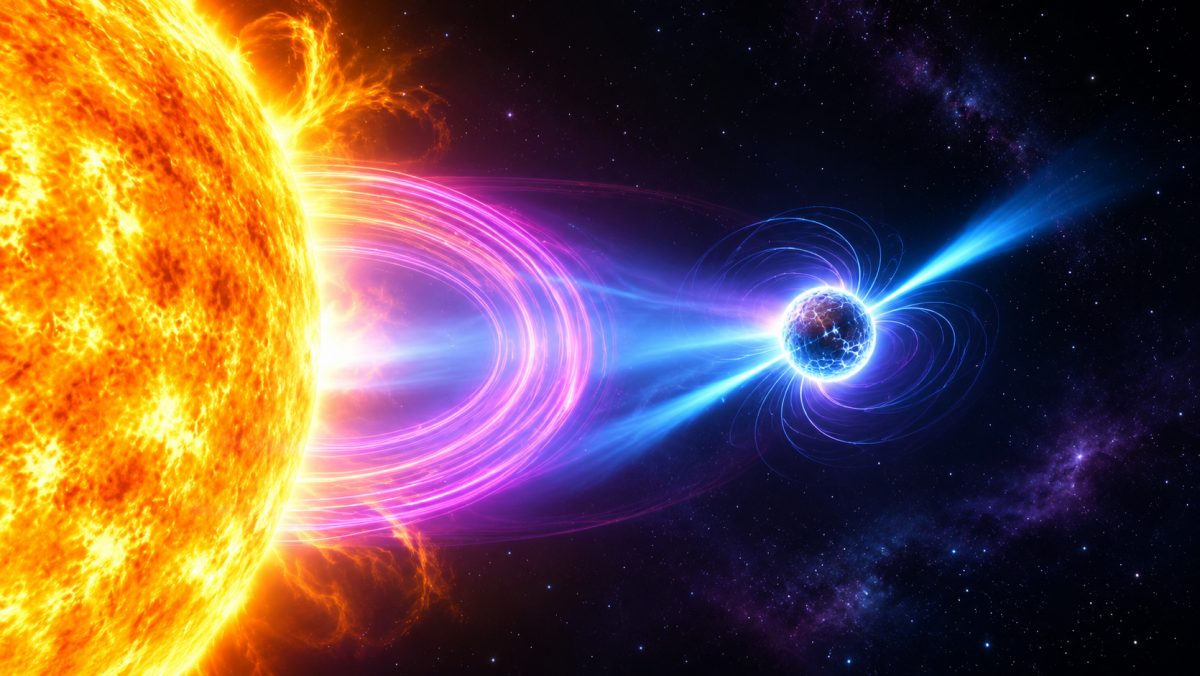
GPM J071507−114153: Dead Star Near Sun-Like Twin Sends Pulses Every 8 Minutes
Scientists track a remote-controlled vehicle into the deep
The film centers on researchers working in places most people will never see. One of them is Andrew Thurber, a biological oceanographer at the University of California, Santa Barbara. His team sailed into the Southern Ocean, the icy water that wraps around Antarctica, hunting for something nobody had confirmed before.
They used a remotely operated vehicle named SuBastian to scan the seafloor far below their ship. Cameras on the machine sent live video back to the crew, and the documentary captures their reactions in real time as strange shapes and creatures drifted into view. There's no script for that kind of moment. You either know what you're looking at or you don't, and the film leans into that uncertainty.
Most Readers Say Yes to Lucid Dreaming, But Here's Who Said No Thanks
The hunt for a hydrothermal vent pays off
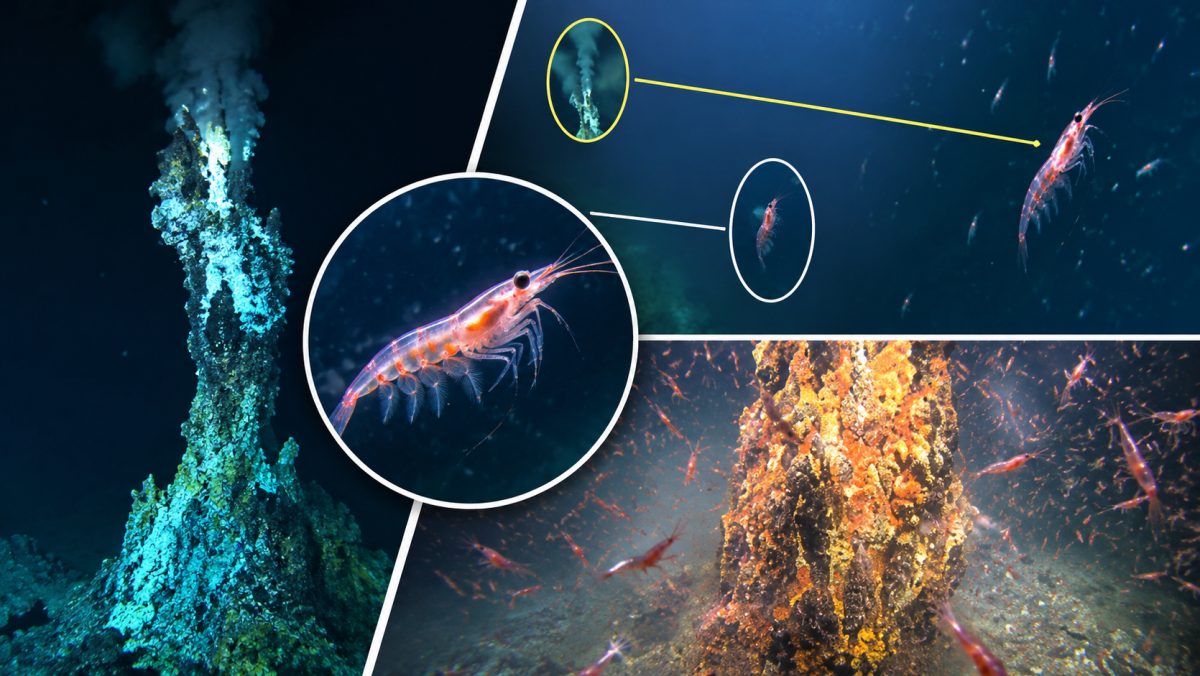
Eventually, the team found what the documentary calls the southernmost hydrothermal vent ever discovered. It's a black smoker, a vent that pumps out scorching, mineral-rich water that looks like dark smoke pouring into the ocean. In the Southern Ocean, where food is scarce across much of the seafloor, these vents can act like underwater oases, drawing in life that can't survive anywhere else nearby.
What made this particular vent remarkable wasn't just its location. Swarms of pregnant female krill were found clustered around it. Krill might be small, but they hold up an entire food web. Whales, seals, penguins and fish all depend on them. Finding so many pregnant krill gathered at this spot gives scientists a new piece of a puzzle they've been trying to solve for years.
Andrew Thurber on an ocean without borders
Thurber frames the discovery as proof that national lines mean nothing underwater. "It's this giant connected ocean that ignores all of the political boundaries, ignores all of the names we call them," he says in the film. It's a simple line, but it carries weight when you consider how ocean protection usually gets decided, country by country, often slowly.
That connection matters because krill are already under pressure. Industrial fishing boats harvest them in large numbers, and warming waters are shifting the conditions krill need to survive. The documentary presents the vent discovery as fresh evidence for creating a marine protected area, a zone where fishing and other human activity would be limited to give krill populations, and everything that eats them, a better shot at recovering.
A second story unfolds in warmer waters
While Thurber's team works in freezing conditions near Antarctica, the film shifts to a very different setting in the Indian Ocean. There, scientists are shown raising young corals that are struggling against rising sea temperatures. It's slower, quieter work compared to the thrill of a deep-sea discovery, but it carries the same urgency.
Putting these two stories side by side is clearly intentional. One team is out exploring, searching for life nobody has documented before. The other is already in recovery mode, trying to help a species survive damage that's already been done. Together, they paint a fuller picture of what ocean science looks like right now, part discovery, part damage control.
What comes next for the research and the film
For viewers, the next step is simple. Expedition: Saving Our Seas is available to stream on Disney+ and Hulu starting November 14, 2026, a day after its television premiere. Anyone who missed the broadcast can catch the krill swarm, the black smoker, and the coral nurseries on demand.
For the science itself, bigger questions remain open. The documentary doesn't say whether a formal follow-up expedition is planned, or when, if ever, a marine protected area tied to this discovery might actually get approved. Decisions like that usually involve multiple governments, fishing industries and conservation groups all pulling in different directions. What the film does make clear is that the case for protection just got a little stronger, built on a vent nobody had mapped before and a crowd of pregnant krill that showed up right when the cameras were rolling.