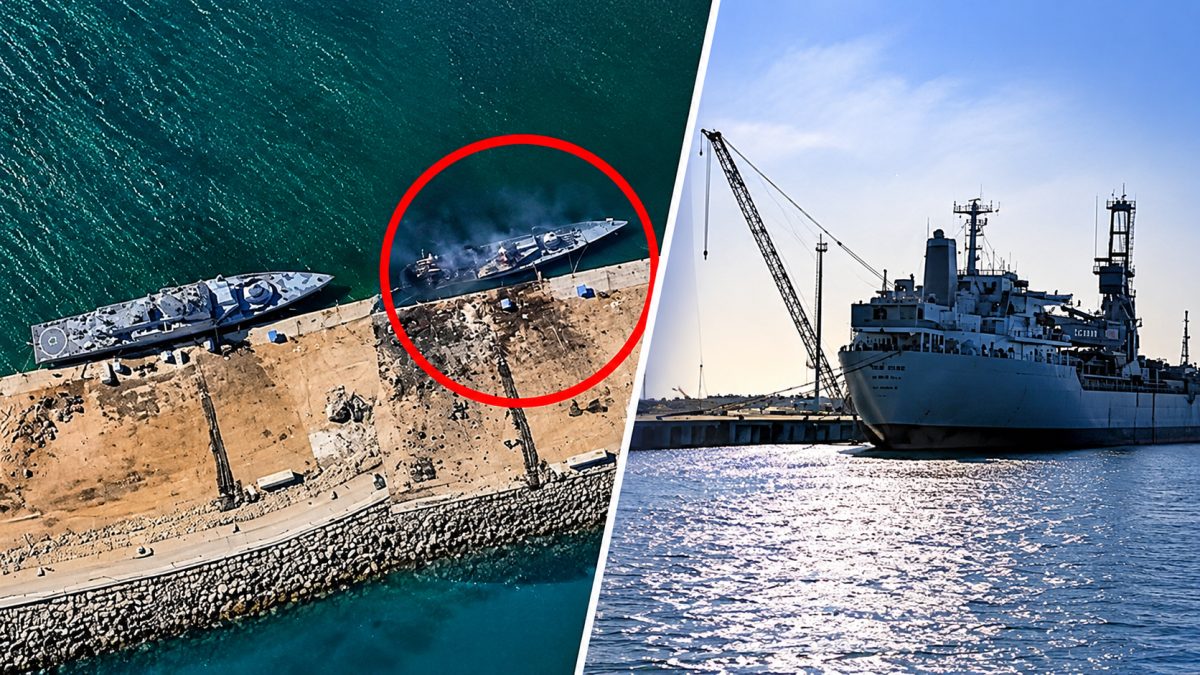

A convoy escorted by a Russian frigate quietly abandoned its trip to Libya right after a warship went down in flames at Benghazi.
A Russian flotilla bound for Libya turned around in the Mediterranean after Ukrainian maritime drones sank the Russian corvette Merkury in Benghazi port on November 22, 2026, three military and security sources told Reuters. The convoy, escorted by the frigate Admiral Golovko, later paused off Algeria.
Russia Military Budget 2027–2029 Hits $609 Billion, Biggest Since USSR
Attack at Benghazi sparks the reversal
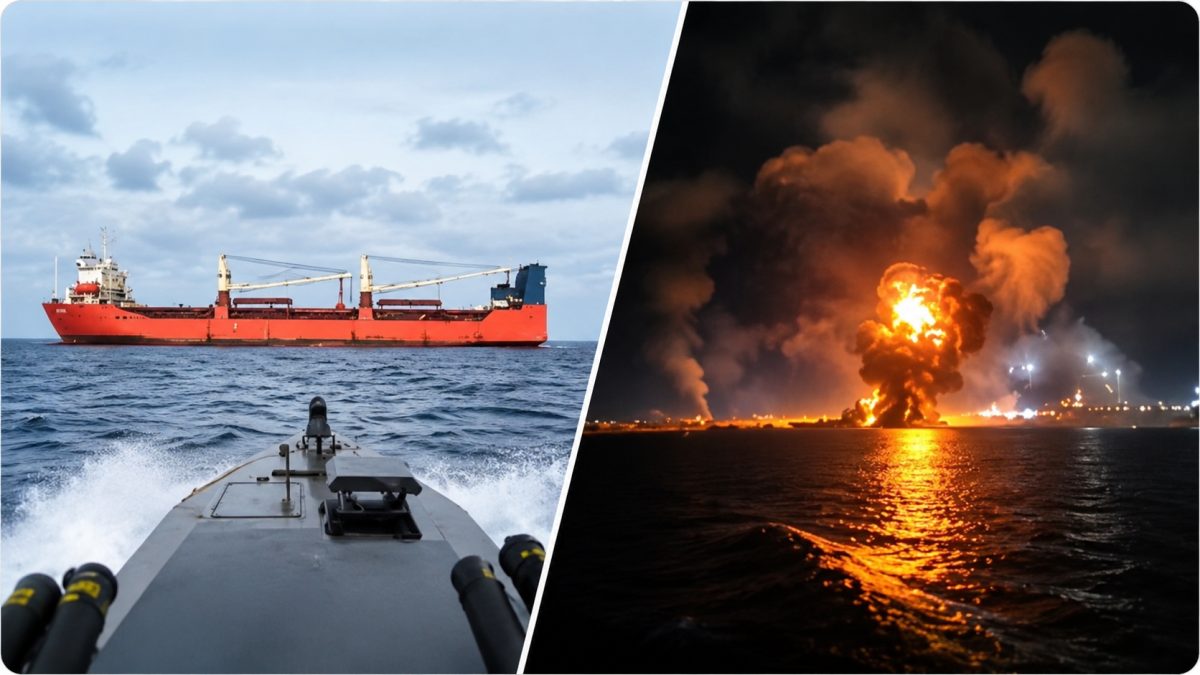
Ukraine's drone strike hit two Russian-linked vessels near Benghazi over the weekend of November 22. One target, the corvette Merkury, was docked at the Benghazi naval base when it exploded and sank. A second ship, the sanctioned cargo vessel Angara, was also struck nearby. President Volodymyr Zelenskyy confirmed the operation on November 23, saying Ukraine used seven Ukrainian-made naval drones near Libya's coast.
The location mattered as much as the target. Benghazi sits roughly 1,700 to 2,000 kilometers from the main front lines in Ukraine, depending on which coastline you measure from. That distance alone shows how far Ukraine is now willing to reach to hit Russian military assets. Libya's eastern authorities confirmed the Merkury had been docked at the base, though Libya's maritime agency gave a slightly different account, saying the ship caught fire and sank somewhere between Libya and Malta. Those small gaps in the story haven't been fully resolved yet.
Ukraine Attack Russian Ships Libya Self-Defence Claim Sparks New Fight
Russian flotilla bound for Libya changes course
Within hours of the Benghazi strike, a separate Russian convoy carrying military vehicles toward Libya altered its path. A European military official tracking the ships said they turned near the Strait of Sicily on the same day as the attack, according to Reuters. That strait is a key chokepoint between the central Mediterranean and North Africa, making it an obvious place to watch if you want to know where Russian ships are really headed.
Ukrainian military intelligence and a Middle Eastern security official later confirmed the group had dropped its plan to reach Libya. Open-source researchers tracking satellite radar images reported the ships instead moving toward Gibraltar, before the convoy was described as paused off the coast of Algeria. Exactly what the ships are carrying, and where they'll ultimately end up, remains unclear. One open-source analysis noted that an earlier Russian convoy had already reached Libya and lost its escort to Ukrainian drones, while this second one chose to turn back rather than risk the same fate.
Meloni says she wasn't warned
The strike didn't just rattle Moscow. It also created a diplomatic headache between Kyiv and Rome. Italian Prime Minister Giorgia Meloni, long one of Ukraine's most reliable backers in Europe, said plainly that the war "must not be allowed to spread to the Mediterranean Sea." She made the comment on the sidelines of a European Council meeting in Brussels.
Bloomberg reported that Meloni was furious she hadn't been warned ahead of time about strikes happening so close to European waters. Zelenskyy reportedly told her directly that Ukraine had carried out the operation alone, without coordinating with any partners beforehand. That admission, while it may reassure some allies that Europe wasn't secretly involved, also raises a harder question: how much advance notice should Ukraine owe its partners when strikes edge closer to NATO and EU territory?
A war that keeps widening its map
Until now, most Ukrainian strikes on Russian naval targets stayed close to the Black Sea or nearby waters. Hitting a warship docked in Libya is a different kind of message. Russia has used Libya for years as a logistics hub, moving military vehicles, personnel, and equipment through ports like Benghazi to support operations elsewhere in Africa. Losing a corvette there, plus watching a second convoy retreat, hits that supply chain directly.
The timing adds another layer. The Benghazi attack came just a day after a drone strike on a Russian military-linked cargo ship in the Gulf of Finland, a completely different corner of Europe. Reuters described the two incidents as part of a broader pattern of pressure on Russian maritime assets, even though they happened in very different seas. No Russian military statement has confirmed the sinking, the convoy's reversal, or what the ships were actually carrying, so several details still rest on the word of unnamed sources rather than official confirmation from Moscow.
What happens next will likely come down to tracking data and satellite images rather than press releases. Will the paused convoy resume its route to Libya, reroute through another port, or simply turn back toward Russia? Analysts expect clearer answers in the coming days as radar imagery and intelligence briefings catch up with what's happening on the water. For now, the flotilla sits off Algeria, Admiral Golovko still escorting it, and nobody outside a small circle of officials seems entirely sure where it's going next.