
Nobody crossed the finish line Tuesday night, and now the real fight over Israel's next government begins.
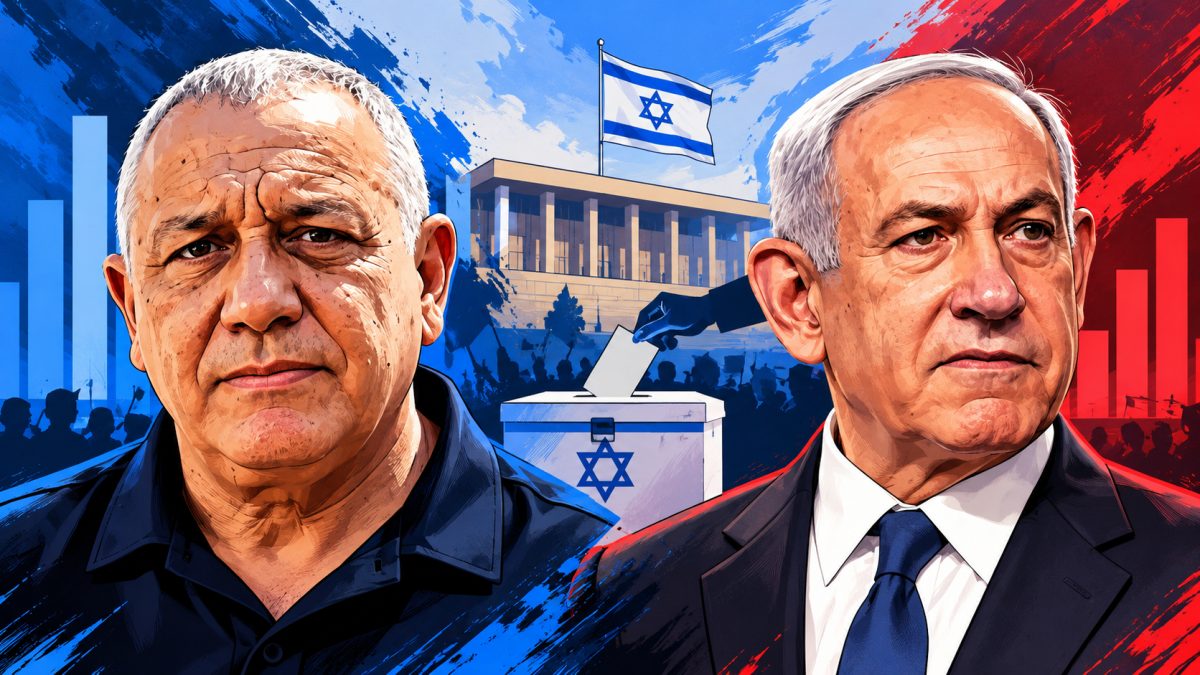
Israel election exit polls 2026 show no party or bloc won enough seats to govern outright, after voters cast ballots on Tuesday, 27 October 2026, in the country's first national election since Hamas's October 7, 2023 attack. Exit polls from three major broadcasters put Gadi Eisenkot's opposition bloc narrowly ahead of Prime Minister Benjamin Netanyahu's bloc, but both fell short of the 61 seats needed in Israel's 120-seat parliament.
European Diplomats Attacked by Israeli Settlers in West Bank Olive Grove Raid
Israel Election Exit Polls 2026 Point to a Knife-Edge Result
When the polls closed Tuesday, Kan, Channel 12 and Channel 13 all released projections pointing in the same direction. Eisenkot's bloc was pegged at around 52 seats, while Netanyahu's bloc landed at about 50. That's a gap of just two seats, nowhere close to the 61 needed to form a government. Neither man could claim a clean win.
The numbers tell a more complicated story once you look past the bloc totals. Likud, Netanyahu's own party, is still projected to be the single largest party in the Knesset, with roughly 24 to 25 seats. Eisenkot's party, Yashar, trails behind at around 21 to 23 seats. So while Eisenkot's broader alliance edges out Netanyahu's, Netanyahu can still argue his party has more individual pull than any other single party in the race.
That distinction matters a lot in Israeli politics. Being the largest bloc gives you momentum. Being the largest single party gives you a seat at the table when the president starts calling in party leaders for coalition talks. Both men now have a case to make, and neither has a knockout argument.
Macklemore Free Palestine Dublin Show Draws Hozier and Kneecap Onstage
Netanyahu's Coalition Collapse From 68 Seats to 50
The scale of the shift becomes clear when you compare this result to the outgoing Knesset. Netanyahu's governing coalition, which included Likud, ultra-Orthodox parties and nationalist allies, held 68 seats last time around. Exit polls now show that same bloc shrinking to about 50 seats, a drop of 18 seats. That's a brutal swing for any sitting prime minister to absorb.
Eisenkot, a former Israel Defense Forces chief of staff, built his campaign around his military background rather than a typical politician's résumé. His bloc pulled together Yashar along with other parties opposed to Netanyahu, including groupings linked to Naftali Bennett, Yair Lapid, the Democrats and Avigdor Lieberman's Yisrael Beiteinu. Exactly how these parties fit together still depends on which broadcaster's coalition math you're reading, but the overall direction is the same: a broad anti-Netanyahu front that outpaced the prime minister's camp.
Turnout numbers help explain why this election feels different. Reports put turnout at 80% or higher, described by some outlets as the highest since 1999. High turnout elections in Israel have a history of punishing incumbents, and that pattern appears to have played out again here, just not decisively enough to hand Eisenkot a governing majority on his own.
Arab Parties Hold Record 18 Seats and the Balance of Power
The most striking number in this election might not even belong to Netanyahu or Eisenkot. Exit polls project Arab parties winning a combined 18 seats, a result some reports are calling a record or historic high. That bloc now sits in a position to decide whether either major alliance can actually reach 61 seats and form a government.
Whether Arab parties choose to formally back a coalition, offer outside support without joining the government, or stay on the sidelines entirely will shape everything that happens next. Their 18 seats don't automatically hand Eisenkot a majority, since even combining his 52 with Arab party support still leaves him short of 61 unless additional smaller parties come on board too. The math is tight enough that every single seat matters.
This is exactly why exit polls, while useful, are not the final word. Small shifts in vote counting, especially for parties sitting near Israel's electoral threshold, can change seat allocations enough to flip the entire coalition picture. The Kan broadcaster itself adjusted its own numbers during the night, moving seats between Bennett's party and the Joint List as counting continued.
What Comes Next for Netanyahu and Eisenkot
The official vote count still needs to be finalized, and that process could shift the final seat totals in either direction. Once that happens, Israel moves into the coalition-building phase, where the president consults with party leaders before formally tasking someone with trying to build a government.
Three realistic paths sit ahead. Eisenkot could try to stitch together a coalition from his bloc plus outside support, possibly from Arab parties. Netanyahu could attempt to peel off defectors or strike deals across the bloc divide despite trailing in the overall count. Or Israel could slide into another stretch of political deadlock if nobody can lock down 61 votes, a scenario Israeli politics has seen more than once in recent years.
For now, the headline is simple even if the politics aren't: no clear winner, a narrow opposition lead, and weeks of negotiating ahead before anyone knows who actually runs the next Israeli government.