
Ancient DNA is finally explaining why one human species made it and the other didn't.
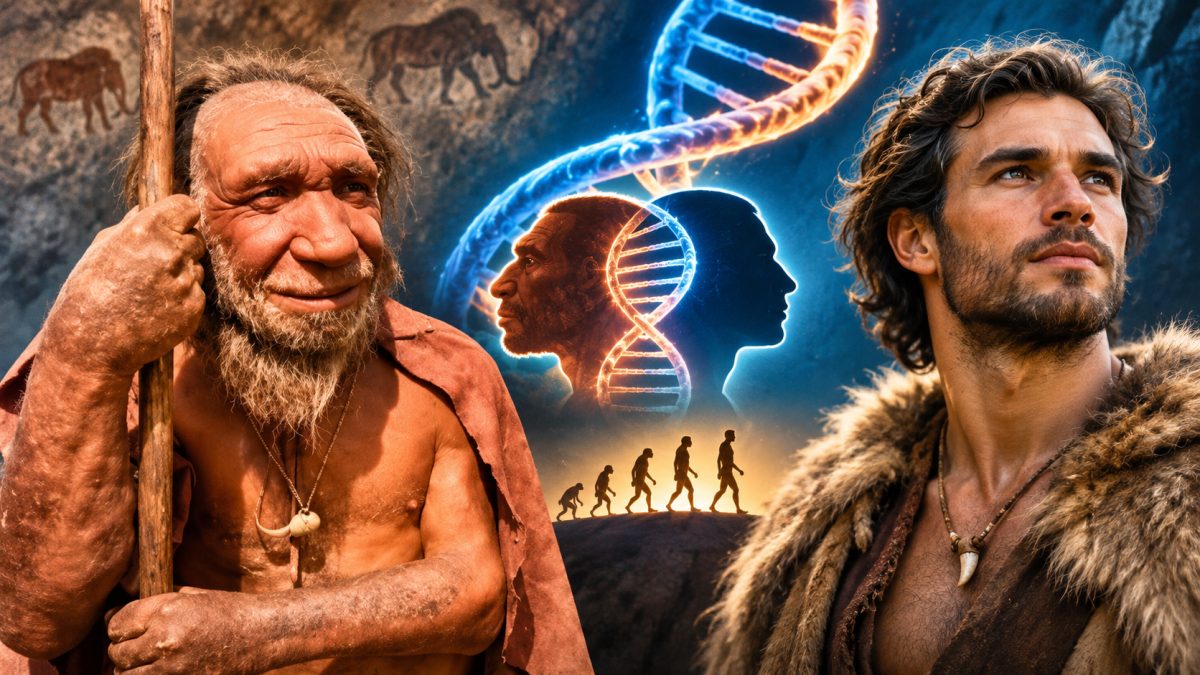
New research published through late November 2026 shows that Neanderthal modern human interbreeding happened repeatedly across thousands of years, leaving lasting DNA traces in people alive today, while Neanderthals themselves vanished from Europe and Asia. Live Science detailed the findings on November 27, 2026, drawing on ancient genome studies and a separate modeling paper that examined climate, competition and social networks.
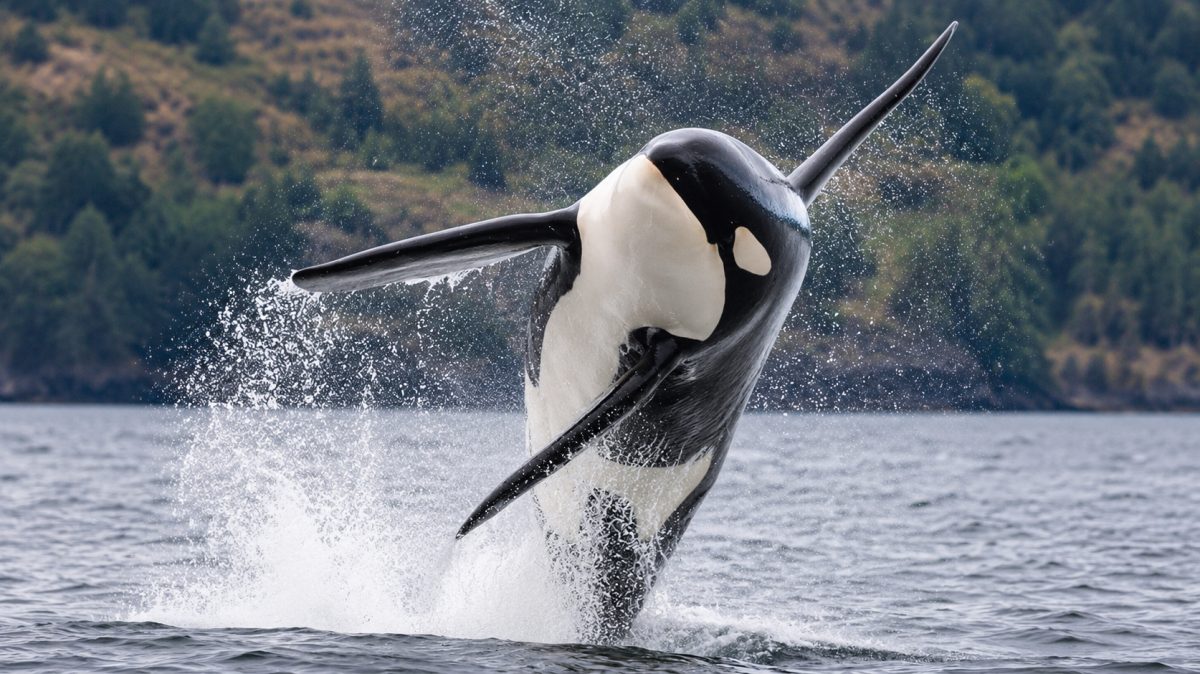
Oldest Male Orca Ever Found May Have Been Identified Using Nuclear Bomb Traces
What Ancient Genomes Show About Neanderthal Modern Human Interbreeding
Neanderthals lived across Europe and parts of western and central Asia for hundreds of thousands of years before modern humans arrived from Africa. When the two groups met, they didn't just compete for land and food. They had children together, and those children's descendants are still here.
A detailed analysis of 58 ancient Eurasian genomes found that the main wave of Neanderthal modern human interbreeding began around 50,500 years ago and lasted roughly 7,000 years. Other genetic studies place the broader window for major gene flow somewhere between 47,000 and 65,000 years ago. Some evidence even points to an earlier contact episode more than 250,000 years ago, though that event isn't the main source of Neanderthal DNA found in people today.
The numbers are small but meaningful. Most people with non-African ancestry carry about 1% to 2% Neanderthal DNA, with some estimates stretching the range to 1% to 4% depending on the population and method used. Right after the main interbreeding period, around 40,000 years ago, some ancient humans carried as much as 6% to 9% Neanderthal DNA, a share that later shrank as natural selection and generations of mixing diluted it.
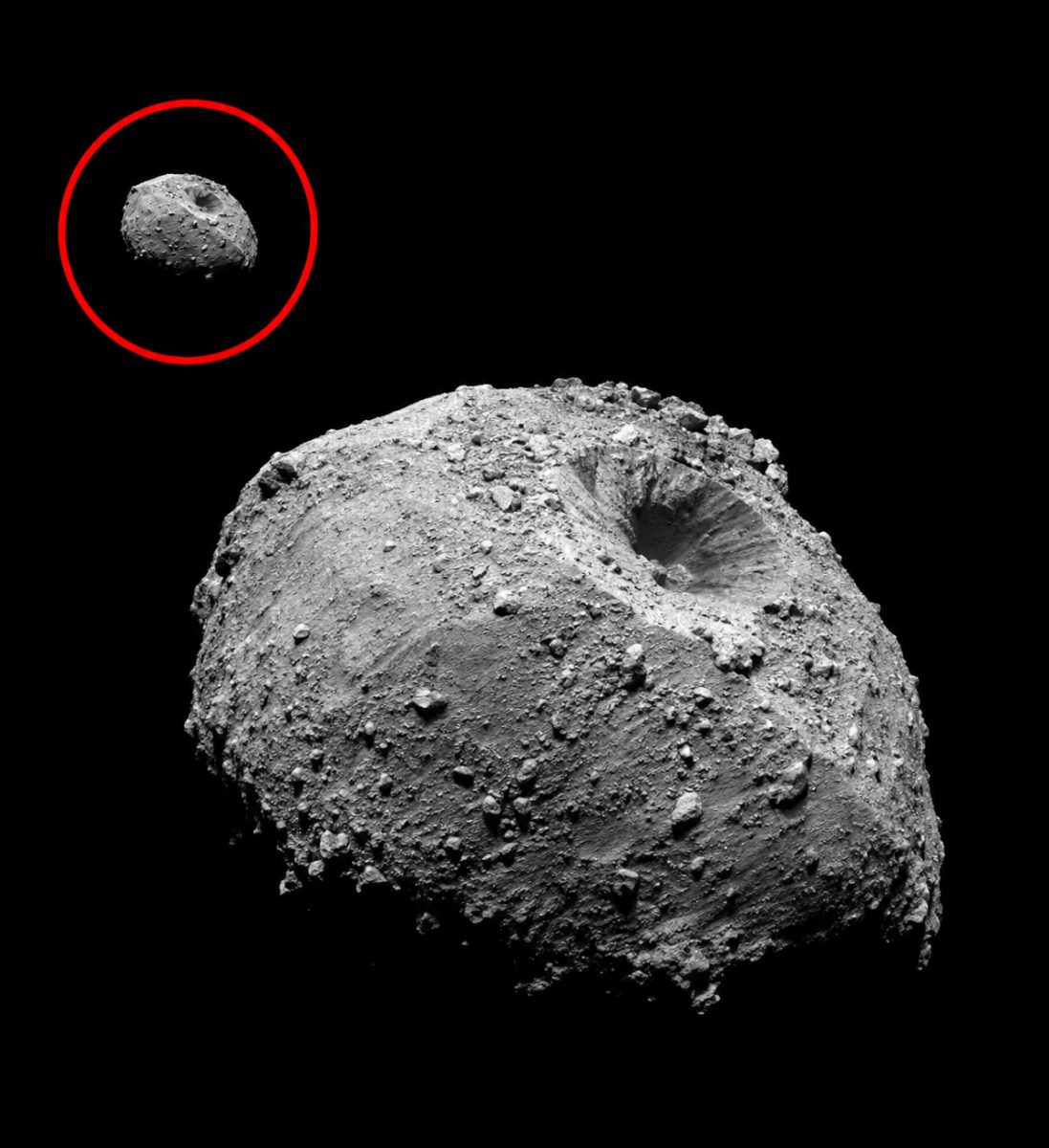
Hera Dimorphos Crater Photos Reveal a Stadium-Sized Hole DART Punched Into Asteroid
Why Neanderthals Disappeared While Modern Humans Expanded
A study published in Science Advances and reported by Phys.org on November 23, 2026, used computer simulations to test what actually pushed Neanderthals toward extinction. The researchers found that modern human expansion made it harder for Neanderthal groups to bounce back after rough climate periods. Neanderthal populations had survived earlier cold spells and food shortages on their own for thousands of years.
What changed was the added pressure. According to the Greek Reporter's November 27 coverage of the same research, repeated failed attempts by modern humans to settle permanently in Europe were linked to Neanderthals sticking around longer. But when interbreeding happened more often, Neanderthal disappearance came sooner. A paper summarized in a government-hosted research archive put it plainly: Neanderthal disappearance and modern human dispersal were interconnected demographic processes, not two separate stories happening side by side.
This doesn't mean modern humans hunted Neanderthals to extinction or that one single event ended things. It means population pressure, failed settlements, climate swings and interbreeding were all tangled together, each one affecting the others over thousands of years.
The Social Connectivity Theory Behind Human Survival
Another angle came from a study highlighted by ScienceDaily, which argued that climate change and competition alone don't fully explain what happened. The key difference, researchers suggest, may have been social connectivity. Modern human groups appear to have built stronger, more flexible networks with other groups spread across wider areas.
That kind of network matters more than it sounds. If one group's hunting grounds dried up or a harsh winter wiped out food supplies, having friends and family in distant camps meant you could move, trade, or get help. Smaller, more isolated Neanderthal groups may not have had that same safety net. When their local environment turned against them, there was less of a backup plan.
Researchers are careful to call this an explanation worth testing further, not a final answer. The evidence is suggestive rather than proven, and multiple factors likely worked together rather than any single cause acting alone.
What Modern Human DNA Tells Us About Our Shared Past
The scientific picture has shifted a lot from the old idea of modern humans simply replacing Neanderthals outright. Genetic evidence collected over the past two decades, including analysis summarized by the Smithsonian's Human Origins program, shows the two lineages split apart somewhere between 550,000 and 690,000 years ago based on mitochondrial DNA. Yet they stayed biologically close enough to have children together tens of thousands of years later.
That reality changes how scientists talk about extinction itself. Neanderthals disappeared as a distinct population with their own culture and tools. But part of their genetic story survived, carried forward inside modern human genomes. Extinction and assimilation happened at the same time, which is a stranger and more interesting outcome than a simple story of one species winning and another losing.
Where This Research Goes From Here
Scientists are now working with larger sets of ancient genomes and better dating methods to pin down exactly where and when different contact episodes took place. Researchers also want to know whether specific Neanderthal genes still carried by modern humans affect things like immune response, metabolism or skin health.
No single study has settled the debate over why Neanderthals vanished. But between demographic modeling, ancient genome sequencing and questions about social networks, the picture keeps getting sharper. The next round of research will likely focus on separating what role direct competition played from what role interbreeding and assimilation played, since right now those threads remain tightly knotted together in the evidence.