
A Miami judge just slammed the door shut on Trump's fight with the Wall Street Journal over an Epstein birthday letter.
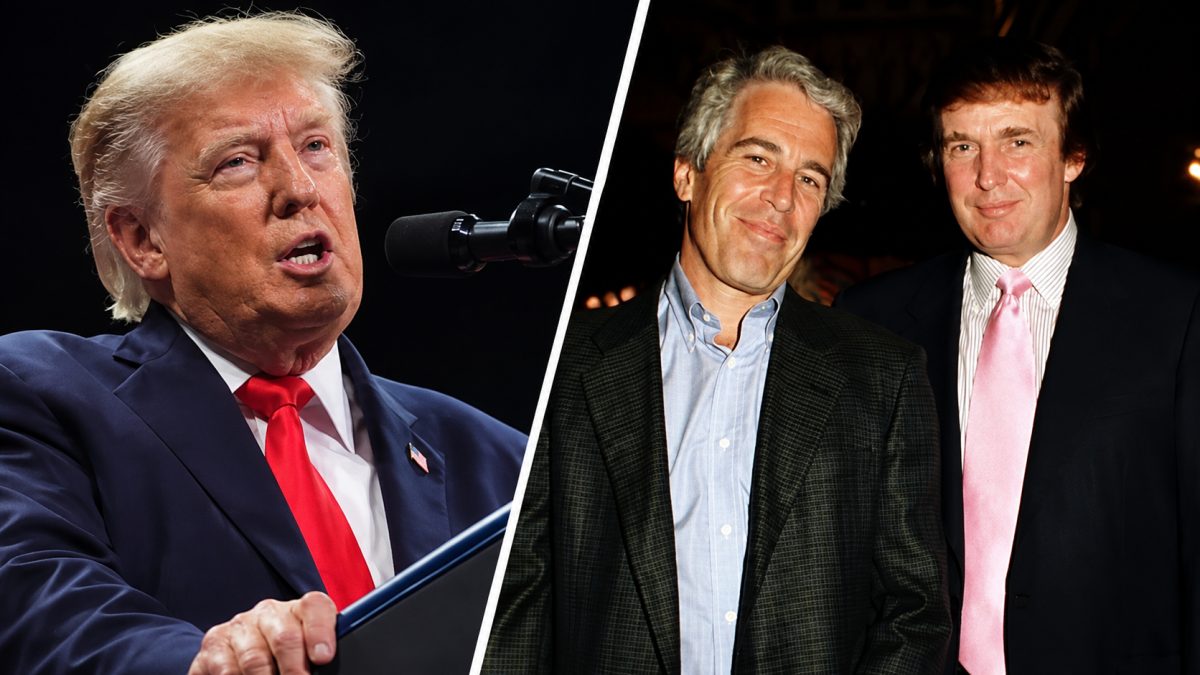
The Trump Wall Street Journal Epstein lawsuit was dismissed with prejudice on Saturday, October 31, 2026, by U.S. District Judge Darrin P. Gayles in Miami, Florida, ending President Donald Trump's second attempt to sue the newspaper and Rupert Murdoch over a 2025 report tying him to a birthday message for Jeffrey Epstein.
Sacha Baron Cohen Donald Trump Brilliance Claim Shocks Fans Ahead Of Ali G Return
Judge Gayles Shuts Down Trump's Second Try
Gayles did not hold back in his 20-page ruling. He wrote that Trump had not plausibly alleged that each defendant made defamatory statements with actual malice, which is the legal bar public figures must clear to win a defamation case. Because this was already Trump's second shot at the claims, Gayles decided enough was enough.
"And because this is President Trump's second attempt to allege his claims, the Court finds that dismissal with prejudice is appropriate," Gayles wrote. He added a blunt line that summed up the whole case: "As with his first attempt, he has failed." That dismissal with prejudice means Trump cannot bring the same lawsuit back to this court again.
Trump Slams LeBron James Over National Anthem Moves Before Sixers Debut
How the Trump Epstein Birthday Letter Lawsuit Started
The fight traces back to a Wall Street Journal story published in July 2025. The paper reported on a sexually suggestive birthday message that carried Trump's name, supposedly part of an album put together for Epstein's 50th birthday back in 2003. Epstein, a wealthy financier later convicted as a sex offender, died in federal custody in 2019.
Trump denied he ever wrote the message. He fired back with a lawsuit against the Journal, its parent company, and top executives, including Murdoch himself. Reports on the damages Trump sought varied, with some putting the figure at $10 billion and others at $20 billion, depending on how the claims were tallied.
Gayles first threw out that original complaint back in April 2026, ruling that Trump's lawyers had not properly laid out a case for actual malice. Instead of walking away, Trump's team went back to the drawing board. In May 2026, they filed an amended complaint, hoping to patch the holes the judge had pointed out.
Why the Actual Malice Standard Sank the Case
The entire case hinged on one tough legal hurdle. Because Trump is a public figure, he could not simply claim the story was false and unfair. He had to show that the Journal and its executives either knew the report was false or showed reckless disregard for whether it was true or not.
That standard comes from decades of Supreme Court precedent protecting press freedom when reporting on public officials and public figures. Gayles found that even the revised complaint fell short on this point for every defendant named in the suit. The ruling focused strictly on whether Trump's legal filing met that bar, not on whether the birthday letter itself was real or fake.
News outlets covering the ruling noted how sharply the judge worded his decision. PBS reported that Gayles described Trump's legal effort as "grasping at straws." CNN noted the amended filing still failed to fix the same problems that sank the first version of the lawsuit months earlier.
What the Dismissal Means for Trump and the Press
This result lands as a major win for the Wall Street Journal and Murdoch, who had been fighting the lawsuit since last year. Being dismissed with prejudice is about as final as it gets at the district court level. Trump cannot simply file a third version of this same complaint and try again in that courtroom.
The case also highlights just how hard it is for public figures, even a sitting president, to win defamation suits against news organizations. Courts have consistently protected reporters and publishers unless there is clear evidence they knew what they printed was false or did not care whether it was true.
Available reporting does not show whether Trump plans to appeal the ruling to a higher court. No notice of appeal, filing deadline, or new legal action has been confirmed so far. The Wall Street Journal and Murdoch have not issued a detailed public response to Saturday's ruling based on current reporting.
Looking Ahead After the Ruling
For now, the lawsuit is dead in Gayles' courtroom. There is no trial on the books, no discovery process moving forward, and no further hearings scheduled on these claims. The dismissal closes this particular legal chapter, even though the broader public argument over the alleged birthday letter and Trump's ties to Epstein is unlikely to fade from headlines anytime soon.
Whether Trump pursues an appeal remains an open question. Legal experts will be watching closely to see if his team tries a different venue or a different legal theory, since this specific complaint, as written, cannot return to the Southern District of Florida.