
A simple poll question turned into a window on how ordinary people really feel about risking their health for space travel.
Live Science asked its readers a blunt question on November 3, 2026: would they go to Mars despite health risks like cosmic radiation exposure? By November 6, more than 240 people had answered, and 65% picked the option that said no, the risks just aren't worth it.
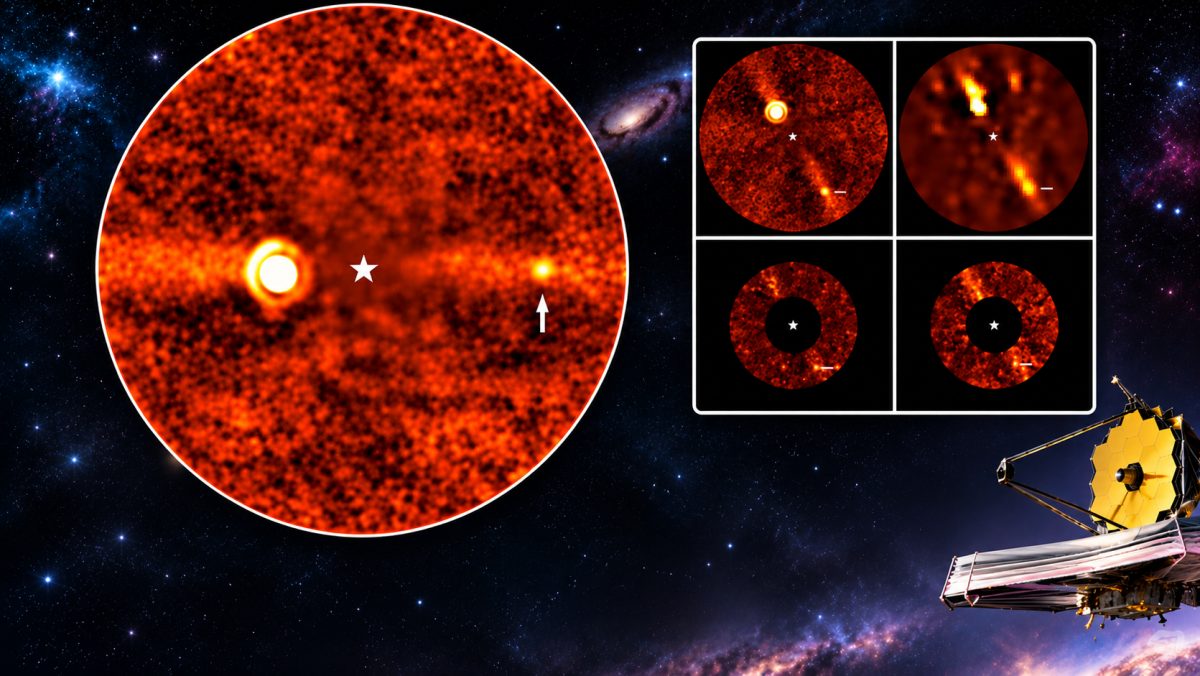
FLIP Exoplanet Imaging Tool Finds Hidden Planet JWST Missed Before
Why Live Science Asked Would People Go To Mars Despite Health Risks
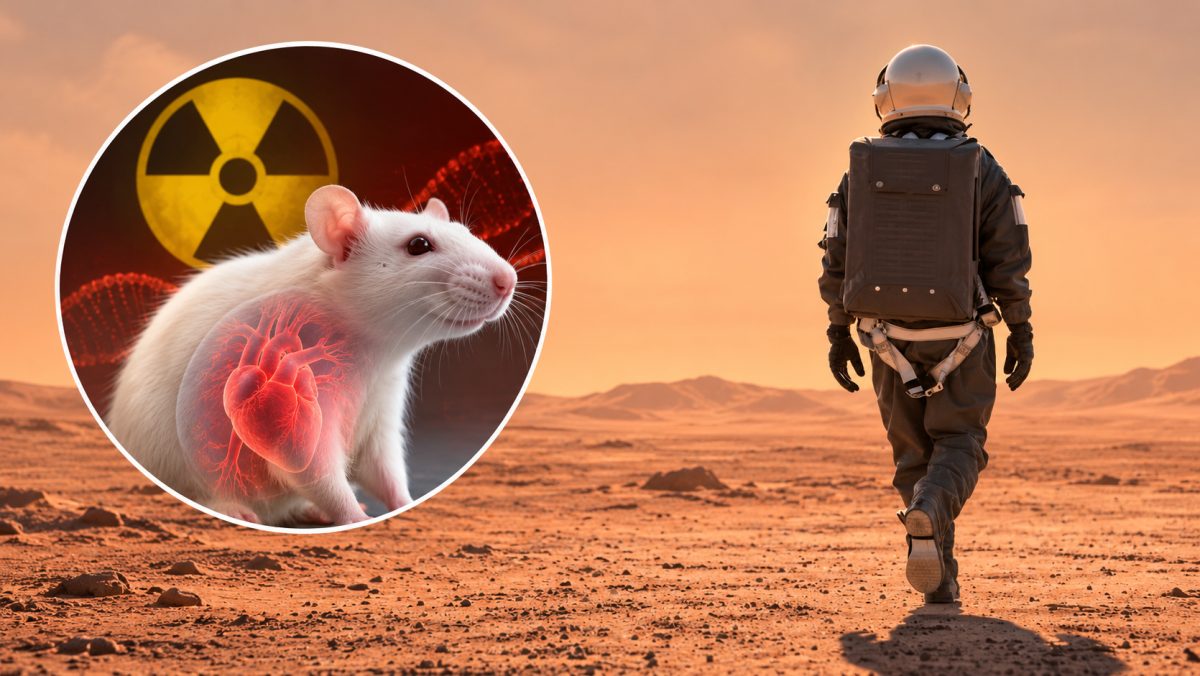
The poll didn't come out of nowhere. It followed new animal research showing that rats exposed to radiation levels similar to what Mars astronauts might face developed more scar tissue around the small blood vessels in their hearts compared to rats that weren't exposed. That's a real warning sign for future space travelers, though scientists are careful to note this hasn't been shown in humans yet.
Live Science framed the question directly to readers: would you risk your health to visit Mars? The goal wasn't to run a scientific study. It was to see how regular people react when faced with the idea of trading years of their life, and maybe their long-term health, for a shot at reaching another planet. More than 240 people weighed in, and the answer was clear. Most said no.
Why Earwax Deters Insects: The Sticky, Slippery Trick That Stops Ants Cold
What Readers Said About Risking Everything For Mars
The follow-up article let readers speak in their own words, and one response stood out. A 77-year-old reader wrote that the simple pleasures of life on Earth meant too much to give up. The wind and trees, birdsong, grass underfoot, these were things worth staying for. The reader said life is too brief to leave this planet for the uncertainty and dangers of space travel, and suggested that braver explorers should go instead.
That sentiment matched the overall numbers. Sixty-five percent of respondents chose the option labeled "No, I don't think the risks are worth it." It's worth remembering this was a reader poll, not a scientific survey of the general public. Still, it captures something real: when people picture the actual cost of a Mars trip, many decide it's too steep.
The Real Health Dangers Behind The Debate
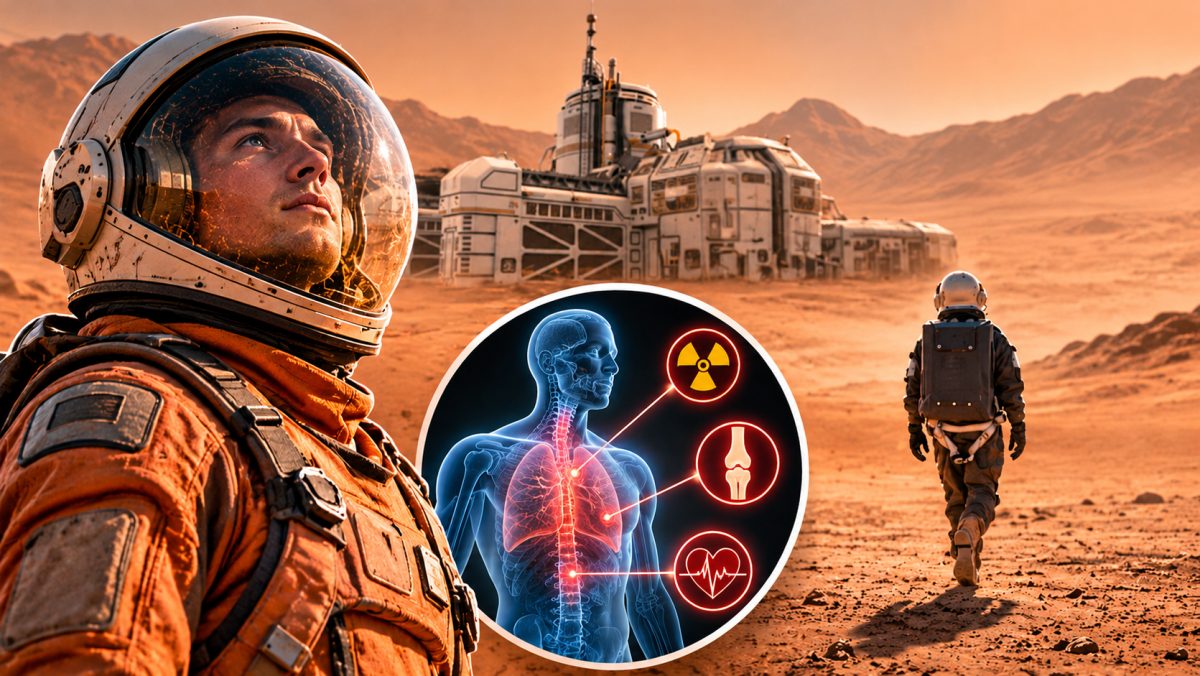
Mars doesn't offer the same protection Earth does. The planet has a thin atmosphere and no global magnetic field, which means it can't block space radiation the way Earth can. Reports suggest radiation exposure on the Martian surface averages somewhere between 40 and 50 times higher than what we experience here. That's a massive difference, and it's the reason scientists keep studying how radiation affects the human body over long missions.
The rat study that sparked this whole conversation found that radiation similar to what astronauts might absorb during a Mars mission was linked to extra scarring around tiny blood vessels in the heart. Scar tissue in those vessels isn't something to brush off, since it could affect how well the heart works over time. Researchers stress this finding came from animals, not people, so nobody can say for certain yet that astronauts would face the same fate. But it's enough to make the risk calculation a lot more serious.
Why A Mars Trip Takes So Long And Why That Matters
Part of what makes this risk so hard to swallow is the sheer length of the journey. A standard trip from Earth to Mars takes roughly seven to 10 months one way using current technology. Because Earth and Mars only line up well for fuel-efficient travel about every 26 months, a full round trip, including time spent waiting for the return window, can stretch close to three years.
That's years of exposure to radiation, isolation, and the physical toll of microgravity, all for a mission humanity hasn't even attempted yet. No human has set foot on Mars so far. Robotic missions like Curiosity and Perseverance have taught scientists a lot about the planet's surface and history, but sending actual people is still a future goal rather than a scheduled event. NASA shifted its near-term focus toward the Moon back in 2017 through what's known as Artemis, treating lunar missions as a stepping stone toward Mars sometime later, possibly in the 2030s, though no firm crewed Mars landing date has been locked in.
What This Means For The Future Of Mars Exploration
The poll results don't mean Mars exploration is dead in the water. They do show a gap between the dream of reaching another planet and the reality of what it might cost the human body. Space agencies and scientists are still working on solutions, including better spacecraft shielding and the idea of building shelters inside natural Martian caves or pits to block radiation exposure for future astronauts.
Until more research answers the biggest medical questions, public opinion is likely to stay split. Some people will always want to be among the first explorers, risks and all. But based on this poll, most readers would rather stay right here, in the wind and grass, than bet their long-term health on a multi-year trip to a planet humans have never walked on.