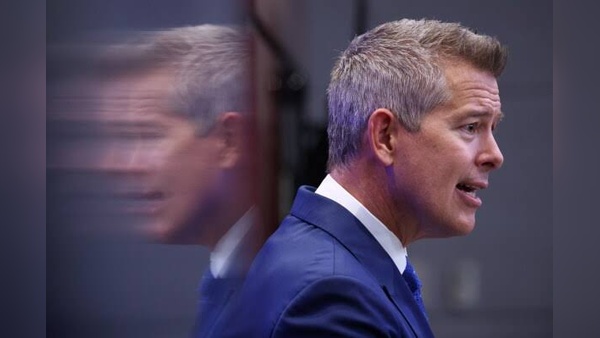

A single router problem triggered the worst air travel meltdown since 9/11, and now everyone wants to know who's really to blame.
Transportation Secretary Sean Duffy says the nationwide ground stop that grounded American air travel starting Friday, November 13, 2026, came from decades of underinvestment in aging FAA technology, not just a single contractor mistake. The chaos stretched through Sunday, November 15, canceling more than 15,000 flights and stranding hundreds of thousands of travelers across the country.
FAA Nationwide Ground Stop Nov 13 2026 Halts All US Flights
Sean Duffy Nationwide Ground Stop Timeline Explained
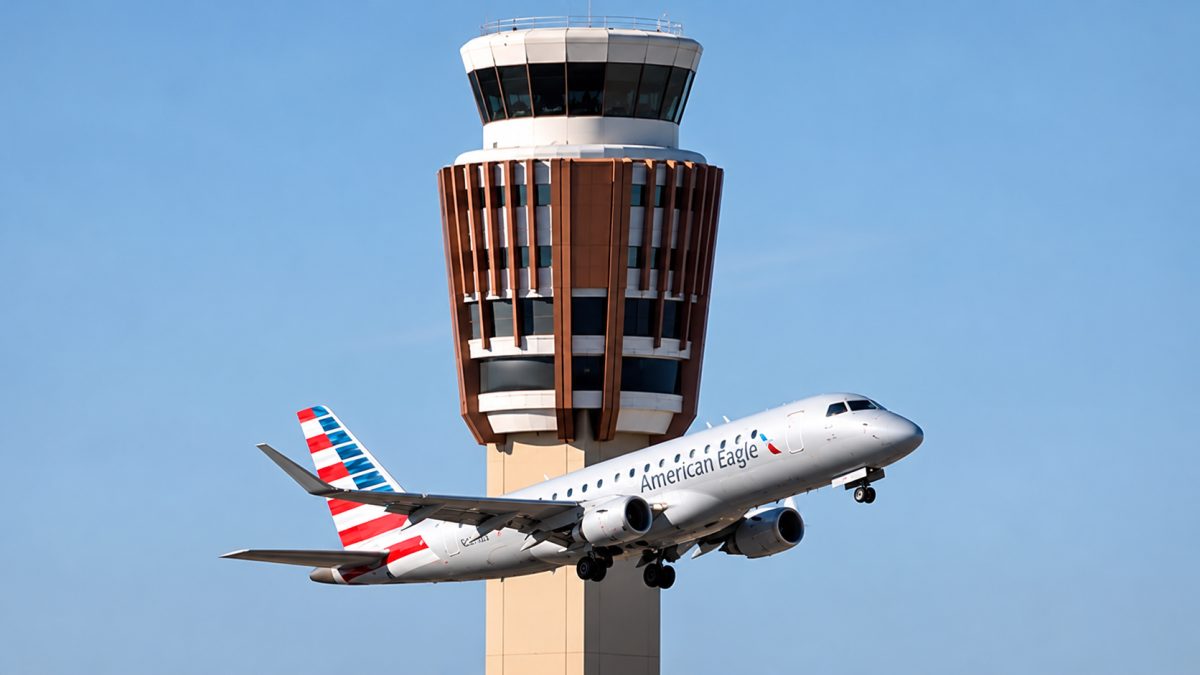
The FAA issued its nationwide ground stop at roughly 3:54 p.m. Eastern time on Friday. More than 3,500 aircraft were already in the sky when the order came down, forcing air traffic controllers to carefully guide those planes to safety while blocking any new departures from entering an unstable system. The shutdown lasted about four and a half hours, making it the longest nationwide halt to U.S. air travel since the September 11 terrorist attacks.
The airspace started reopening around 8:15 p.m. Friday, but the Transportation Department warned right away that things wouldn't snap back to normal. Planes, crews, and passengers were all out of position. That Friday alone saw about 12,000 commercial and private flights canceled. Even after thousands of flights resumed that night, the disruption rolled into Saturday and Sunday, with more than 5,200 flights affected on Sunday alone, including over 1,600 cancellations and nearly 4,200 delays according to tracking data.
Bitcoin Price Analysis November 14 2026: Why BTC Just Hit $65,000
What Triggered the FAA Telecommunications Failure
Officials traced the root problem to a routine telecommunications upgrade handled by contractor L3Harris Technologies. Workers were replacing old copper wiring with fiber optic lines when something went wrong. A newly installed or modified router started flooding other routers with data, overwhelming air traffic control centers and messing with both communications and radar information controllers depend on every single day.
The Transportation Department said the FAA acted out of an abundance of caution once it became clear the telecom issues were threatening the stability of systems used by air traffic control. Investigators still haven't nailed down whether this was contractor error, a hardware malfunction, or some combination of both. Duffy himself admitted there could have been mistakes made by L3Harris during the upgrade, though he stopped short of placing full blame there.
Duffy Blames Congress and Prior Administrations for Air Travel Halt
Duffy refused to apologize for the shutdown even though he acknowledged it happened during his time running the department. Speaking to reporters, he said, "It happened on my watch," while framing the deeper problem as something built up over generations of neglect. He put it plainly: "It goes back 20, 25, 30 years of a lack of investment."
When pressed on accountability, Duffy told CNN's Dana Bash, "I take responsibility for what was given to me by prior administrations." He also tried to keep the blame bipartisan, saying, "I can't blame Republicans or Democrats, because it's all of them." That response didn't sit well with everyone. Democrats pushed back, arguing the FAA already receives substantial funding and suggesting the real issue might be contractor oversight and management failures rather than a simple lack of cash.
Airlines and Passengers Scramble to Recover
The ripple effects hit airlines hard. Once planes and crews got scattered out of position Friday night, airlines spent the entire weekend trying to reposition aircraft, rebook passengers, and restore normal schedules. Even with more than 8,000 flight operations resuming the night of the ground stop, the backlog kept growing through Saturday and into Sunday.
Passengers bore the brunt of the confusion. Cancellations piled up, delays stretched on, and many travelers had no clear idea when their flights would actually leave. The sheer scale of the shutdown, hitting airports nationwide rather than just a handful of regions, turned this into one of the most disruptive weekends for American air travel in recent memory. It also intensified public scrutiny of the FAA, the Transportation Department, Congress, and L3Harris all at once.
Push for FAA Modernization Funding Moves Forward
Duffy predicted that Sunday would show real improvement and that operations would be fully normal again by Monday, November 16. But he was also clear that recovery wouldn't happen overnight, since airlines still needed time to get aircraft and crews back where they belonged.
Looking ahead, the administration plans to press Congress hard for billions in new funding to modernize the FAA's communications, radar, and air traffic control systems. Congress, meanwhile, faces its own set of tough questions. Lawmakers will need to examine whether current funding levels were ever adequate, how existing modernization money has actually been spent, and whether weak procurement or testing procedures allowed one contractor's router upgrade to cascade into a crisis that grounded flights across an entire country.