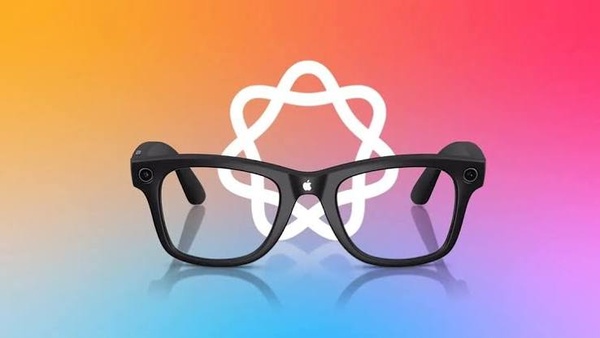

Apple is skipping the fancy screen and betting your glasses will just talk to your phone instead.
Apple is building its first smart glasses around Siri AI apps that tap into your iPhone, not a standalone display, according to Bloomberg's Mark Gurman. The company reportedly plans to unveil the glasses at WWDC in June 2027, with shipments following before the end of that year.
Touchscreen MacBook Pro 2026 Ends Apple's 20-Year Refusal to Bend
How Apple Smart Glasses Siri AI Apps Would Actually Work
The basic idea is simple. Instead of building brand new apps just for the glasses, Apple wants developers to let Siri reach into apps that already live on your iPhone. You'd speak a command, and Siri would handle the rest using the phone's software, not some separate glasses operating system.
Gurman described it this way: you could book an Uber, reserve a table, or order a coffee from your Apple Glasses, with the actual apps running on a paired iPhone. That's a big shift from how most people picture smart glasses working. There's no floating digital map or glowing icons hovering in your vision. It's closer to talking to your phone through your face.
Apple Warns Against iPhone Duo Walk-In Purchases Ahead of Store Launch Day
Why Apple Smart Glasses Skip The AR Display
Full augmented-reality displays are hard. They need powerful chips, big batteries, and lenses that can project images without looking strange. Apple apparently decided that stuff isn't ready for a first-generation product people will actually want to wear all day.
So the glasses, internally called N50, are expected to rely on cameras, microphones, and speakers instead. The cameras would let Siri understand what's around you. The microphones would catch your voice commands. The speakers would talk back. No screen means lighter glasses, longer battery life, and a lower price tag, though Apple hasn't confirmed any of those numbers publicly.
Employees reportedly call the project "AirPods for your face." That nickname says a lot. Apple isn't trying to replace the iPhone with these glasses. It's trying to build a lightweight accessory that makes the phone easier to use without pulling it out of your pocket.
Siri's Software Upgrade Timeline Leading To WWDC 2027
This plan didn't appear overnight. Apple had shown off more precise Siri control of app actions back in 2024, but that effort reportedly got rebuilt using newer AI models before it was ready for prime time. The real groundwork started showing up in November 2026, when the first iOS 27.3 beta introduced new controls letting Siri operate Apple's own apps more precisely.
Reports indicate Apple's own apps should get broader Siri support by December 2026. Third-party developers are expected to get their own tools sometime in 2027, letting them decide which specific app actions Siri gets to trigger. That developer rollout matters a lot, because without it, the glasses would only be useful for things Apple's own apps can already do.
Separately, Apple is also working on AirPods with cameras and sensors, expected around late 2027, which could use Siri in a similar way to understand your surroundings. That suggests Siri's new app-control abilities aren't just for glasses. They're becoming a broader Apple strategy across wearable devices.
What This Means For Developers And Everyday Users
For app makers, this approach lowers the bar for getting involved. Companies won't need to design a whole new glasses app from scratch. They'll just need to expose certain actions, like placing an order or checking a reservation, so Siri can call on them through natural language.
For regular users, the appeal is convenience. Imagine asking Siri to grab you a coffee order or book a ride while your phone stays buried in your bag. The catch is that none of this works unless individual services actually build support for it. Bloomberg's reporting frames rides, reservations, and coffee orders as example use cases Apple wants to enable, not features confirmed for launch day.
There's also the privacy question hanging over all of this. Glasses with always-available cameras and microphones raise obvious concerns about recording bystanders or collecting data without clear consent. Nothing in current reporting spells out what indicators Apple will use to show when the glasses are recording, or how long any captured data might be stored.
What Comes Next Before The 2027 Launch
The next milestone to watch is December 2026, when Apple's own apps are expected to gain deeper Siri integration. After that, developer tools for third-party apps should start rolling out sometime during 2027, setting the stage for the reported WWDC reveal in June.
Apple hasn't confirmed the N50 name, the WWDC timing, or any shipping date publicly. Everything here traces back to Bloomberg's reporting and outlets citing Gurman's newsletter. Still, if the timeline holds, Apple's first smart glasses would arrive not as a flashy AR headset, but as a quiet, voice-driven extension of the iPhone you already carry every day.