
A scandal involving Nvidia's former CEO has pushed Republicans and Democrats onto the same side of a fight over China and computer chips.
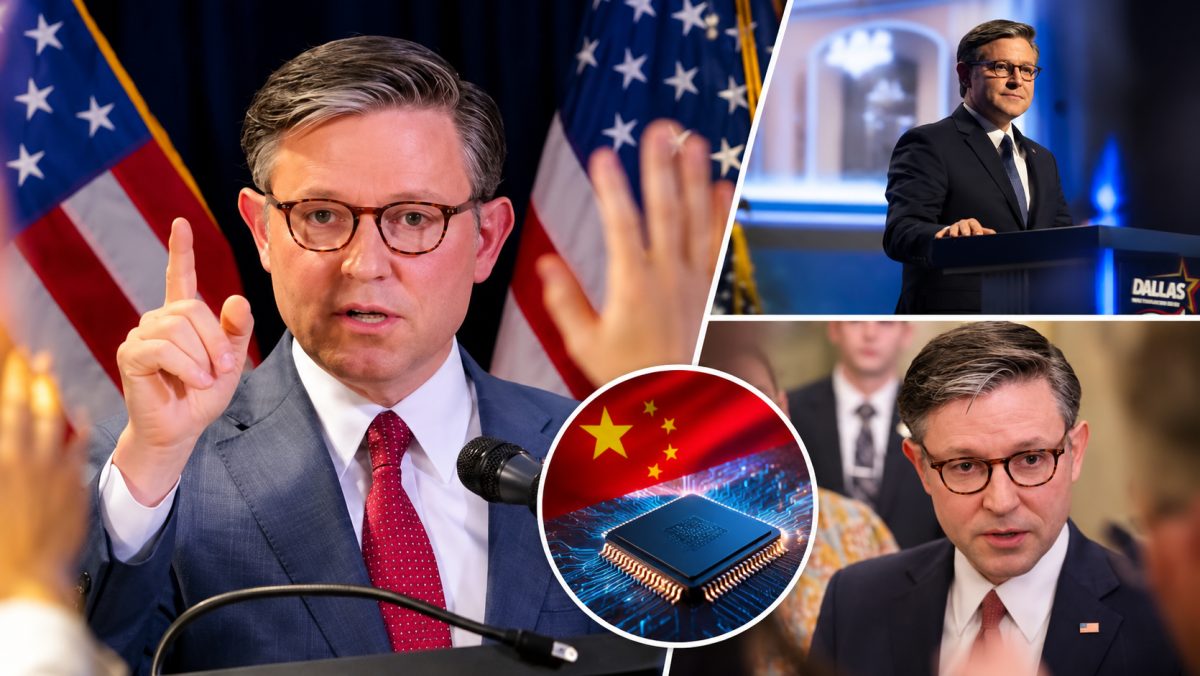
House Speaker Mike Johnson said on Thursday, November 12, 2026, that lawmakers in Washington are building bipartisan support for tighter limits on U.S. semiconductor exports to China. His comment came days after reports tied former Nvidia CEO Jensen Huang to a widening national-security controversy that has shaken confidence in how advanced AI chips reach Chinese buyers.
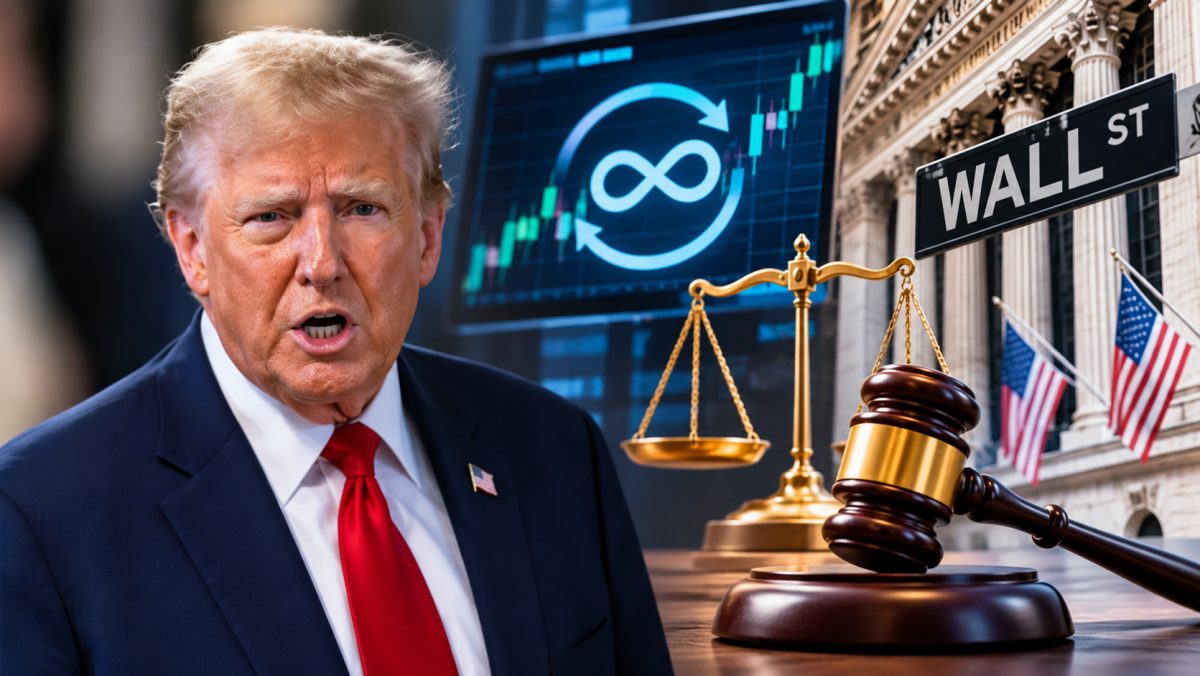
Trump Addresses Jensen Huang Chinese Spy Plot, Calls Nvidia CEO 'Brilliant'
Mike Johnson Chip Export Restrictions Gain Momentum on Capitol Hill
Johnson told reporters the issue had become one of the biggest topics in Congress right now. "The export controls on chips to China has been a big issue around here," he said, according to Reuters. He added that he personally backs new limits and sees lawmakers moving toward agreement fast.
"I'm in favor of limiting those exports, and I think there's a developing consensus in Congress that is an important position to take. Especially in the light of recent developments, it makes sense," Johnson said. Two days earlier, on November 10, Politico reported Johnson gave an even shorter answer when asked directly about chip restrictions tied to the year-end defense bill. "I support it," he said.
Bessent Says Europe Refused Tariffs on India, China Over Russian Oil
Congress Limiting Nvidia AI Chip Exports to China Through the NDAA
The main vehicle lawmakers are eyeing is the National Defense Authorization Act, the massive annual bill that funds the military and almost always passes before year's end. Reuters reported that several chip-control measures could get attached to this year's NDAA, though House and Senate negotiators had not reached a final agreement as of November 12.
Three measures already sit in the Senate's version of the bill. The AI Overwatch Act would give Congress a bigger say over changes to export licensing rules, making it harder for any future White House to quietly loosen restrictions. The Chip Security Act would force stronger tracking of where advanced chips end up after they leave U.S. shores. The MATCH Act would target loopholes tied to chipmaking equipment and shipments routed through third countries.
A fourth proposal, the Remote Access Security Act, addresses a different kind of workaround. Instead of buying physical chips, some Chinese AI firms have reportedly gained remote access to restricted computing power without ever importing the hardware itself. Reuters said this bill aims to close that gap directly.
Nvidia Scandal Involving Jensen Huang Fuels New Scrutiny
The spark behind this sudden burst of unity traces back to Jensen Huang's exit as Nvidia's chief executive. Media reports alleged Huang had an affair with a suspected Chinese spy, a claim that triggered fresh questions about whether Nvidia's China business created national-security blind spots. Reuters described the fallout as central to why lawmakers from both parties are now pushing harder for restrictions.
Adding to the pressure, separate reports claimed U.S. authorities had cleared Nvidia chip shipments to Chinese firms with empty offices and questionable backgrounds, while other reports said Chinese companies were renting access to Nvidia's top AI chips from inside China itself. Those stories suggested existing rules weren't stopping determined buyers, strengthening the case for lawmakers who wanted tougher action anyway.
Bipartisan Statements Signal Rare Agreement in Washington
What makes this moment stand out is how little disagreement there is between the parties. Semafor reported that House Speaker Mike Johnson and House Democratic Leader Hakeem Jeffries both favor stronger export controls, an unusual alignment in a Congress that rarely agrees on much. Senate Majority Leader John Thune went further, calling the odds of new restrictions a "high probability."
Senate Democratic Leader Chuck Schumer pushed for all three Senate measures to pass together, saying Congress needs to act "to cut off China's access to advanced American technology before it's too late." That kind of matching rhetoric from top leaders in both chambers and both parties is exactly why Johnson described a "developing consensus" rather than just his own opinion.
What Comes Next for Nvidia and U.S.-China Chip Policy
For Nvidia, the stakes are direct. If the AI Overwatch Act, Chip Security Act, and MATCH Act survive final NDAA negotiations, the company could face tighter licensing rules, closer tracking of its products overseas, and a shrinking set of workarounds for Chinese customers. That would land right as Nvidia is already managing the fallout from Huang's departure.
China has pushed back hard against what it calls a "Chinese spy narrative," warning Washington against piling on new chip curbs. Still, nothing is finalized. Reuters and Semafor both noted that House and Senate negotiators still need to agree on final NDAA language, and the exact shape of any new restrictions remains unsettled heading into the final weeks of the year. What is clear is that a scandal nobody predicted has turned a slow-moving policy debate into one of the fastest-moving fights in Congress right now.