
Rescue teams press into a fifth day of searching as Nepal's disaster agency confirms the flood toll has climbed sharply, with foreign tourists including Americans among thousands still unaccounted for.
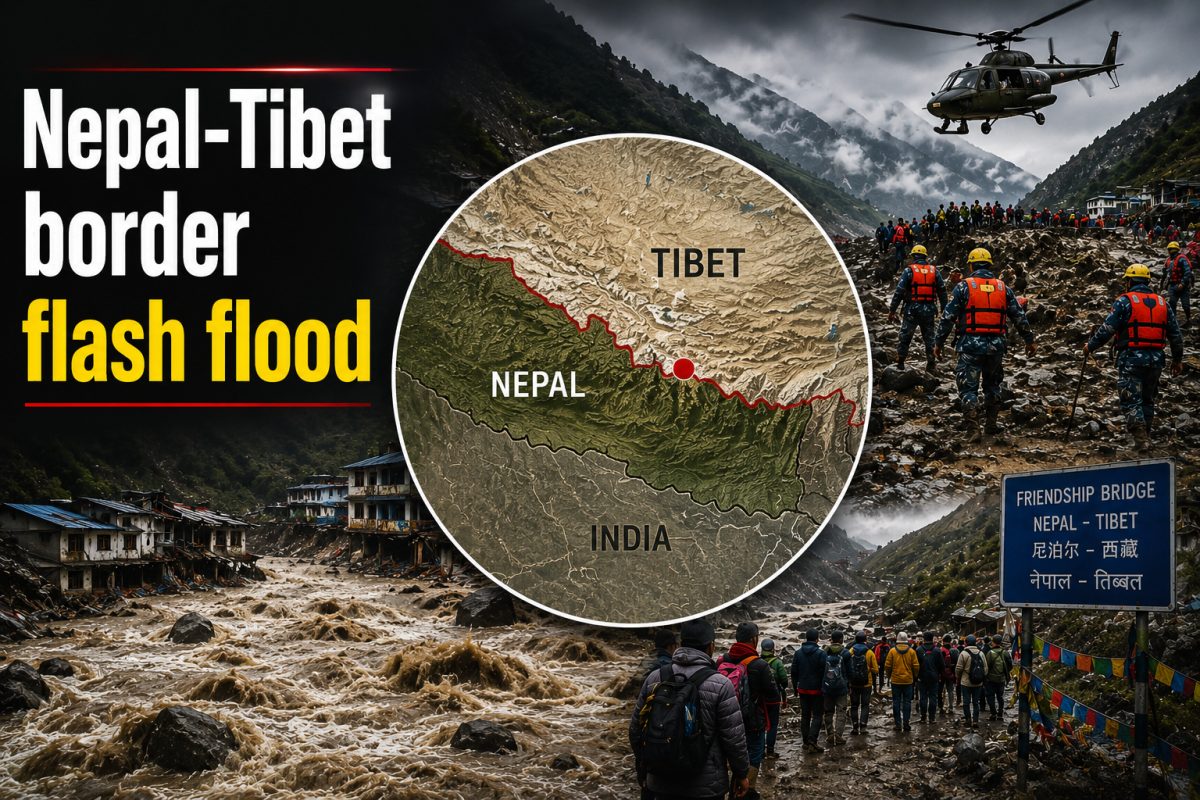
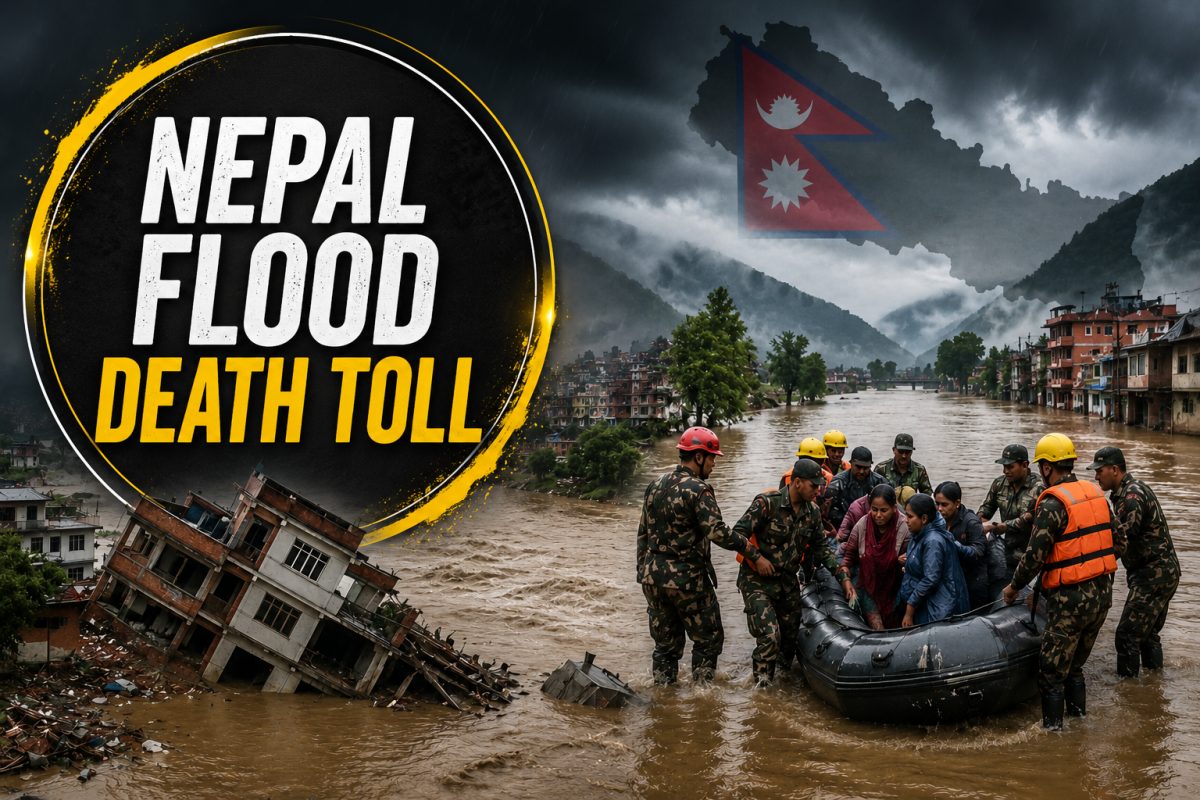
The death toll from catastrophic flash floods and mudslides along the Nepal-Tibet border rose to at least 675 people on Saturday, August 29, 2026, while nearly 2,500 remained missing across Nepal, according to the country's National Disaster Risk Reduction and Management Authority (NDRRMA). The disaster struck Wednesday, August 26, when a wall of mud and rock collapsed into a Himalayan river, unleashing a high-velocity surge of water and debris through border towns, trekking routes and valleys shared by Nepal and China's Tibet region. Rescue and recovery operations have now entered their fifth day, with more than 18,700 personnel deployed and helicopters serving as the primary means of reaching stranded survivors after roads and bridges were destroyed.
Nepal's disaster response agency also reported that more than 7,500 people have been rescued and at least 219 injured since the flooding began. Among the missing are large numbers of foreign tourists, including an estimated 90 Americans, according to law enforcement figures cited by NBC News. The scale of the disaster, and the pace at which casualty figures have grown, reflects the difficulty authorities face in reaching isolated communities cut off by destroyed infrastructure.
Casualty Figures Have Escalated Sharply Since Wednesday
The scope of the disaster has become clearer only gradually as rescue teams reach remote areas and authorities update registries of residents and travelers. Early reports on August 26 cited a much smaller toll, with Nepali police initially confirming 31 deaths and describing hundreds of people as missing. By the following day, figures had already multiplied, with one tally showing 157 killed and 403 missing, including 341 foreign nationals.
The numbers continued climbing through the week. By Thursday, August 27, authorities reported nearly 1,500 people missing across Nepal and China combined, including at least 800 foreigners. Nepal's own death toll reached 359, then 469, then 579 within a span of roughly 48 hours, according to police and disaster agency updates. The missing count in Nepal alone nearly doubled at one point, rising toward almost 2,000 people.
By Saturday, the NDRRMA's official count stood at 675 dead and more than 2,400 missing, with some reports describing the missing figure as "nearly 2,500." The New York Times reported the toll at 626 with missing above 2,400 in an update the previous day, illustrating how quickly the figures have moved even between consecutive news cycles. Officials have cautioned that these numbers remain fluid and are likely to change further as search teams clear debris fields and riverbanks.
Foreign Tourists Among The Missing In Himalayan Trekking Corridor
The flooding tore through what has been described as a popular tourist and trekking corridor, an area lined with hotels, lodges and riverside settlements catering to both domestic and international travelers. That has left a disproportionately large number of foreign nationals among the missing, complicating identification efforts as authorities attempt to cross-reference hotel logs, trekking permits and travel agency records.
American survivors have described the terrifying speed with which the flood arrived. One survivor recounted the wall of water and debris appearing suddenly, saying it "stood like a serpent right there staring at us." Other accounts describe a roaring sound preceding the surge, followed by buildings, vehicles and bridges being swept away within minutes, leaving people stranded on rooftops and hillsides to await helicopter rescue.
Massive Rescue Operation Relies On Helicopters As Roads Vanish
With most major roads and bridges destroyed across the affected corridor, helicopters have become the primary lifeline for reaching stranded survivors and evacuating the injured. Nepal's army has played a central role in the response, with a Nepali army barracks serving as the country's emergency response hub for coordinating rescues, logistics and body recovery.
Rescuers have pulled survivors from the wreckage caked in thick mud, airlifting them to safety in operations that have continued daily since the disaster struck. NBC-related reporting has also flagged a lake posing a new flood threat downstream, raising concern about additional flooding risk even as recovery efforts continue. Thousands of people have been evacuated from threatened zones, with temporary shelters and army facilities housing displaced residents.
International Aid And Climate Concerns Take Center Stage
The United States has pledged $3.6 million in humanitarian support, according to the State Department, including emergency food assistance for up to three months for 10,000 flood-affected families. The commitment reflects the scale of displacement and the ongoing needs of communities cut off from normal supply routes.
Nepal's foreign minister has called for a "global effort" to address climate change in the wake of the disaster, linking the flooding to broader concerns about warming trends destabilizing the Himalayas. Coordination with Chinese authorities in Tibet is ongoing to share missing-person lists and manage cross-border river risks, as both nations continue grappling with the human and infrastructural toll of one of the region's deadliest flooding disasters in recent memory.