
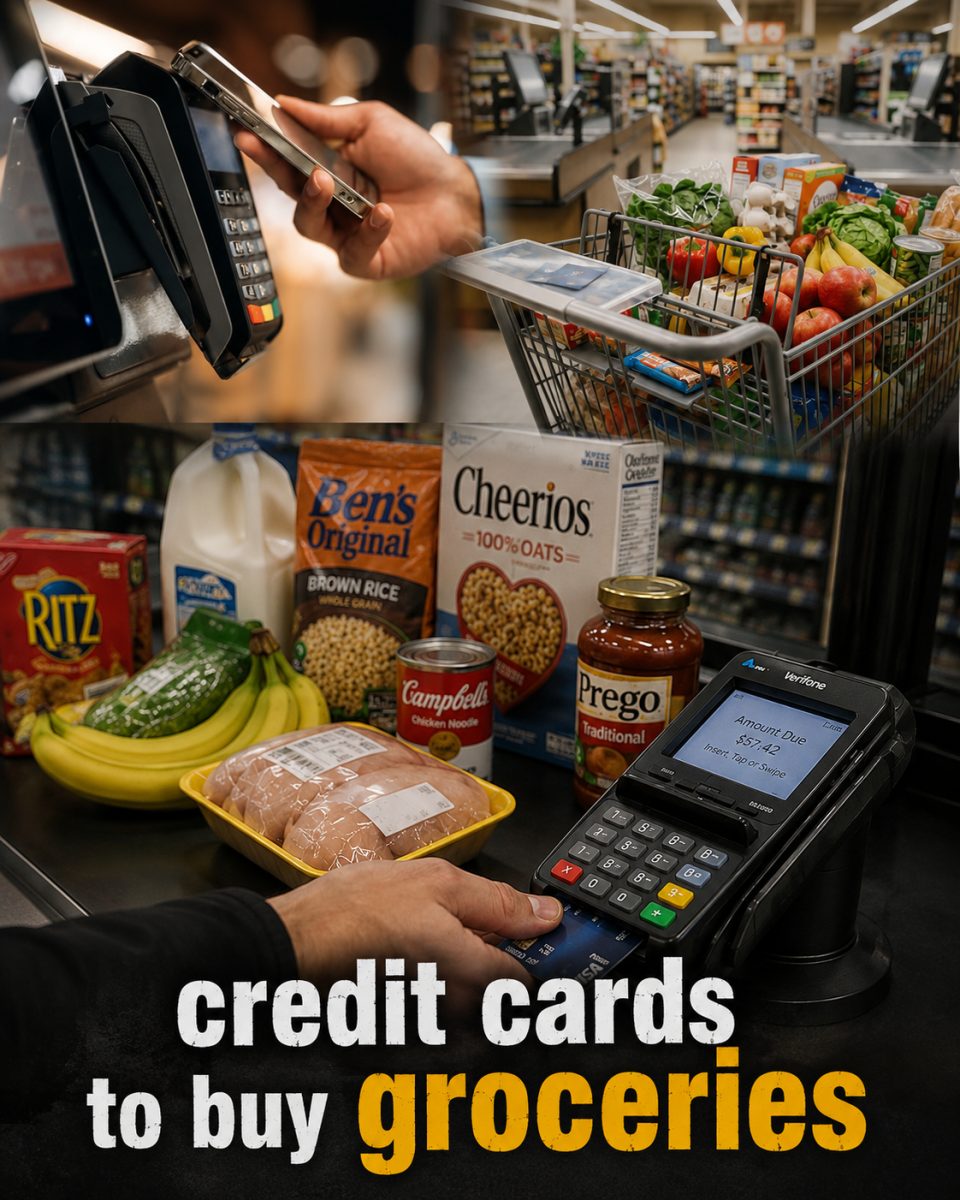

New survey and research data show credit has shifted from emergency backup to everyday necessity for millions of U.S. households buying food.
A newly reported consumer survey shows that credit cards have become a routine tool for buying groceries rather than a fallback reserved for emergencies, according to a story published August 22, 2026. The survey found that 66% of Americans carrying at least $10,000 in unsecured debt used a credit card to buy groceries in the past year, more than for any other essential expense. The finding, reported by outlets including KVIA and KIRO7, points to a broader pattern in which everyday food costs are increasingly financed through revolving debt rather than paid outright.
The story draws on multiple pieces of research published over the preceding months, including a June 2026 U.S. News & World Report survey on credit card habits and a July 2026 Urban Institute analysis of national data on how families afford groceries. Together, the findings describe a shift in how Americans use credit, with basic necessities — not discretionary spending — now driving much of the nation's credit card debt.
View this post on Instagram
Groceries Emerge as the Leading Driver of Credit Card Use
According to the June 26, 2026 U.S. News survey, 56% of Americans say they use credit cards mostly for basic necessities such as gas, groceries, childcare or utilities, rather than for discretionary purchases. When asked what primarily contributes to their credit card debt, 56% again pointed to basic necessities, while only 34% cited emergency or unexpected expenses as the main driver.
That data lines up with the more specific findings highlighted in the August 2026 story: among Americans carrying at least $10,000 in unsecured debt, 66% used a credit card to buy groceries in the last year, making food the most common essential expense charged to cards among this group. The reporting frames this as evidence that credit cards have moved from being a safety net to becoming, for many households, a primary method of covering food costs.
Urban Institute Data Shows Repayment Struggles Are Widespread
The Urban Institute's Well-Being and Basic Needs Survey, conducted in December 2025 among more than 10,000 adults and published as a research brief on July 13, 2026, offers a broader statistical picture. It found that 63.2% of working-age adults ages 18 to 64 used a credit card to pay for groceries in 2025.
Of that group, 34.9% paid their balance in full each month, while 19.6% paid less than the full balance but always made at least the minimum payment. Another 8.7% did not always make even the minimum payment. Combined, more than one in four working-age adults who used credit cards to buy groceries experienced some form of repayment difficulty, according to the Urban Institute's figures.
The same research found that nearly one in ten working-age adults used Buy Now, Pay Later services to pay for groceries, and about 34.8% of those BNPL users missed a payment. Separately, 5.2% of working-age adults used cash from a payday loan to buy groceries, and roughly 19.6% dipped into savings not intended for daily expenses to cover food costs at least once in the prior year.
A Pattern That Has Been Building Since at Least 2023
The 2025 findings extend a trend the Urban Institute first documented using 2023 survey data. A May 2024 analysis found that 60.5% of adults used credit cards to buy groceries that year, with 33.4% paying their bills in full, 20% paying less than the full balance while making minimum payments, and 7.1% failing to make even the minimum payment.
That earlier analysis also found that 17.8% of adults used BNPL services in the prior 12 months, with 3.5% specifically using BNPL for groceries, and 37% of those users missing a payment. The consistency between the 2023 and 2025 data suggests the reliance on credit and alternative financing for food has persisted, and in some measures grown, over roughly two years.
Rising Grocery Costs Add Pressure on Household Budgets
Related coverage has tied these borrowing patterns to sustained pressure on grocery prices, which multiple outlets have identified as a leading affordability challenge for U.S. households. A CNBC report from August 5, 2026, citing the Urban Institute analysis, noted that many consumers rely on credit cards for necessities such as groceries, with some unable to make even the minimum monthly payment.
The Urban Institute's own research brief states that families with low incomes, and those who reported the largest increases in grocery costs over the past year, were the most likely to take on debt to pay for food — a pattern the organization says could leave those households less able to meet other basic needs going forward. Separate Federal Reserve research on household economic well-being found that one in five BNPL users tapped the product specifically for groceries or food delivery, reinforcing that short-term credit products are increasingly directed toward covering everyday essentials rather than one-time or discretionary purchases.