
Modders have injected an unreleased Nvidia rendering technology into major titles, prompting fierce criticism over distorted visuals and steep performance losses.
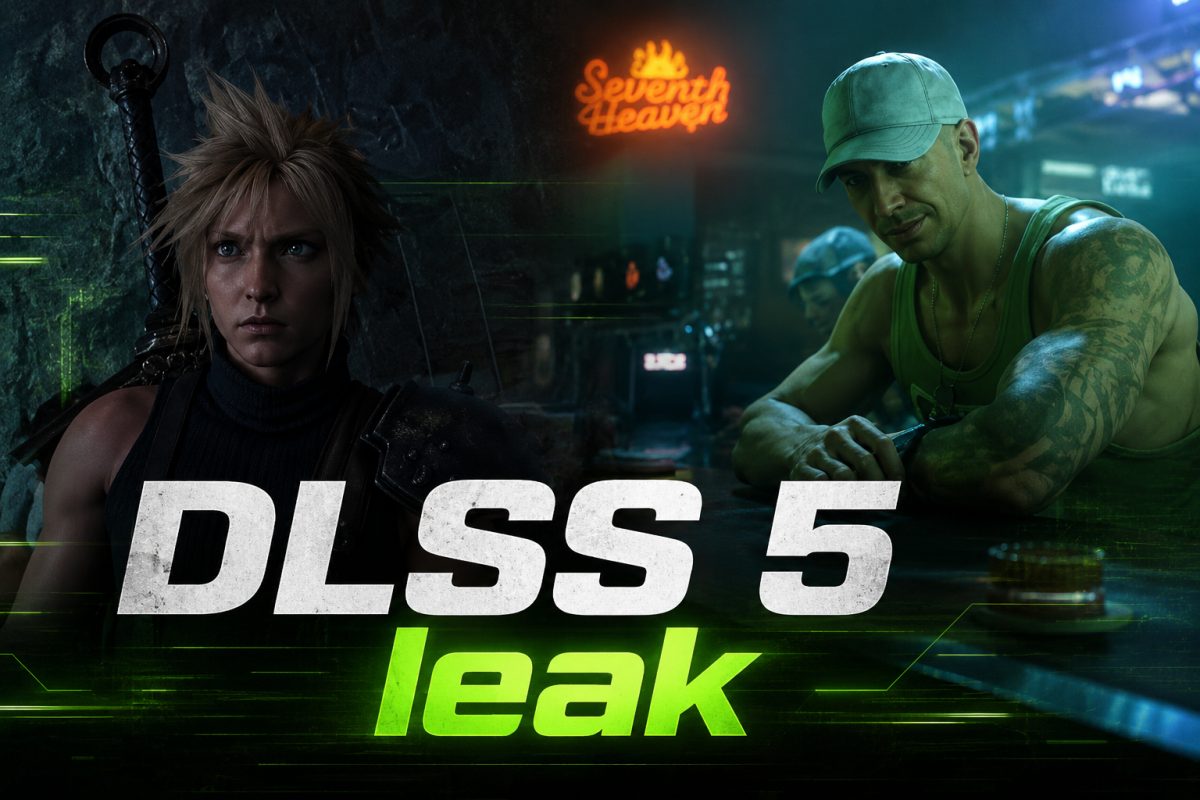
An unfinished, experimental build of Nvidia's DLSS 5 technology leaked online in late August 2026 after files were discovered inside an early access build of NBA 2K27, and within hours modders had forced the unreleased runtime into a wide range of games, including several major PS5 titles, producing altered faces, lighting and visual effects that many players and outlets have described in starkly negative terms. Push Square, a PlayStation-focused outlet, published a report on August 29, 2026, examining how the leaked filter has been applied to prominent PS5 games and arguing that the results clash with the visual identity of Sony's prestige, cinematic titles. The controversy centers on a file called nvngx_dlssnr.dll, version 310.8.0.0, which modders identified as containing the unreleased runtime for what Nvidia refers to internally as DLSS 5 Neural Rendering.
According to reporting from Kotaku, The Verge, Gizmodo and other technology outlets, modders on the RenoDX Discord server moved quickly once the file was uncovered, first getting the DLSS 5 runtime running in Remedy's Control before spreading it to numerous other games within a day or two. Titles reported to have received the modded filter include Skyrim, Final Fantasy VII Rebirth, Cyberpunk 2077, Red Dead Redemption 2, GTA V, The Last of Us Part II and Elden Ring, among others described broadly as "just about every game" the modding community could adapt the tool for.
GTA 6 Reportedly Running at 30FPS on Console During Development, Kotaku Says
How the Leak Reached Major PS5 Titles
The leak did not originate on PlayStation hardware or through any Sony-sanctioned channel. It emerged from an early access build of NBA 2K27, a cross-platform title, where the 158MB DLSSNR file was quietly bundled before being discovered and extracted by modders. Because DLSS is Nvidia technology built for PC graphics cards, there is no official or native way for it to run on the AMD-powered PS5 console itself.
Push Square's coverage instead focuses on the fact that many of the games receiving this modded filter on PC are also major PS5 franchises, meaning the visual transformation is being demonstrated using the same character models and art direction that PlayStation players recognize from console versions. The outlet frames this as a challenge to artistic control over flagship PlayStation-associated IP, even though the modding itself is confined to PC versions of these titles.
What DLSS 5 Neural Rendering Actually Changes
Unlike earlier DLSS versions, which focused on upscaling and image reconstruction while preserving a game's original art style, the leaked DLSS 5 implementation behaves more like an aggressive AI filter. Reporting from Gizmodo and Ground News indicates the model takes in a game's color and motion vectors for each frame and outputs a heavily reprocessed image, altering faces, lighting, shadows and overall scene tone.
Modders have exposed adjustable settings within the tool, including tone strength, local structure strength, skin structure strength and neural renderer intensity, according to reporting on the Control mod by developer Compusemble. These sliders allow varying degrees of transformation, but even moderate settings have produced faces described by Gizmodo as resembling "a crow's feet and laugh line generator," while other implementations produce smoother, waxier and more artificial-looking characters.
Performance Costs and Hardware Limitations
Beyond the visual controversy, the leaked build carries severe performance penalties. Multiple outlets, including BGR and TechSpot, report frame rate drops of roughly 40 to 60 percent when the filter is enabled, with one cited example showing Control's frame rate falling from 71 to 35 frames per second at 4K resolution on an RTX 5070 Ti. The experimental runtime is designed to work natively only on Nvidia's RTX 5000-series graphics cards, though some modders have found ways to force it onto RTX 40-series hardware through additional workarounds.
Tech writers have been careful to note that this is an unfinished, leaked build rather than a finished product, and that Nvidia has not issued detailed public comment specifically addressing the leak. An earlier Push Square report from March 2026 noted Nvidia's own description of DLSS 5 as a model anchored in a game's actual 3D content rather than a generic filter, a characterization that critics argue the leaked build's behavior appears to contradict.
Backlash From Players and the Modding Community
Reaction across gaming communities and technology outlets has been largely critical. Descriptions circulating online and in coverage from Kotaku, XDA Developers and GamesRadar characterize the results as "AI slop," "uncanny valley nightmares" and images of beloved characters turned into "complete weirdos." Push Square's own framing, reflected in its headline quoting player sentiment, states plainly that the filter "looks like dogsh*t" when applied to major PS5 games.
Modders themselves acknowledge the current build is unstable and not intended for practical use, treating it instead as an experimental sandbox for testing neural rendering concepts ahead of any official Nvidia release. Still, the episode has raised broader questions among players and journalists about how much control developers and platform holders will retain over the visual identity of their games if AI-driven rendering tools become more widely adopted, and whether companies like Sony would tolerate such dramatic third-party alterations to flagship titles in any future official capacity.