
Trump rejects returning to June peace framework as Tehran keeps Strait of Hormuz closed to shipping
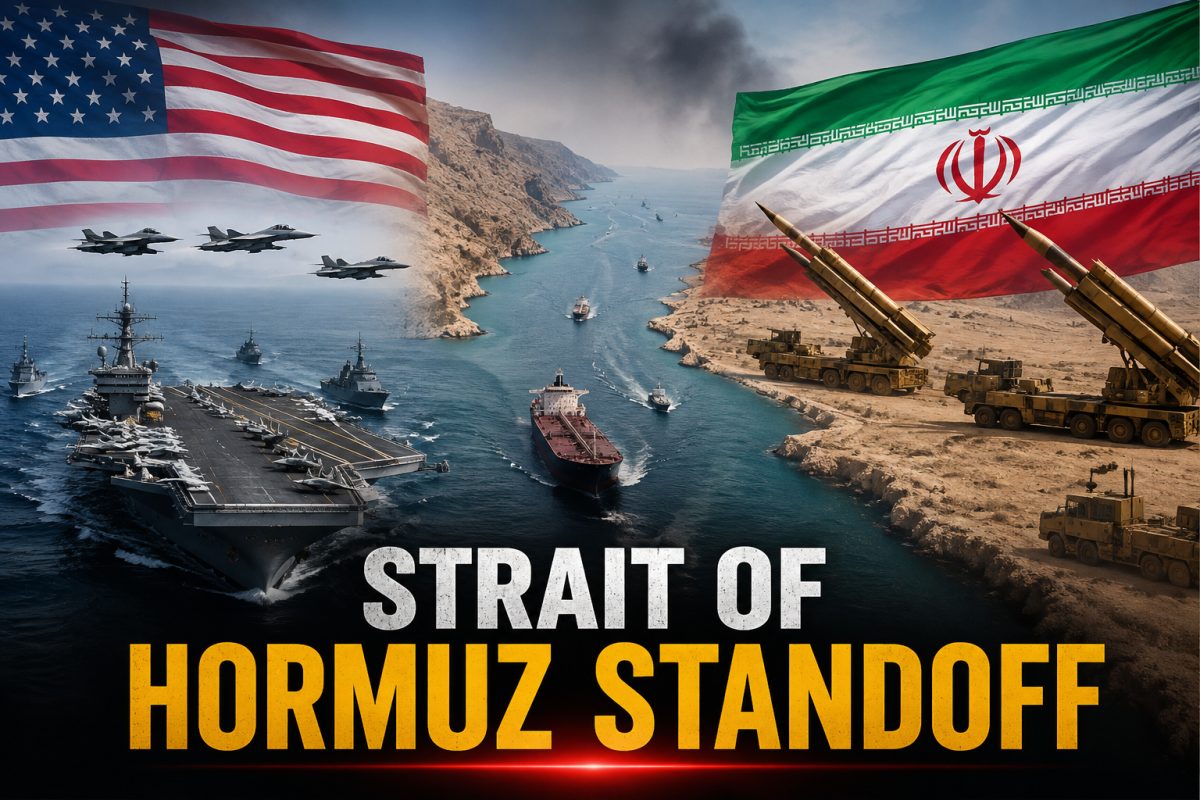
Six months after the United States and Israel launched strikes on Iran on Feb. 28, the conflict has settled into a hardened standoff, with President Donald Trump refusing to revive a June peace framework and Iran declaring that the Strait of Hormuz will remain closed until Washington meets its conditions. The impasse, described by Reuters as an emerging stalemate that could stretch well into 2027, centers on control of the narrow waterway through which roughly a fifth of the world's oil and liquefied natural gas once flowed before the war began.
The Trump administration has repeatedly told mediators it has no interest in going back to the terms of the memorandum of understanding reached with Iran in June, the Wall Street Journal reported, a stance that has complicated efforts to restart negotiations. Trump himself said Monday that no talks were underway or scheduled with Iran, according to Reuters, even as he insisted the strait remains open to commercial traffic — a claim Tehran directly disputes.
Collapse of the June Framework
The interim agreement, signed June 17 and sometimes referred to as the Islamabad Memorandum, called for the "immediate and permanent termination of military operations on all fronts," according to Reuters and NPR reporting on the full text. It set a maximum 60-day window for negotiating a final deal, extendable by mutual consent, and included provisions for reopening the Strait of Hormuz to commercial shipping, ending the U.S. naval blockade of Iranian ports, and releasing frozen Iranian assets.
That 60-day negotiating period has now expired, and the agreement has effectively collapsed, Reuters reported. Trump has said the deal is "over," while Iran has called it "suspended." Each side blames the other for the breakdown: Washington accuses Iran of failing to honor commitments to reopen the strait, while Tehran says the U.S. reneged on promises to lift the port blockade and unfreeze Iranian funds.
Iran's Conditions and Threats of Escalation
Iranian officials have told Reuters that the U.S. must meet the entirety of the memorandum's provisions within a few weeks as a precondition for further negotiations. A senior Iranian official warned that Tehran will escalate tensions in the Strait of Hormuz and beyond, and could launch an attack, if the U.S. fails to fully implement the interim deal within that timeframe.
Iran's top negotiator, Mohammad Baqer Qalibaf, said in comments published by state media that the strait will remain shut until Washington meets the June deal's conditions, including lifting the blockade. The Islamic Revolutionary Guard Corps has separately stated that Hormuz will not reopen until the U.S. returns to the June terms, according to secondary reporting cited by the Jerusalem Post. Iran has also linked any reopening to broader demands, including an end to sanctions and compensation-related grievances tied to decades of conflict.
Trump, in turn, has said Iran would not get the deal it wants and should surrender, according to Reuters, while separately demanding that Iran pay compensation for people killed in wars, attacks and protests — a rhetorical escalation that has further complicated diplomatic efforts. Asked whether the U.S. was seeking to extend the interim deal, Trump indicated he would not do so.
Disruption at Sea and Rising Economic Costs
Reuters described the standoff as "energy trench warfare," noting that dueling Iranian and U.S. actions have sharply curtailed shipping through the strait, with energy markets held hostage and inflation elevated. Data cited by Reuters showed fewer than 20 commodity vessels transiting the waterway over one weekend in late August, and separate reporting noted shipping traffic through Hormuz had slipped below its 10-day average.
Fox News, citing the International Maritime Organization, reported that at least 6,000 sailors remained stranded aboard hundreds of ships in the Persian Gulf six months into the war, and that 19 seafarers had been killed since the conflict began. The UK Maritime Trade Operations Centre has documented 23 projectile strike incidents in the strait since early July, according to Fox News reporting.
The Trump administration has responded by intensifying economic pressure rather than pursuing direct talks. Treasury Secretary Scott Bessent announced an expansion of secondary sanctions targeting entities and countries maintaining business ties with Iran, Reuters reported, even as oil prices dropped despite the new measures.
Diplomatic Efforts Through Oman Continue
Separate from the stalled U.S.-Iran track, Iran and Oman have been discussing a proposed framework to establish a temporary navigational corridor through the Strait of Hormuz along with a joint project to clear mines from the waterway, CNBC and Reuters reported. The U.S. has not yet embraced the arrangement as presented.
Trump has continued to publicly assert that the United States has "complete control" over the Strait of Hormuz, telling reporters, "The strait is open. As you know, the Strait of Hormuz is open. We have control and we have the blockade. Iran is not getting anything, nothing is going through, not one ship has gotten through." That characterization stands in direct contrast to Iran's insistence that the waterway remains closed under its own terms, and to Reuters data showing sharply reduced vessel traffic, underscoring how far apart the two sides remain six months into the conflict.