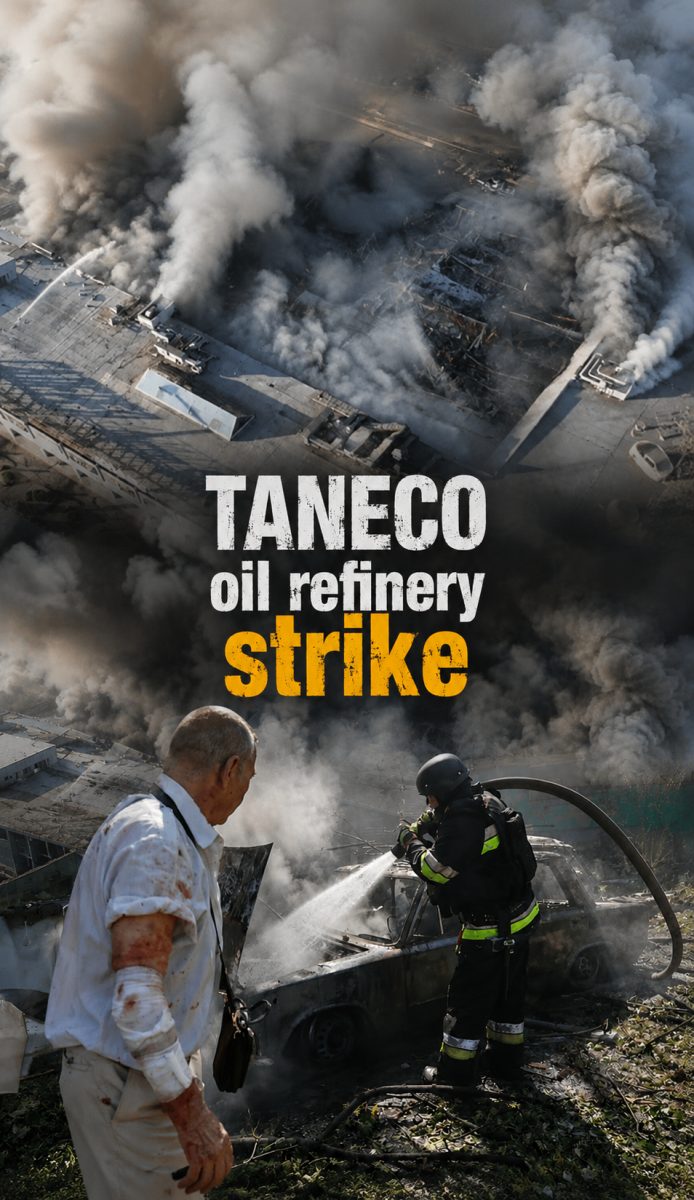
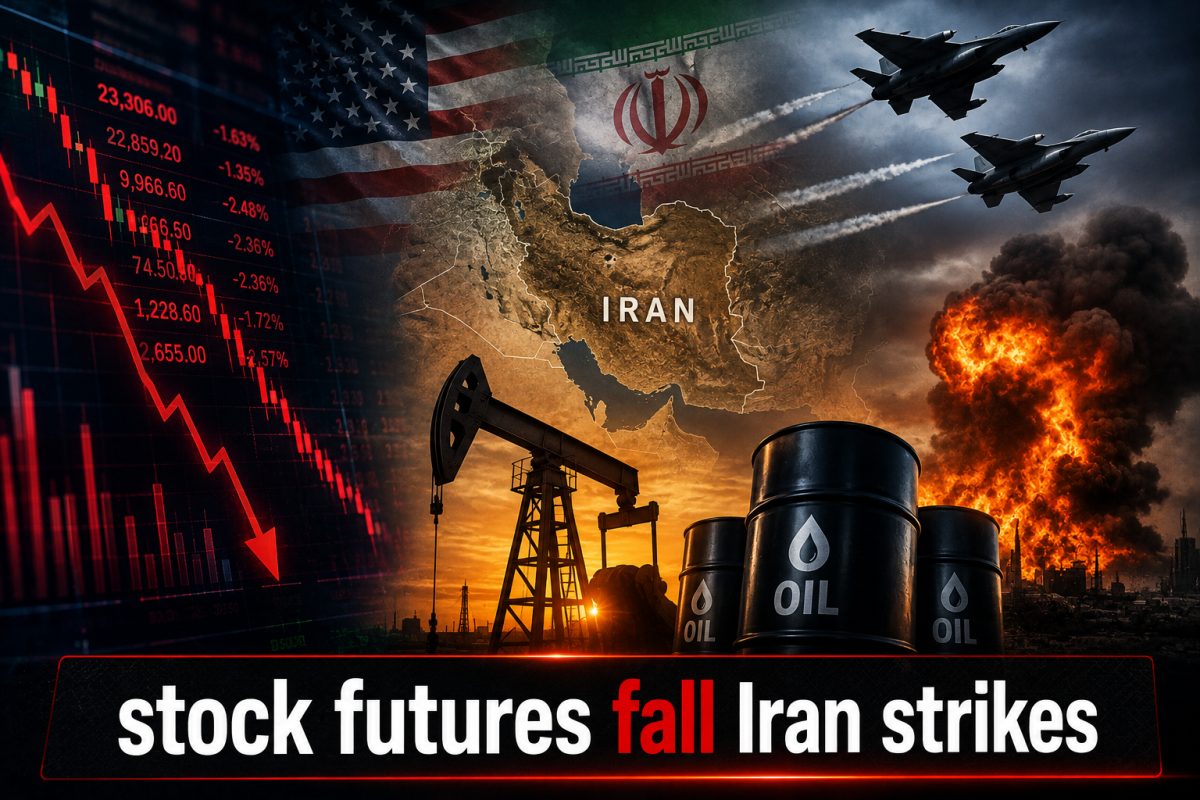

New US military strikes on Iran sent stock futures lower and oil prices sharply higher, though major indices remained on pace for monthly gains.
US stock futures fell and oil prices jumped after American forces carried out new strikes against Iran, an escalation that markets interpreted as the end of a prior ceasefire between Washington and Tehran. Dow Jones futures moved solidly lower, S&P 500 futures declined, and Nasdaq futures led the drop as investors shifted into a risk-off posture. Despite the sudden pullback, Wall Street remained on track to close the month with gains, with major indices coming off recent record or near-record levels before the latest flare-up.
The reaction unfolded as President Donald Trump declared that the US-Iran ceasefire was “over” following renewed hostilities, a statement that multiple outlets tied directly to the drop in futures and the spike in crude prices. Coverage from CNBC, Bloomberg and Investor's Business Daily consistently described the episode as a classic risk-off move: weaker equity futures, a stronger dollar, and surging oil, all driven by fears of a wider Middle East conflict and potential disruption around the Strait of Hormuz.
Strikes Reignite Fears Over Strait of Hormuz
The renewed hostilities centered on the Strait of Hormuz, the critical waterway that carries a substantial share of global oil exports and has repeatedly become the flashpoint for market volatility throughout 2026. Reports describe clashes between US and Iranian forces or proxies around the strait, with the exchanges forming part of a broader pattern of escalations and de-escalations that has rattled traders for months.
In one earlier episode, Trump said the United States would restart a blockade on Iranian ships transiting Hormuz and begin charging other cargo moving through the waterway, a move that intensified fears of a supply disruption and pushed oil prices higher. In a separate instance, Trump warned that an escalation of strikes on Iran could come as soon as Tuesday, a statement that overshadowed hopes for a ceasefire and helped drive US crude above $112 a barrel.
Oil Prices Surge Across Multiple Flare-Ups
Crude oil has repeatedly spiked in response to Iran-linked tensions throughout the year. Brent crude jumped more than 7% during one weekend escalation and topped $80 to $83 a barrel as blockade threats and ceasefire-ending rhetoric intensified. In another episode tied to a Hormuz tension flare-up, Brent rose about 6%, topping $114, pulling equities down from all-time highs.
US crude, or WTI, surged above $100 a barrel during one particularly acute war-risk episode, though it retreated from overnight peaks as Group of Seven nations reportedly considered releasing strategic petroleum reserves to calm the market. That coordinated policy discussion underscored how seriously global policymakers viewed the potential energy shock stemming from the conflict.
Equities Pull Back From Recent Record Highs
The stock market's reaction has been notable for its consistency across separate flare-ups. In one episode, almost 400 shares in the S&P 500 fell before the index pared its losses after Trump indicated he did not believe the conflict would return to all-out war. In another, the S&P 500 fell 0.52% and the Dow Jones Industrial Average shed 272.63 points, or 0.51%, as investors weighed intensifying Middle East tensions alongside hawkish signals from the Federal Reserve.
Asian markets mirrored the pattern, with the MSCI Asia Pacific equities gauge falling and technology shares leading declines during one Iran-linked sell-off. The dollar strengthened against major peers in several of these episodes, a traditional safe-haven move, while risk-sensitive currencies such as the Australian dollar and South African rand underperformed.
Inflation Worries Fuel Fed Rate-Hike Bets
The surge in oil prices has repeatedly stoked concerns about inflation, feeding directly into market expectations for Federal Reserve policy. Money markets priced in roughly 50% odds of a July rate hike after Fed Governor Christopher Waller said officials may need to raise interest rates to tame price pressures tied to rising energy costs.
Global bonds fell alongside equities in several of these episodes, reflecting the same inflation-driven repricing. One Bloomberg market wrap also noted Bitcoin sinking amid the broader risk-off move triggered by US-Iran jitters. Despite the volatility, coverage has consistently emphasized that the pullbacks represent pauses within a stronger uptrend, with Wall Street still positioned to finish the month higher even as the latest strikes on Iran renewed uncertainty over energy markets and the broader economic outlook.