
A fake TV ad about a free caregiver named Sister turned into one of the most talked-about sketches of the year.
The SNL Sister sketch aired November 14, 2026, during John Mulaney's hosting episode, and within days it became a national conversation about who really takes care of aging parents in America. The sketch poked fun at a painfully real pattern: sons who call, and daughters who show up.
Why Was Carnival Row Canceled? The Real Reason Prime Video Ended It
How The SNL Sister Sketch Came Together On Screen
The sketch is built like a commercial. It sells a product called Sister, pitched as a breakthrough in elder care. She is live-in, available 24 hours a day, and completely free. The twist, of course, is that Sister isn't a company. She's just somebody's actual sister.
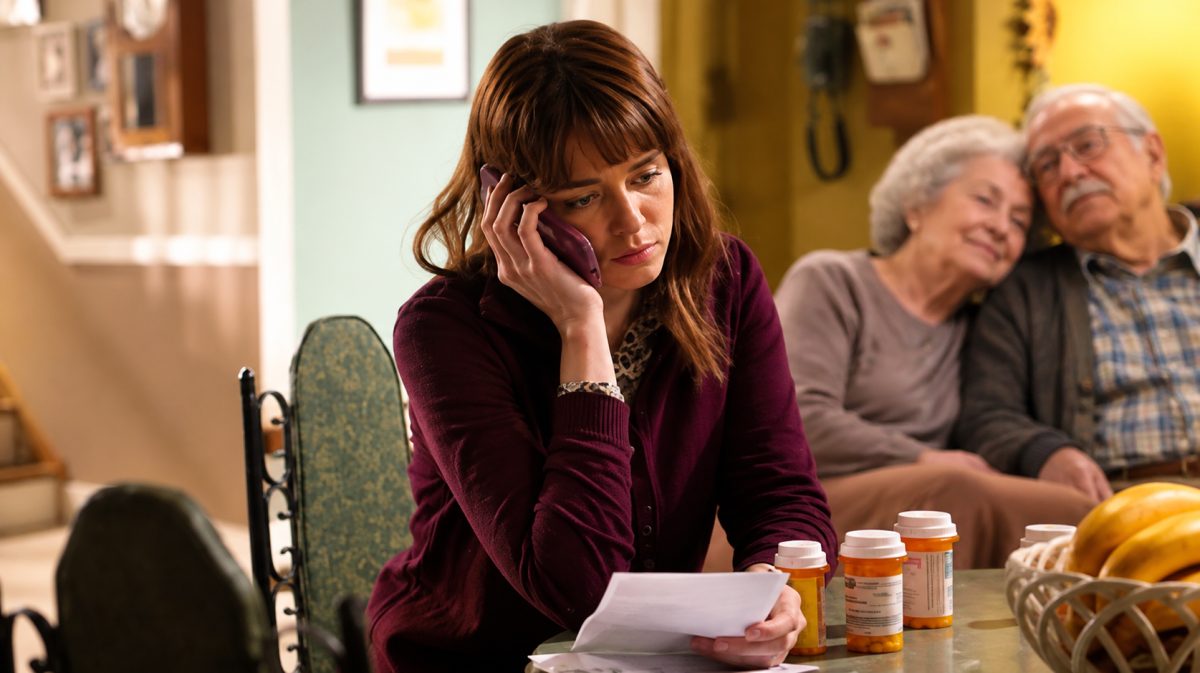
John Mulaney plays the pitchman and a brother leaning on this setup for his own father. Jane Wickline plays the sister who ends up doing everything, while Tommy Brennan plays the dad who needs care and Ben Marshall plays her husband. Andrew Dismukes and Kenan Thompson show up as other brothers cheering the whole arrangement on, happy that someone else is handling it.
The jokes pile up fast. Sister handles meals, meds, hygiene, cleaning, rides to appointments, pharmacy calls and insurance headaches. One running bit has a brother texting just two words, "dad fell," and Sister drops everything to respond. It's exaggerated, but according to caregivers who watched it, not by much.
Why Producers Are Leaving California Even With Bigger Tax Credits on Offer
SNL Sister Sketch Healthcare Policy Angle Gets Real Attention
Reporters quickly connected the comedy to something bigger than a family joke. The Washington Post's November 20 analysis argued the SNL Sister sketch healthcare policy angle was the real punchline, pointing out that Medicare generally doesn't pay for everyday help like bathing, dressing or meal prep, even though it covers plenty of other medical care for older adults.
That gap matters because it's exactly the gap families fall into. Medicaid can help cover long-term care, but only for people who qualify under strict, state-by-state income rules. For everyone else, families are left to figure it out themselves, often by leaning on one relative who absorbs the workload without pay, training or backup.
Mikey Day plays a doctor in the sketch who explains the whole setup as the result of "years of internalized sexism" that convince women caretaking is their job and nobody else's. It's a blunt line, but it's the thesis of the entire sketch packed into one sentence.
Why The SNL Sister Sketch Caregiving Message Hit So Hard
People didn't just laugh. Many said watching it felt uncomfortably familiar. HuffPost reported that the sketch struck a nerve with women who recognized their own lives in it, down to the phone calls, the schedule juggling and the quiet resentment of doing it all alone.
The New York Times linked the sketch directly to research published in the American Sociological Review by sociologist Angelina Grigoryeva, which found daughters and daughters-in-law are far more likely than sons to take on intensive, hands-on caregiving. CNN cited research pointing to a roughly 70-30 split, with women shouldering most of the burden.
NPR reported that AARP and the National Alliance for Caregiving estimate about 63 million Americans provide ongoing care for a family member or friend, and roughly three in five of them are women. That unpaid labor rarely shows up in any economic count, even though it holds families together.
Numbers Behind The Viral Moment And What Experts Say Is Driving It
The sketch didn't just trend, it exploded. One entertainment outlet reported the clip hit 85.5 million views, making it the season's single biggest digital hit on the show so far.
NBC News spoke to experts who trace the caregiving crunch back to three forces hitting at once: an aging population sometimes called the "silver tsunami," rising healthcare needs among older adults, and family structures that look nothing like they did decades ago, with two-income households and relatives often living far apart. Fewer people are around to help, and the ones who do help are stretched thinner.
Therapists quoted in coverage pointed out that the physical work, cooking, cleaning, driving to appointments, is only half the story. There's also a mental load: tracking prescriptions, fighting with insurance companies, catching problems before they become emergencies. That invisible planning rarely gets counted as work at all, even though it eats up hours every week.
What The Backlash And Praise Reveal About America's Elder-Care Gap
No federal agency or official Medicare spokesperson has issued a formal response to the sketch, based on available reporting. What's clear instead is that journalists across very different outlets, entertainment, health and personal finance, landed on the same conclusion from different angles.
The Los Angeles Times framed it as finally saying out loud what families already whisper about privately. The San Francisco Chronicle focused on the financial side, noting how much money families save by relying on unpaid relatives instead of paid home care or facilities. Taken together, the coverage suggests the sketch didn't invent a problem. It just gave a name, Sister, to a system that already existed and rarely gets discussed this openly.
Whether this moment pushes any real policy conversation forward is still unknown. But for now, the SNL Sister sketch has done something rare for a five-minute comedy bit: it made millions of people stop and ask who's really paying the price for caring for aging parents, and why it almost always seems to be a daughter.