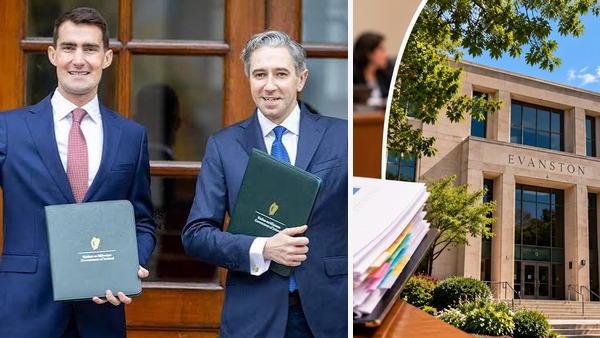

Evanston leaders are stuck on how to fix the city's money problems without cutting too many jobs.
Quick Summary: Evanston's Finance and Budget Committee asked City Manager Luke Stowe to revisit his 2027 budget staffing proposal on Oct. 7, 2026, as the city faces a projected $12 million deficit and searches for lasting payroll savings.
CMS Fires Superintendent Crystal Hill Days Before Criminal Probe Into $2.1 Billion Budget Surfaces
Why The Evanston 2027 Budget Staffing Proposal Hit A Wall
Evanston has a big money problem. The city expects a budget gap of about $12 million for 2027. City Manager Luke Stowe shared a preview of his new budget plan on Oct. 5, 2026. It included some tax hikes and spending changes meant to close that gap.
But when the Finance and Budget Committee looked closer on Oct. 7, they weren't happy with how the staffing plan worked. They didn't just want fewer workers on paper. They wanted a clear plan showing exactly where and why jobs would be cut.
The deficit: Evanston faces a projected $12 million shortfall for 2027. The vacancy plan: Stowe's proposal assumed a 3% staff vacancy rate to save money.
Supply cuts: The budget also included about $897,000 in service and supply reductions. The request: Committee members asked Stowe to take a second look at how staffing cuts were chosen.
What The City Already Tried And Rejected
Before this budget preview came out, the City Council already said no to two other cost-cutting ideas. Both involved paying workers to leave their jobs early.
Early retirement incentive: This was for employees under the Illinois Municipal Retirement Fund. Voluntary separation program: This covered retirement-eligible workers in IMRF, police, and fire pension systems.
Estimated savings: Staff said these programs could save almost $2 million in the first year and about $500,000 each year after that. Council's decision: On Sept. 14, 2026, the council chose not to move forward with either program.
Arkansas Finance Secretary Urges Lawmakers to Fully Fund Medicaid
The Real Disagreement Behind The Evanston Budget Staffing Cuts
This isn't really about whether Evanston needs to cut costs. Everyone agrees on that part. The fight is about how to do it the right way.
Deputy Chief Financial Officer Clayton Black explained it during a Sept. 2 meeting. He said, "This program (voluntary separation for employees) alone will not address the structural deficit, but it's one of many tools that we can use to control personnel costs."
Some council members want the city to look harder at specific jobs instead of just offering buyouts to anyone who qualifies. Ald. Matt Rodgers said the city should look at cuts "through vacant positions, through positions that are duplicative of others or where [staff] might be able to rearrange departments in order to make things line up better."
Ald. Clare Kelly agreed that the city needs to do the hard work of looking at staffing and determining which positions could go.
Two Different Paths Forward
Broad incentives: Offer money to eligible workers who want to retire or leave on their own. This can work fast but nobody knows how many people will actually take the deal. Targeted restructuring: Look job by job at empty positions, overlapping roles, and departments that could be reorganized. This takes longer but may create savings that last.
The committee's pushback on Oct. 7 suggests many members favor the second path. They want proof that any staffing change will actually fix the deficit long term, not just patch it for one year.
What Happens Next With Evanston's 2027 Budget
The draft budget moves to the full City Council on Oct. 12, 2026. That meeting kicks off the formal review process where council members can ask more questions, suggest changes, and eventually vote.
Oct. 5, 2026: Stowe released the budget preview. Oct. 7, 2026: Finance Committee reviewed the plan and asked for changes to staffing.
Oct. 9, 2026: Evanston RoundTable reported on the committee's request. Oct. 12, 2026: Full City Council hears the proposed budget.
Nobody has confirmed a final number of jobs to be cut. The city hasn't said which departments would be affected most. Those details should come out as the budget process continues through October and likely into November.
What's clear right now is this: Evanston wants real, lasting fixes to its money troubles, not quick patches that leave the same problem for next year.