
A Nobel win and a sanctions order landed on the same day, and that was no accident.
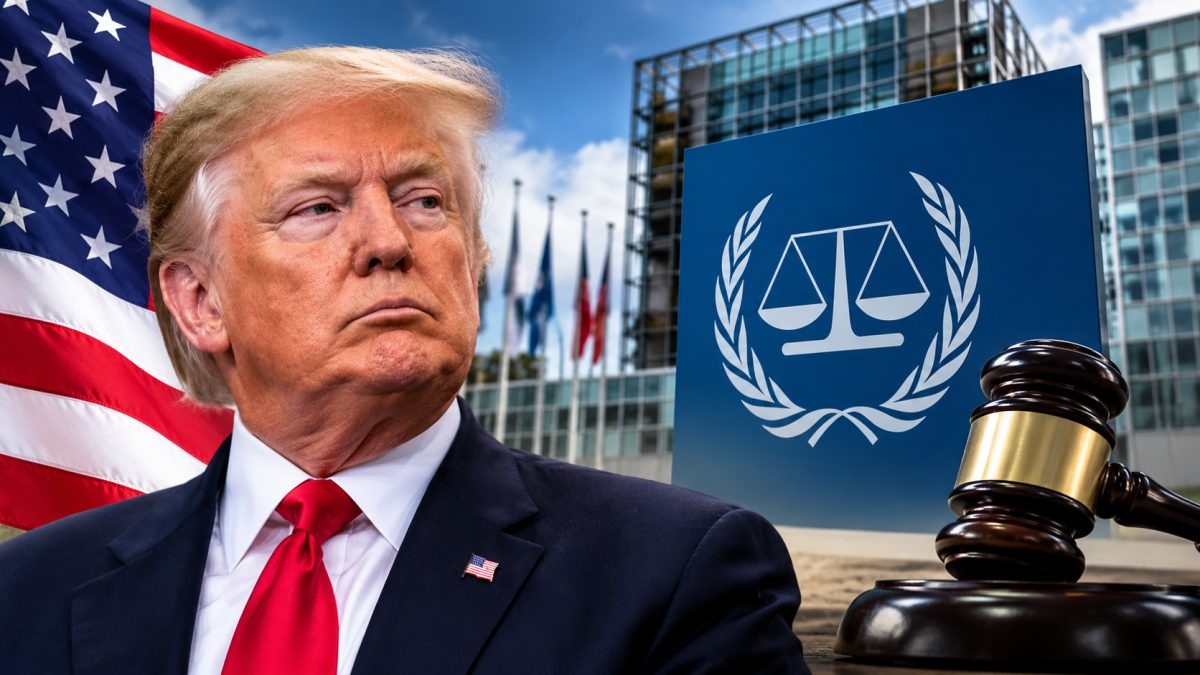
Quick Summary: On October 9, 2026, the Trump administration announced Trump ICC sanctions 2026, cutting the International Criminal Court off from US financial services and technology. The move came hours after former ICC judge Navi Pillay won the Nobel Peace Prize, triggering sharp criticism from the court and US allies.
Trump SpaceX Bonds Bought Days Before Big Space Policy Drop
Trump ICC Sanctions 2026: What Exactly Happened
Secretary of State Marco Rubio announced the sanctions on Friday, October 9, 2026. The timing stunned many people. Just hours earlier, the Norwegian Nobel Committee named Navi Pillay, a former ICC judge from South Africa, as the winner of the 2026 Nobel Peace Prize.
Who announced it: Secretary of State Marco Rubio and the State Department confirmed the sanctions on October 9, 2026. What it does: It blocks the ICC from using US-based financial services, technology, and transactions.
Wind-down period: A six-month grace period applies before the full transaction ban kicks in. Exceptions: The Treasury Department issued four general licenses allowing limited transactions for communications, software, pensions, and detainee matters.
Rubio's Reasoning Behind the Move
Rubio said the sanctions were meant to stop the ICC from going after Americans. He said, "President Trump will never allow the International Criminal Court to prosecute Americans." He also added, "We will ban transactions with this rogue court, cutting off their resources and crippling its ability to operate."
Trump Vows Iran Will Be Hit 'Very Hard' Over Flydubai Cockpit Attack, But Evidence Remains Elusive
Who Is Navi Pillay and Why Her Nobel Win Matters
Navi Pillay is a South African jurist. She served as an ICC judge and later became a top United Nations human rights official. Her work touched some of the world's toughest cases, including Rwanda, Myanmar, and Gaza.
Early career: Pillay has a long history defending human rights, including work tied to Nelson Mandela's imprisonment. ICC service: Reports place her time as an ICC judge starting in 2003, though sources differ on whether it ended in 2008 or 2012.
Nobel recognition: The Nobel Committee honored her for efforts to uphold international law and push for prosecution of war crimes, crimes against humanity, and genocide. Reaction from Israel: Her win drew a sharp, critical response from Israel, which has long opposed ICC actions tied to its conduct.
A Pattern of US Pressure on the ICC
This was not the first US move against the court. Human Rights Watch said the Trump administration had already sanctioned 13 ICC staff members before this latest action.
Earlier targets: Nine ICC judges, key prosecutors, and the court's president, Tomoko Akane, were sanctioned before October 2026. Other targets: Palestinian human rights groups and UN special rapporteur Francesca Albanese also faced US sanctions. September 2026 warning: Trump had already called the ICC an "out-of-control institution" and urged member countries to quit the court.
How the World Is Reacting to the ICC Sanctions
The ICC pushed back hard. In a statement, the court called the sanctions "an assault on the rule of law and on the very foundations of the international legal order, which strikes at the simple principle that no one stands above the law."
ICC Deputy Prosecutor Nazhat Shameem Khan said the sanctions would not stop the court's work, according to reports following the announcement.
Support: Israel backed the US decision. Opposition: The United Nations, the European Union, and countries like Britain, France, Germany, Japan, and Canada condemned the sanctions. Diplomatic strain: The move puts Washington at odds with many of its closest allies, who still back the ICC's mission.
Founded in 2002, the ICC exists to prosecute war crimes, crimes against humanity, and genocide when national courts cannot or will not act. The US never joined the Rome Statute that created the court, and it has long rejected ICC claims of jurisdiction over American citizens, especially in cases tied to Afghanistan and Israeli-Palestinian territories.
With the six-month wind-down period now running, companies and service providers must decide how to handle their dealings with the ICC. The court says it plans to keep working, but it may need to lean more on European and other member states for support going forward.