
A huge Australian stock debut just vanished days before it was set to happen.
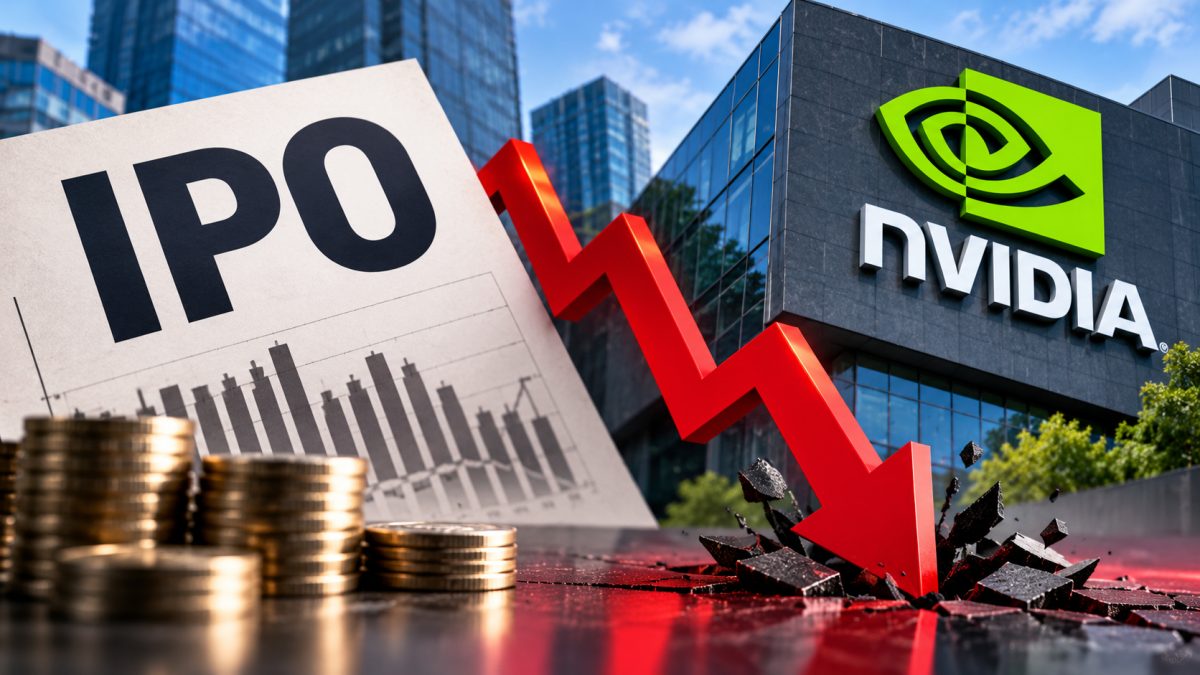
Quick Summary: Firmus, an Nvidia-backed AI data-centre company, cancelled its ASX IPO on October 9, 2026. The deal would have raised roughly A$7.1 billion (US$5 billion). Weak demand and valuation doubts pushed the company toward private funding instead.
Nasdaq Hits Record High as Nvidia and Microsoft Surge, But Is the Rally Too Narrow?
What Happened With The Firmus IPO
View this post on Instagram
Firmus builds data centres for AI computing. It planned to list on the Australian Securities Exchange in a deal worth about A$7.1 billion, or roughly US$5 billion. That would have made it one of the biggest listings in Australian history. But just two weeks before shares were set to start trading, the company pulled the plug.
Deal size: The offer aimed to raise approximately A$7.1 billion, equal to about US$4.9 to US$5 billion. Timing: Firmus withdrew its ASX application on Friday, October 9, 2026.
Scale: Some reports called it potentially Australia's biggest listing in about three decades. Reason given: The company pointed to "recent market volatility and prevailing market conditions."
Why The Firmus IPO Fell Apart
Investors simply were not buying in at the price Firmus wanted. The company had originally hoped for a valuation above US$30 billion. As interest cooled, bankers reportedly looked at cutting the price and the valuation down to around US$30 billion. Instead of lowering the price to chase buyers, Firmus walked away from the public markets entirely.
Valuation worries: Investors questioned whether Firmus was really worth what it was asking. Debt concerns: Reports noted investor unease about Firmus's debt load and expansion costs.
One firm opted out: At least one investment firm told the BBC it skipped the deal over valuation concerns. Nvidia link wasn't enough: Even with Nvidia as a backer and chip supplier, that support didn't fully ease investor doubts.
Firmus IPO Cancelled: What Happens Next
Firmus says it isn't giving up on raising money. It's just changing the route. The company confirmed, "Firmus will now pursue capital from the private markets and consider alternative public and private market options."
Private round in talks: Bloomberg reported Firmus and its advisers are discussing a private raise of US$2 billion to US$3 billion with existing investors. Big-name backers: Firmus's investor list includes Nvidia, Blackstone, and Jane Street. Nvidia's stake: Nvidia reportedly owns about 7.2% of Firmus.
Past funding: In August 2026, Firmus raised US$2 billion from Nvidia, Coatue Management, Blackstone, and Jane Street, pushing its valuation above US$10.5 billion at the time. Future plans: Founders reportedly plan to explore more private funding, with a possible Nasdaq listing considered for next year.
Firmus IPO Timeline At A Glance
August 2026: Firmus raises US$2 billion, valuation tops US$10.5 billion. Early IPO plans: Company initially eyes a valuation above US$30 billion. October 7, 2026: Bankers reportedly consider cutting the offer price and valuation.
October 9, 2026: Firmus officially withdraws its ASX listing application. After withdrawal: Firmus turns to private markets, discussing a US$2-3 billion raise.
Why This IPO Failure Matters For Australia and AI Investors
This isn't just a story about one company. The Firmus IPO was supposed to be a landmark moment for Australia's stock market, adding a major tech player to a shrinking list of public companies. Reuters reported that investors saw the collapse as a setback for the country's capital markets.
Firmus's board said the proposed deal terms did not reflect "the strength of its business and long-term growth outlook," adding that the board "concluded that proceeding with the offer was not in the best interests of the company and its shareholders."
For the wider AI industry, the failed listing shows public markets are getting pickier about AI data-centre valuations. It doesn't mean AI spending is slowing down. It means investors want proof, not just promises, before paying sky-high prices for AI infrastructure stocks.
Why AI Stocks Are Quietly Squeezing the Rest of the Market Out of the Rally