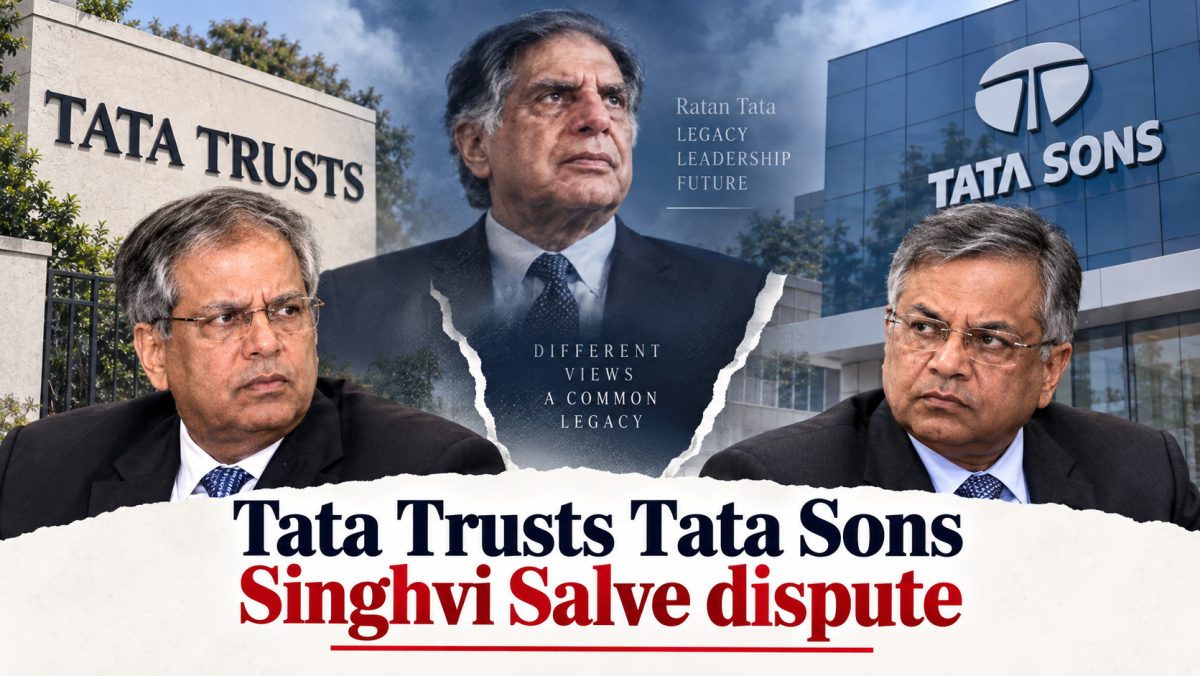

Two senior advocates who once stood shoulder to shoulder for Tata Sons in the Cyrus Mistry litigation are now leading opposing camps in a governance war threatening to reach India's apex court.
Mumbai, September 21, 2026: A high-stakes governance dispute between Tata Trusts and Tata Sons has produced an extraordinary courtroom realignment, with senior advocates Abhishek Manu Singhvi and Harish Salve now representing opposite sides of a battle over the reappointment of N Chandrasekaran as Tata Sons chairman and the group's proposed public listing. According to a report published by the Times of India on September 21, 2026, Singhvi has emerged as the public face of Tata Trusts' challenge to recent Tata Sons board decisions, while Salve is defending Chandrasekaran and the board that reappointed him. The reversal is striking because both lawyers appeared together for Tata Sons in the Cyrus Mistry case, a dispute that ended with the Supreme Court validating the very governance structure now at the center of this new fight.
Maharashtra Charity Commissioner Kaloti Rules on Tata Trusts Governance Disputes
How the Rift Erupted at the Tata Sons Boardroom
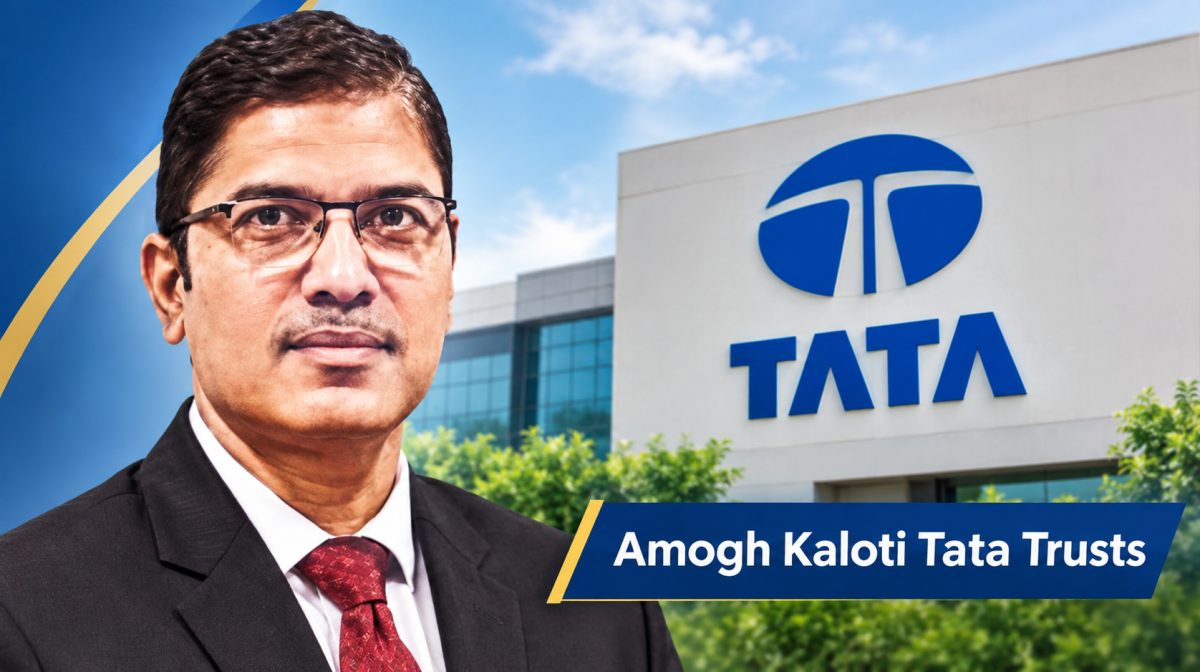
The immediate trigger was a Tata Sons board meeting held around September 17-19, 2026, at which directors reappointed N Chandrasekaran as chairman and reaffirmed plans to list Tata Sons as a public company, according to multiple reports including Moneycontrol and Fortune India. Noel Tata, chairman of Tata Trusts and a Tata Sons board member, opposed the move but was reportedly outvoted, a development that Tata Trusts and its allies have characterized as a direct affront to the Trusts' governance role within the group.
Tata Trusts collectively hold approximately 66% of Tata Sons' equity, according to Fortune India and YouTube coverage of the dispute, a stake that has historically translated into affirmative-voting or veto-like rights over major decisions under Tata Sons' special Articles of Association. Within days of the board meeting, Tata Trusts appointed Singhvi as lead counsel, while it emerged that Salve, along with senior advocate Ravi Kadam, had already been advising Tata Sons and Chandrasekaran, according to Moneycontrol and the Straits Times.
Tata Motors Launches €3.82 Billion Tender Offer For Iveco Group
Singhvi and Salve Trade Legal Arguments in Public
Singhvi has taken his case directly to the public, writing that disputes between Tata Trusts and Tata Sons "can only have legal solutions" and arguing that the Supreme Court's 2021 Tata-Mistry ruling, which he says gave the Trusts primacy over Tata Sons, "seems to have been selectively forgotten," according to his statements cited by Moneycontrol and Fortune India. He has further warned that the "fundamental rights of shareholder-owners cannot be nullified in the manner in which they have been," referencing Noel Tata being outvoted at the board meeting, and has described the episode as posing "a severe threat to corporate governance across the country."
Salve has offered a starkly different reading of the same facts. Speaking to media outlets including Livemint and the Economic Times Legal desk since September 17, Salve said he is advising Chandrasekaran and described Tata Sons' legal position as "legally perfect." He has argued that "no company can function in deadlock" and that Tata Sons "has to turn into a public company," contending that a global institution of its scale cannot be run by a handful of trustees and requires transparency alongside professional oversight. Salve has also pointed to regulatory pressure, including an RBI listing directive, as a factor pushing Tata Sons toward public company status, according to Livemint's reporting on September 19.
The Long Shadow of the Cyrus Mistry Verdict
The current standoff cannot be separated from the Tata-Mistry litigation of 2016 to 2021, in which Tata Sons removed Cyrus Mistry as executive chairman, triggering years of tribunal and Supreme Court battles. In January 2020, the Supreme Court stayed an NCLAT order reinstating Mistry within seconds of hearing arguments, with both Salve and Singhvi appearing for Tata Sons, according to Times of India's 2020 coverage. The Supreme Court's final 2021 judgment upheld Mistry's removal and validated the special rights tied to Tata Trusts' majority shareholding, including the affirmative-vote mechanism embedded in the Articles of Association, as noted in reporting by Gujarat Samachar's English edition.
That verdict is now being invoked by both camps for opposite purposes. Singhvi frames it as proof that the Trusts hold primacy over Tata Sons and that the board's recent actions violate the spirit of the ruling. Salve, by contrast, emphasizes the judgment's endorsement of a functioning board capable of decisive action, arguing it supports Tata Sons' authority to proceed with Chandrasekaran's reappointment and the listing plan. Both lawyers even appeared together as recently as May 2022, when the Supreme Court dismissed review petitions in the Mistry matter, according to LawBeat, underscoring how recently they were aligned before this latest split.
What Happens Next in the Courts and Boardroom
Tata Trusts are preparing to escalate the matter to the Supreme Court, with Singhvi as lead counsel expected to challenge the validity of Chandrasekaran's reappointment and question whether the Tata Sons board can proceed with listing without Trust concurrence, according to Gujarat Samachar and Moneycontrol. Tata Sons, meanwhile, has already fortified its legal team with Salve and Kadam, signaling readiness for a prolonged courtroom contest.
The dispute is being closely watched by market and governance analysts, with Singhvi casting it as a test case for shareholder-owner rights across Indian corporate law, and Salve positioning it as a necessary step toward modernizing a systemically important conglomerate. Neither position has yet been tested or endorsed by a court in this specific matter, and no new Supreme Court ruling has been issued as of late September 2026. What is certain is that the outcome will shape not only Tata Sons' ownership architecture but also broader expectations for how controlling shareholders and boards navigate power at India's largest business houses.