
Energy analysts say pipeline damage and Middle East conflict are set to push U.S. fuel prices sharply higher in the coming days.
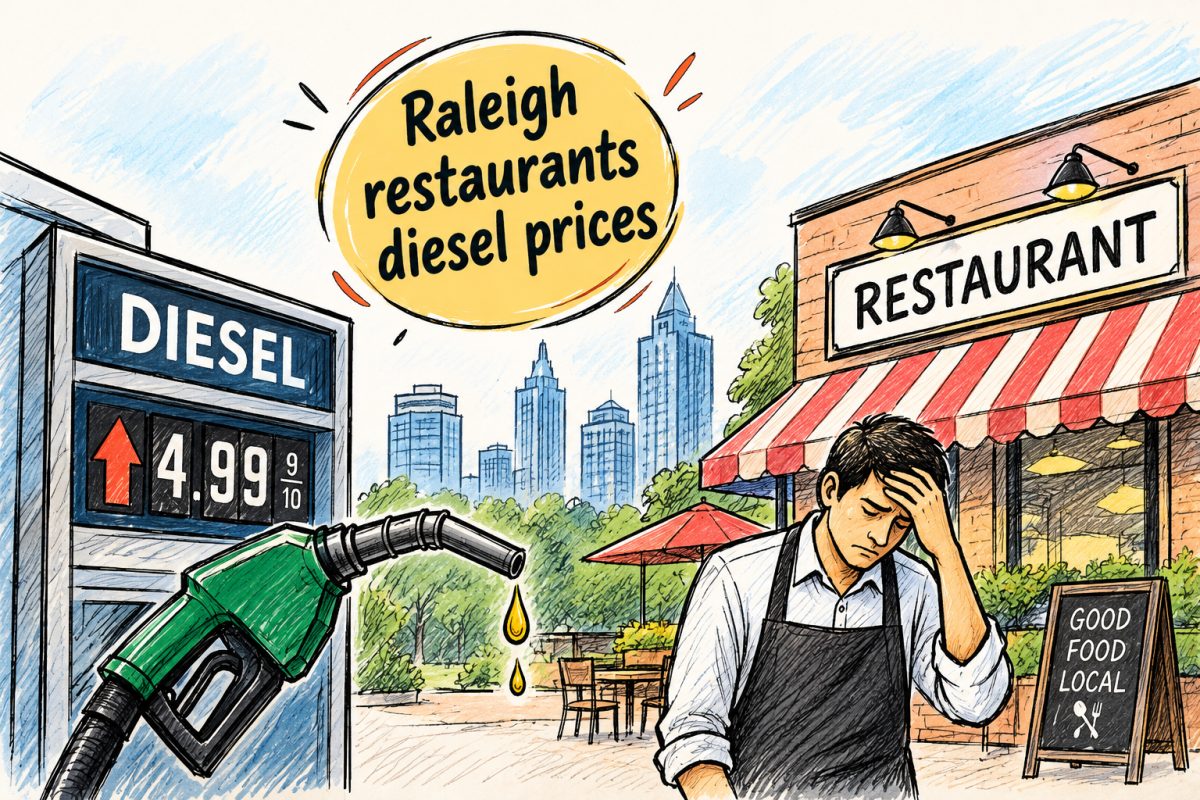
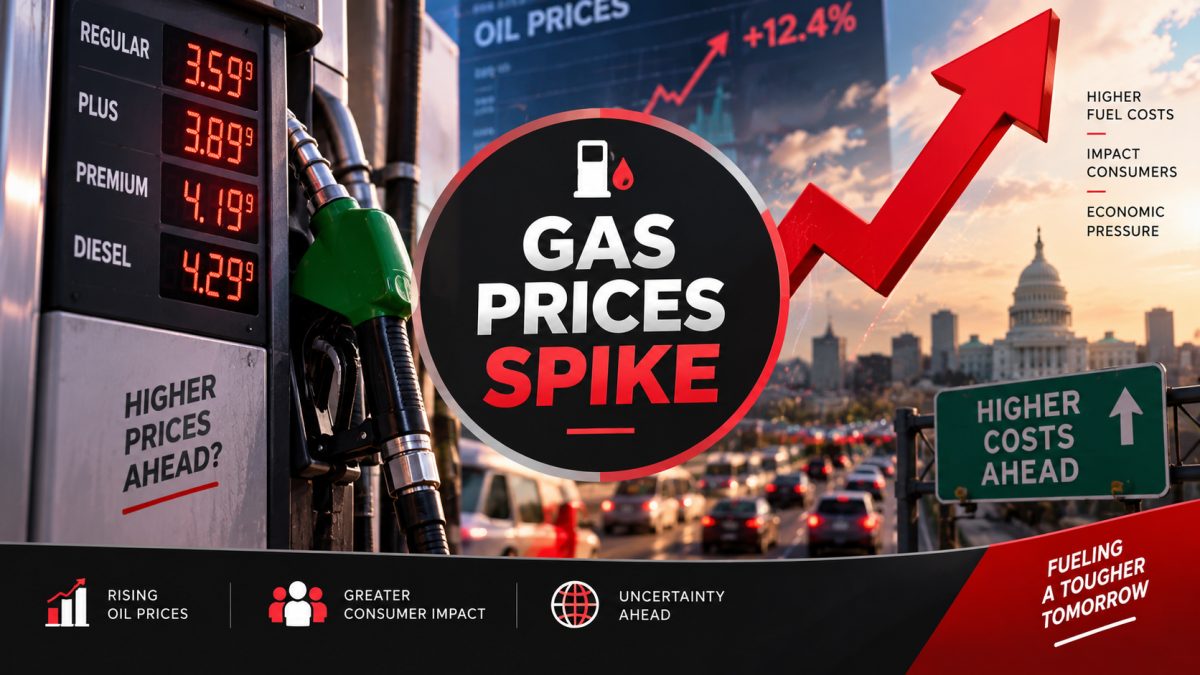
Gasoline and diesel prices across the United States are poised for a steep jump within 48 hours, analysts told The Washington Post in a report published September 16, 2026, with the increases expected to hit hardest in parts of the nation's interior.
Analysts Point to Pipeline Damage and War Disruptions
View this post on Instagram
Tom Kloza, chief energy adviser for Gulf Oil, predicted on X that Wednesday would bring “staggering increases at the pump for both gasoline & diesel.” Patrick De Haan, head of petroleum analysis at GasBuddy, wrote “Buckle up,” warning of a spike over the next 48 hours. The Washington Post reported that analysts who reviewed images of pipeline damage anticipate a “significantly longer disruption” than officials initially suggested, tied to the U.S.-led war involving Iran and continuing conflict in Ukraine.
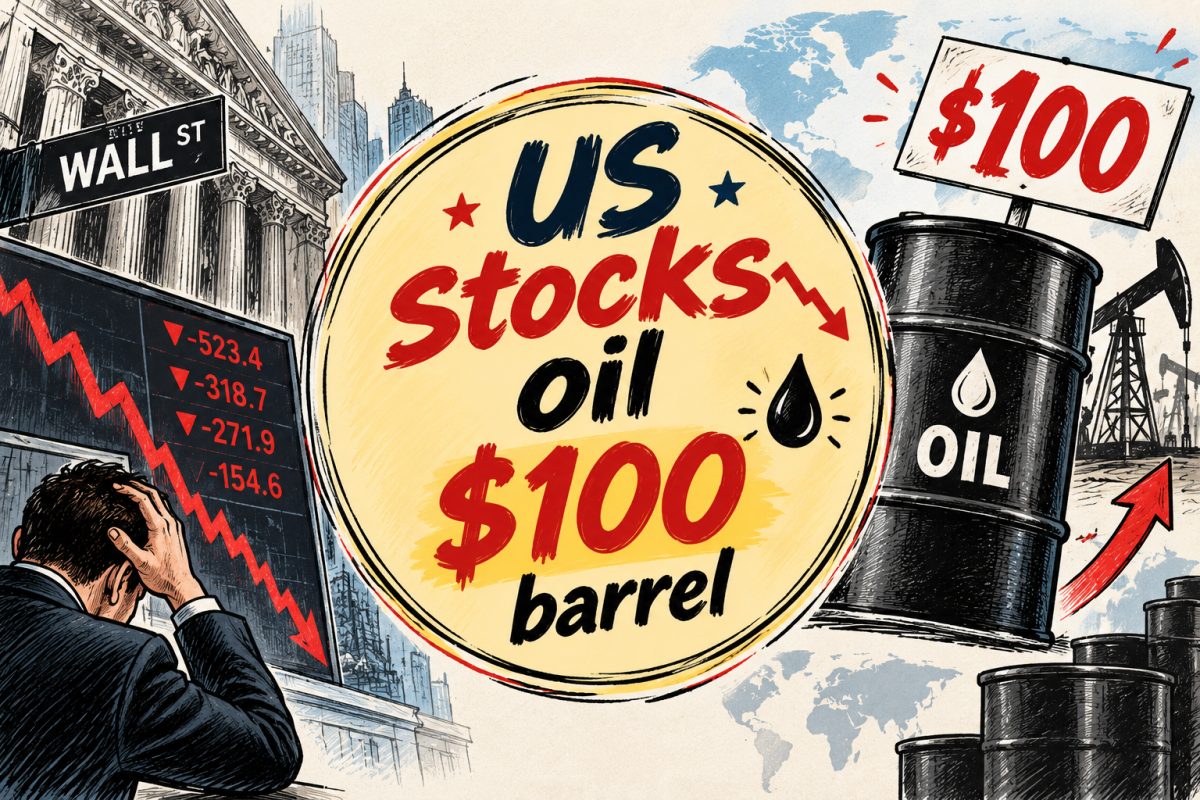
The warnings follow months of tightening supply. Oil surged back above $100 a barrel this month, according to Fortune, with the national average for regular gasoline reaching $4.22 a gallon as of September 9 — up 7 cents overnight and more than a dollar above year-ago levels, per AAA data cited by Fortune. A Washington Post report from June 3 said oil and gas inventories had plunged to historic lows worldwide, and oil executives warned the White House that same month that prices could exceed $5 per gallon as inventories fell to critical levels.
Inflation, the Fed and Election Stakes
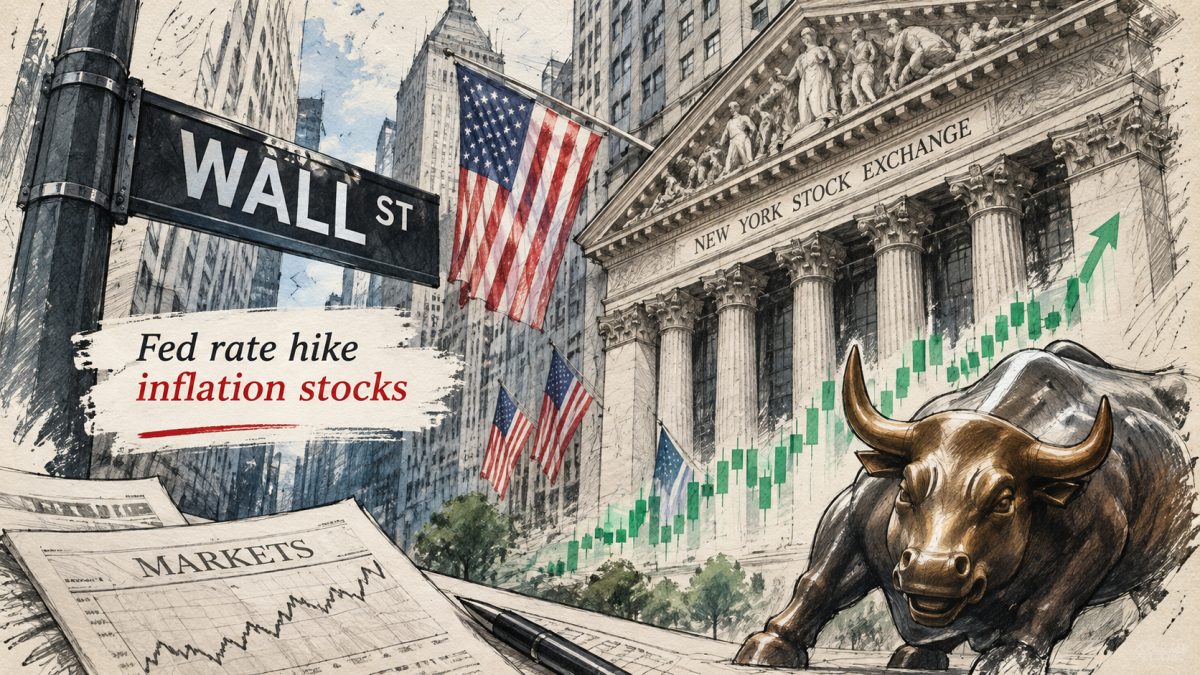
Gas prices rose 3.9% from July to August and are up more than 27% year-over-year, according to a Labor Department report cited by WTOP, feeding inflation that left Wall Street investors seeing an over-80% chance of a Federal Reserve rate increase. Bloomberg reported that commodities strategist Jeff Currie called it “extremely high” that gasoline would hit $5 a gallon before the midterm elections, citing scarcity and currency pressures.
The Washington Post noted that these forecasts of prolonged high prices, extending beyond the November midterms, contrast with the Trump administration's more optimistic messaging. Energy Secretary Chris Wright had previously said prices should ease within weeks rather than months — a timeline now being challenged by analysts citing damaged infrastructure, constrained Middle East shipping routes and dwindling inventories as reasons the current pain may not yet have peaked.