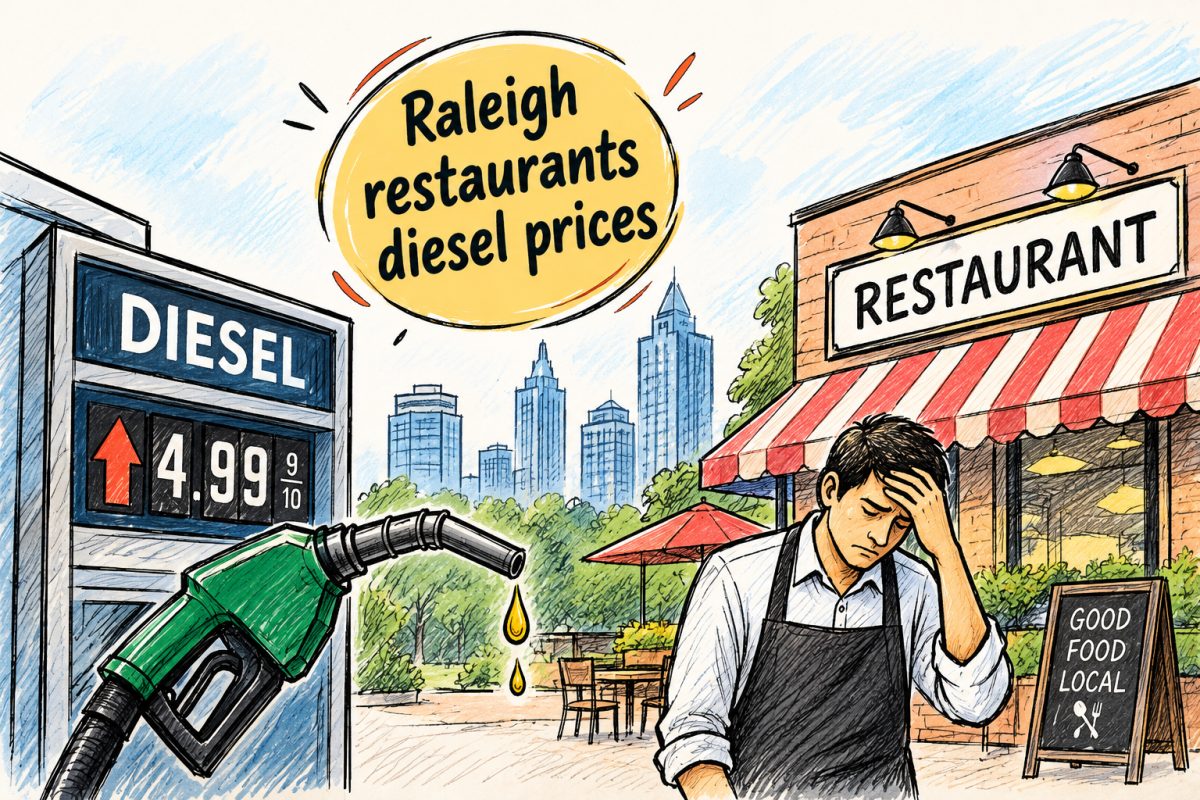

Record-high diesel prices are pushing up transportation and supply costs for Raleigh restaurants, owners say.
Raleigh restaurant owners said this week that record-high diesel prices are driving up the cost of transporting food and supplies into their kitchens, according to a WRAL report published Friday, September 11, 2026. The report ties rising restaurant costs directly to a nationwide diesel price surge that reached an all-time high both in the United States and North Carolina that same day.
Record Diesel Prices and Local Impact
WRAL reported the U.S. average price for diesel stood at roughly $6.05 to $6.06 per gallon on Friday, while North Carolina's average was about $5.90, according to AAA data cited in the report. Raleigh-area diesel prices were around $5.91 per gallon the same day. WRAL noted this marked the first time diesel had crossed $6 a gallon nationally, a threshold the outlet described as historic for fuel markets.
The price spike is not isolated to trucking. WRAL's reporting explained that diesel functions as a foundational cost driver for the broader food supply chain, since trucks that move goods to restaurants, grocers and farmers largely run on diesel fuel. The outlet's companion coverage on Wake County farmers, published the same day, underscored that the fuel surge was being felt across multiple sectors of the regional economy, not just food service.
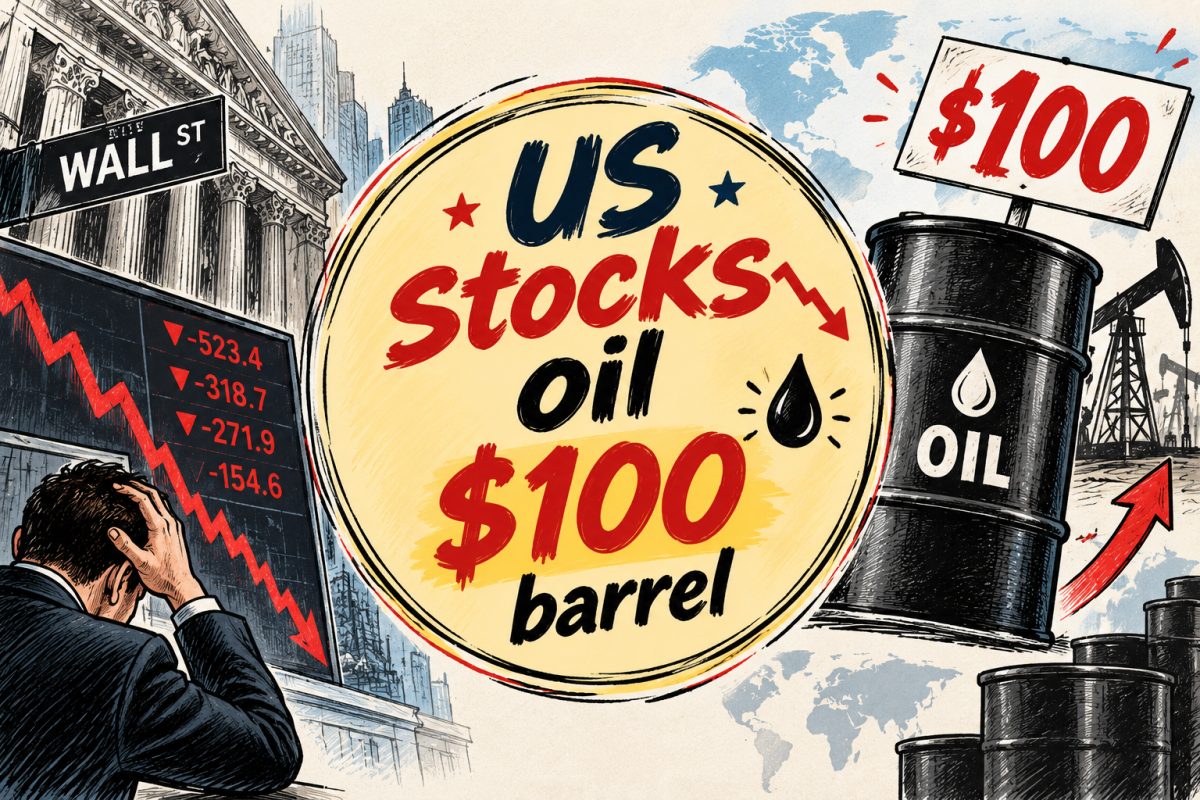
US Stocks End Lower as Oil Surge Lifts Fed Rate-Hike Bets
Restaurant Owners Describe Rising Costs
Max Gaskins, co-owner of Café Luna in Raleigh, told WRAL his family-owned restaurant may be somewhat insulated because it imports goods directly, but he said cost increases become clear once they accumulate and show up in month-end inventory reports. Anthony Rapillo, owner of Flour & Barrel on Harrington and North Streets, told WRAL he has seen a continued rise in the cost of goods and is spending more time monitoring inventory while staying mindful of what customers pay on the menu.
WRAL's related reporting quoted local truck drivers saying they must charge more per load because of fuel costs, expenses that are then passed down through the supply chain to businesses and, ultimately, consumers. GasBuddy analyst Patrick De Haan was consulted by WRAL on the outlook for diesel prices as part of the broader fuel-price coverage published the same day.