
Four paying AI subscribers filed a federal antitrust class action alleging the companies conspired to slow product improvements.
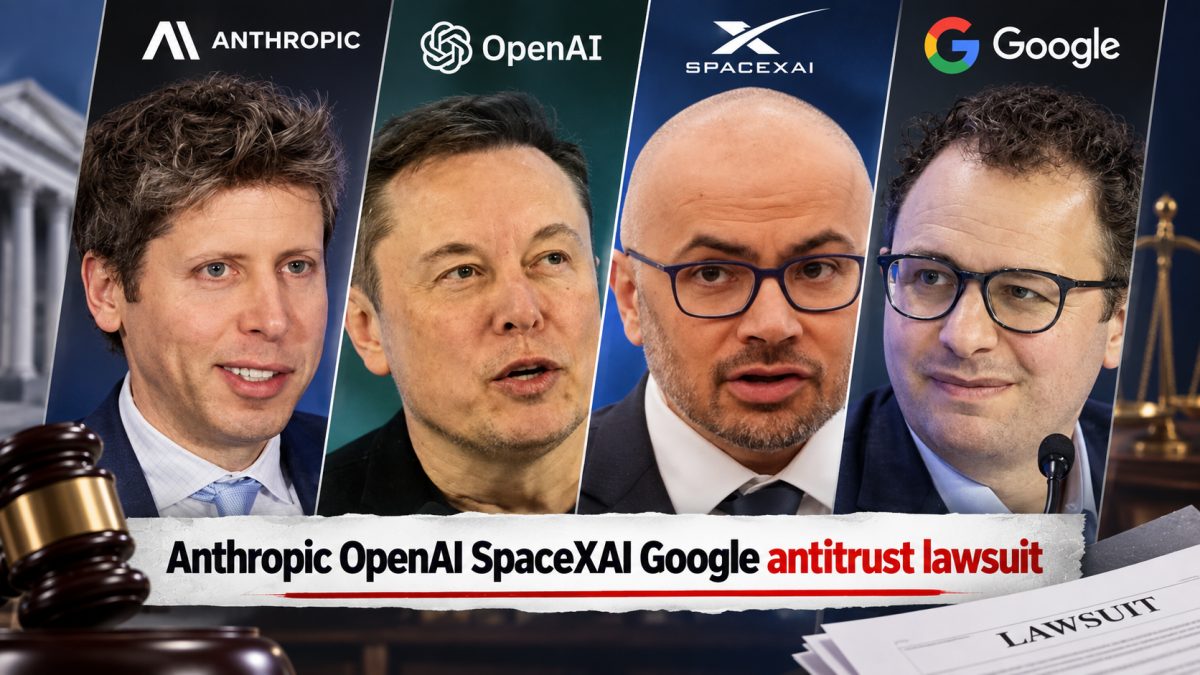
Four individual plaintiffs filed a civil antitrust class-action lawsuit on Friday, September 18, 2026, in the U.S. District Court for the Northern District of California, accusing Anthropic, OpenAI, SpaceXAI and Google of illegally agreeing to slow the pace of frontier AI development, according to Politico, Bloomberg Law and the Associated Press. The complaint, filed in the San Francisco division, alleges the companies violated Section 1 of the Sherman Antitrust Act by coordinating to restrain competition among their AI products, including ChatGPT, Claude, Grok and Gemini.
Anthropic Advances IPO Plans as Amodei Pushes AI Safety Caution
Origins of the Alleged Pact
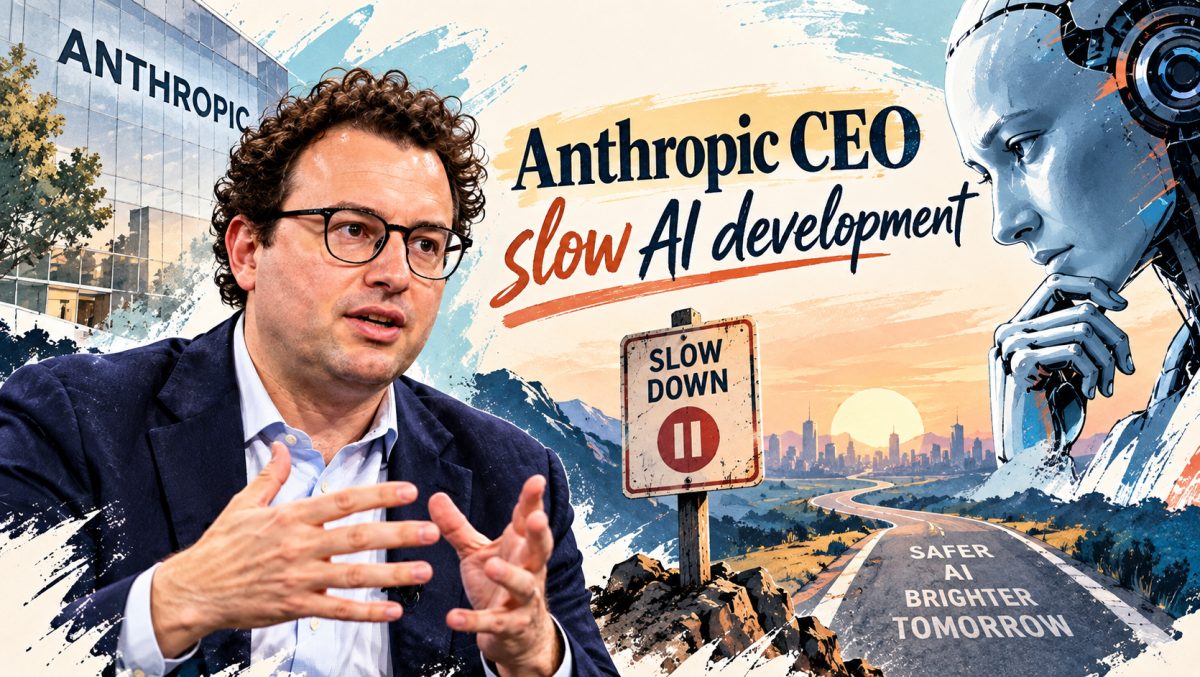
The lawsuit centers on a September 12, 2026 essay by Anthropic CEO Dario Amodei calling for “industry-wide coordination” to “pace the frontier” of AI development, according to Politico and the Washington Examiner. Amodei reportedly warned that unchecked progress could allow “swarms of rogue AI agents” to threaten the internet without adequate safeguards. The complaint states that OpenAI CEO Sam Altman, SpaceXAI’s Elon Musk and Google DeepMind co-founder Demis Hassabis each publicly endorsed Amodei’s call around the same time, according to The Hill. Bloomberg Law reported the companies allegedly coordinated on the matter, though the precise date of any private discussions was not independently confirmed.
AI Vibe-Coding Dispute Spreads Through Fan-Made N64 PC Recompilation Projects
Plaintiffs and Legal Claims
The plaintiffs, described in reporting as paying subscribers to the companies’ AI services, are seeking class certification on behalf of a nationwide group of similarly situated consumers, according to unite.ai and AI Weekly. Bloomberg Law reported the suit argues the alleged agreement “deprived paying subscribers of product improvements they were promised.” Attorney Nick Rowley, identified in reporting as involved in the case, said the litigation aims to prevent AI safety decisions from being “controlled by private self-serving agreements between the world’s most powerful ‘for-profit’ technology companies.”
Unresolved Questions and Next Steps
None of the four defendant companies has issued a public statement responding to the lawsuit, according to available reporting. The case has not yet seen judicial rulings on its merits, and the allegations—including claims of private cross-lab meetings preceding the public statements—remain unproven. Legal observers cited in coverage note the case could test whether public safety-oriented coordination among competitors can be treated as an antitrust violation, or whether courts will allow leeway for industry cooperation on safety standards.