
New law hands Trump discretionary tariff authority against Russia's biggest oil customers, but no duties have been imposed yet.
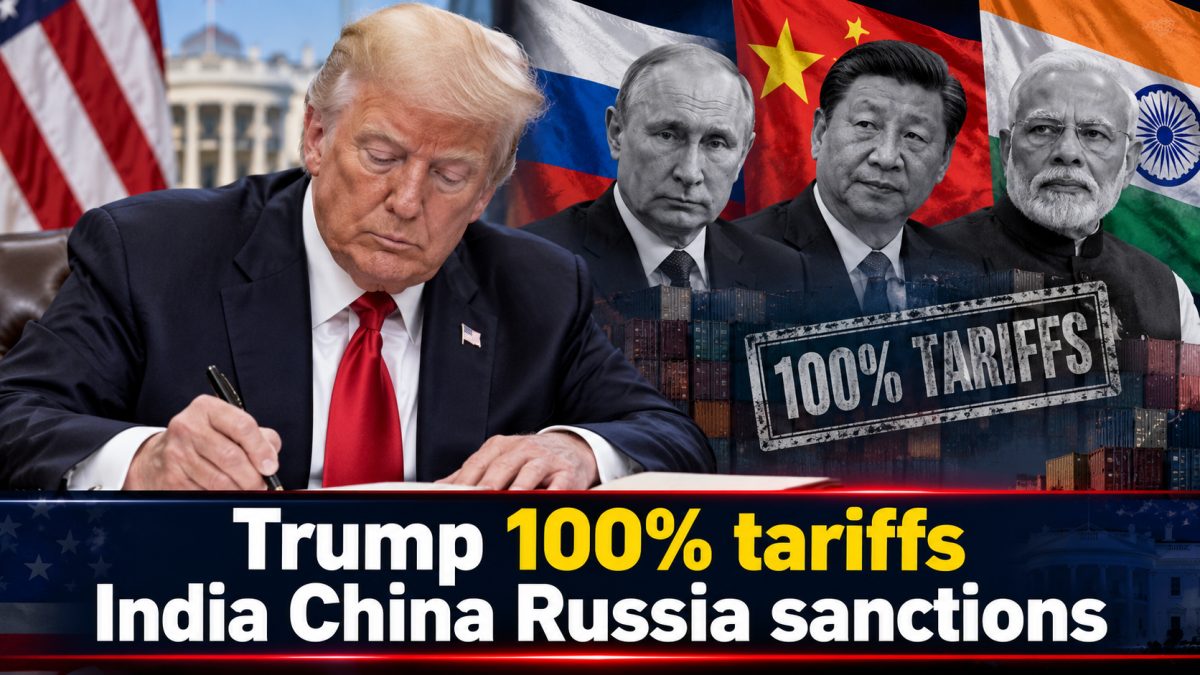
President Donald Trump signed H.R. 5334, the "Lindsey O. Graham Sanctioning Russia and Iran Act of 2026," into law on Friday, September 18, 2026, in Washington, D.C., according to a White House statement. The legislation expands U.S. sanctions on Russia's energy sector and extends existing measures against Iran, while granting Trump explicit authority to impose tariffs of up to 100% on the five largest purchasers of Russian oil and gas, including India and China.
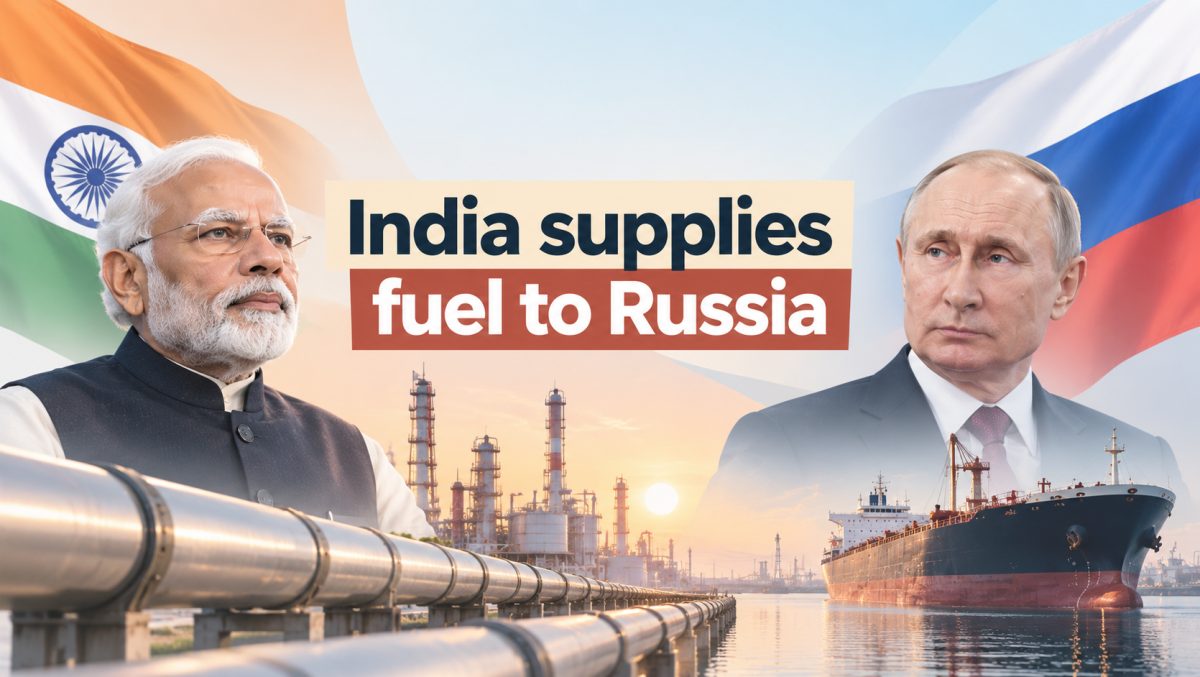
India Supplied 70% of Russia's Record Fuel Imports in August 2026
Path Through Congress and Signing
View this post on Instagram
The Senate approved the bill 86–11 on August 7, 2026, followed by House passage on September 16 by a 262–159 margin, according to congressional records cited by multiple outlets. The bill is named for the late Senator Lindsey Graham, who died in July 2026 and was one of its chief architects. The White House said the act "authorizes and expands statutory sanctions, tariffs, and prohibitions on Russia and extends existing sanctions on Iran," targeting Russian officials, banks, and the so-called shadow fleet used to evade existing restrictions, per the signing statement.
The tariff authority applies to countries ranking among the top five buyers of Russian petroleum or gas, or that continue purchasing Russian crude 30 days after enactment, according to the bill's text. Congressional aides told Reuters the top five crude purchasers are China, India, Slovakia, Hungary and Azerbaijan, while top gas importers include China, France, Japan, Hungary and Belgium. The law does not automatically impose tariffs; the decision on timing and rate rests solely with the president, the Hindustan Times reported.
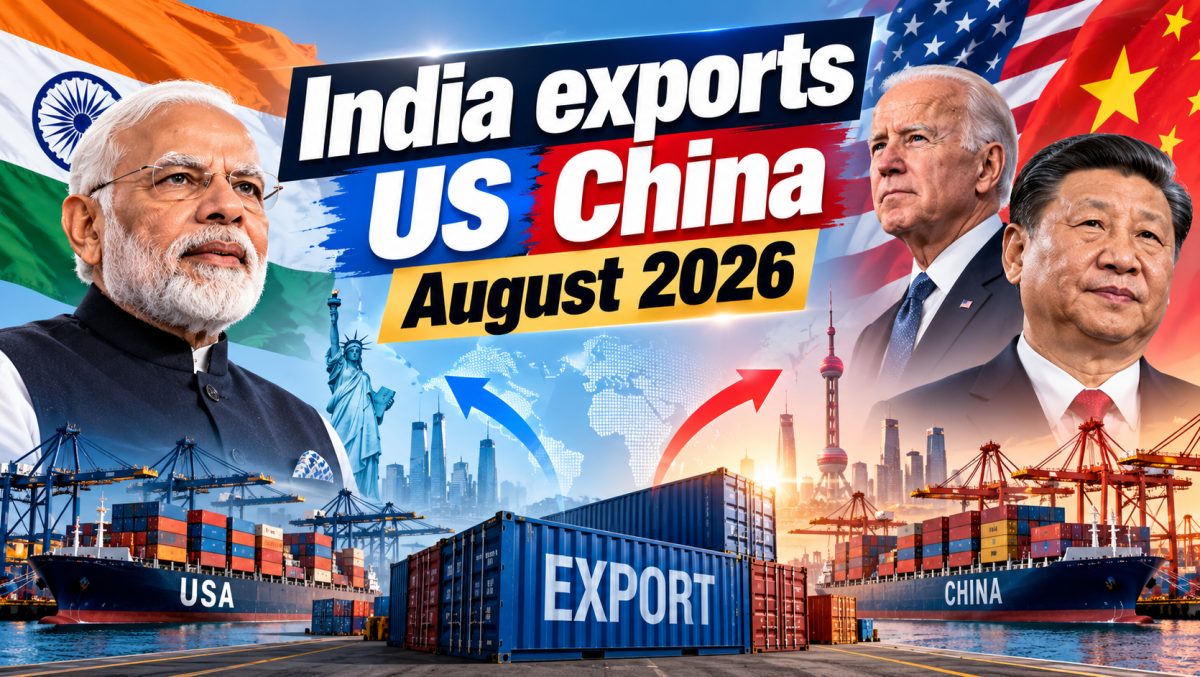
India's Exports to US and China Surge Sharply in August 2026
Reactions From India, China and Russia
India's Ministry of External Affairs said the country would take "all necessary steps to protect its trade and economic interests," and separately stated it would continue buying oil from "diversified" suppliers, according to the Taipei Times. India imported $40.8 billion worth of Russian crude in fiscal year 2026, representing 30.3% of its total crude imports, the Economic Times reported. China's Foreign Ministry said it "consistently opposes long-arm jurisdiction that lacks a basis in international law," per Livemint. Kremlin spokesman Dmitry Peskov called the sanctions "unfriendly actions" that could complicate Ukraine peace efforts, according to reporting cited by the Times of India. CNN reported some Republicans privately worried the tariff authority gives Trump excessive power over global markets.